
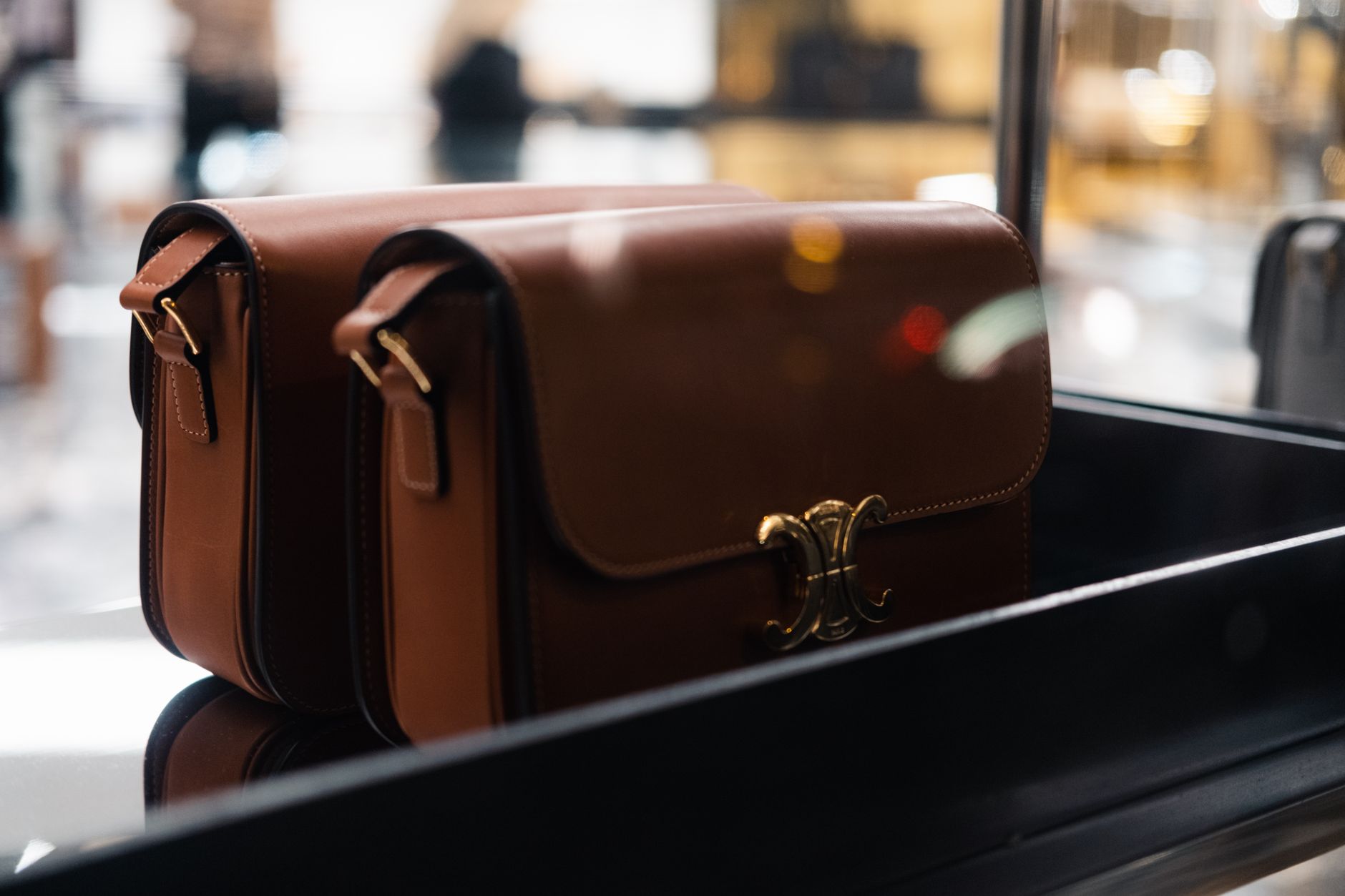
Louis Vuitton is a name synonymous with luxury, but that prestige comes with a hefty price tag. Understanding why Louis Vuitton items are so expensive requires exploring factors such as craftsmanship, heritage, materials, and brand positioning. Let’s delve into these aspects to help you comprehend the cost of these iconic pieces.
Louis Vuitton has transformed from a simple trunk maker into a global fashion powerhouse over its more than 150 years of history. This evolution in the luxury market has established a brand reputation that justifies its premium pricing. But what exactly contributes to the costs of these sought-after items?
Why Is Louis Vuitton So Expensive?
The expense of Louis Vuitton products stems from several interconnected factors: quality, labor, materials, branding, and exclusivity. Each piece is more than just an accessory; it represents a commitment to tradition and excellence.
1. Quality Craftsmanship
- Expert Artisanship: Each Louis Vuitton item is meticulously crafted by skilled artisans. Many artisans spend years honing their craft, ensuring that every stitch, seam, and detail meets the highest standards.
- Durable Construction: The brand uses traditional techniques combined with modern innovation. This careful construction process results in products that are not only beautiful but also built to last, often improving with age.
2. High-Quality Materials
- Premium Leather: Louis Vuitton sources some of the finest leather available globally. The animal hides used in their products undergo rigorous selection and treatment processes, which drive up costs.
- Exotic Materials: Certain limited-edition pieces incorporate exotic leathers like python or ostrich, which are significantly more expensive than standard leather.
- Innovative Fabrics: The brand is known for developing high-performance fabrics, such as their signature coated canvas, which enhances durability while maintaining a lightweight feel.
3. Design Heritage
- Timeless Designs: Louis Vuitton is renowned for iconic designs that have stood the test of time. Pieces like the Speedy bag or Neverfull tote are not merely trendy; they are classic styles that maintain high resale value.
- Signature Patterns: The instantly recognizable Monogram and Damier patterns are synonymous with luxury. The exclusive rights to these designs contribute to the product’s value.
4. Brand Reputation
- Luxury Branding: The image of Louis Vuitton as a luxury brand is carefully curated. High-profile collaborations and celebrity endorsements keep the brand in the public eye, reinforcing its desirability.
- Strategic Marketing: Louis Vuitton employs selective marketing, often not discounting items, further sustaining a luxury perception associated with exclusivity and status.
5. Exclusivity and Limited Releases
- Limited-Edition Collections: Louis Vuitton frequently releases limited-edition collections that create a sense of urgency among consumers. The scarcity of items increases their allure and price.
- Customization Options: Some products can be personalized, which contributes to their unique value and drive up costs, as customization often involves extra labor.
6. Heritage and History
- Rich Legacy: Founded in 1854, Louis Vuitton has a long-standing legacy in luxury fashion. Consumers are willing to pay more for products that carry a story of historical significance.
- Artistic Collaborations: The brand frequently collaborates with renowned artists and fashion designers, creating pieces that are not just accessories but collectible art.
Understanding Louis Vuitton Pricing
Generally, Louis Vuitton products are priced in the higher range for luxury goods, but variance exists based on style, material, and exclusivity. Here are some examples of costs associated with popular Louis Vuitton items:
- Bags: Prices generally range from $1,200 for smaller styles to over $6,000 for limited editions or more elaborate pieces.
- Wallets: These typically start around $500 and can go up to $1,500 or more, depending on the design and materials used.
- Clothing and Accessories: Expect to pay anything from $300 for a simple T-shirt to several thousand dollars for tailored jackets or silk scarves featuring unique designs.
Buying Guide for Louis Vuitton Products
If you’re considering investing in a Louis Vuitton item, being informed can enhance your purchasing experience. Here are some tips to keep in mind:
1. Do Your Research
Before making any purchase, research the specific item you are interested in. Understand the characteristics that make it authentic—check for features like stitching patterns, hardware quality, and the overall design that is distinct to Louis Vuitton.
2. Purchase from Authorized Retailers
To ensure authenticity, always buy from official Louis Vuitton boutiques or their website. Avoid purchasing from unauthorized vendors or secondhand sites unless you can verify authenticity.
3. Explore the Pre-Owned Market
If you’re looking for better prices, consider the pre-owned market. Websites that specialize in luxury resale often carry authenticated Louis Vuitton items. Still, thorough research is needed to ensure you’re receiving a genuine piece.
4. Know the Right Size
Louis Vuitton bags and accessories come in several sizes and styles. When shopping, try the product in-store if possible or consult size charts online. A well-fitting item enhances both comfort and style.
5. Consider Your Style
Choose pieces that align with your personal style and wardrobe. Louis Vuitton items are versatile but aim for something that you can see yourself using regularly, ensuring longevity in your investment.
6. Think About Care and Maintenance
Proper care enhances the longevity of your Louis Vuitton items. Invest time in understanding fabric care and maintenance practices. Many leather items can benefit from occasional professional conditioning and cleaning.
Fashion History and Cultural Significance
Louis Vuitton’s journey is steeped in history, having begun with the Louis Vuitton Malletier, who specialized in producing flat-topped trunks in 1854. This clever design allowed for better storage efficiency compared to traditional rounded-top trunks.
Through the decades, Louis Vuitton captured the hearts of travelers and fashion enthusiasts alike. The brand gained momentum, especially in the early 1900s, as travel became a more prominent aspect of life, with products designed for elite customers.
The introduction of the iconic LV Monogram in the late 19th century revolutionized branding in the luxury market. Over time, the brand has seamlessly navigated trends, consistently maintaining its prestige and appeal.
Key Historical Moments
- Innovative Product Design: Louis Vuitton was a pioneer in crafting lightweight and waterproof bags, appealing to modern travelers.
- Artistic Collaborations: The brand has successfully collaborated with artists like Takashi Murakami and Yayoi Kusama, creating unique art pieces that resonate with a diverse audience.
- Shift to Ready-to-Wear: In the late 20th century, Louis Vuitton made a significant push into ready-to-wear clothing, solidifying its position in the fashion industry.
Complementing Your Collection
When investing in Louis Vuitton, consider how the pieces you choose will work with your overall wardrobe. Here are some tips:
1. Color Coordination
Louis Vuitton products are generally designed in neutral palettes such as browns, blacks, and whites, making them versatile additions to any wardrobe. Select items that can combine well with various outfits, from casual to formal.
2. Layering and Outfit Ideas
Incorporating Louis Vuitton bags or accessories into your outfits can be seamless. Here are a few outfit ideas:
- Causal Day Out: Pair a classic Louis Vuitton Neverfull tote with a white T-shirt, denim jeans, and neutral ankle boots for a chic yet practical look.
- Work Ensemble: Combine a structured Louis Vuitton handbag with a tailored blazer, fitted trousers, and pointed-toe pumps for a polished professional appearance.
- Weekend Getaway: Use a spacious LV duffle bag with joggers, a oversized knit sweater, and stylish sneakers for a trendy yet comfy travel outfit.
3. Accessories and Footwear
Complement your Louis Vuitton bags with accessories from the brand or coordinate with neutral or similar-toned pieces from your existing wardrobe. For instance, a Louis Vuitton scarf adds elegance to both casual and formal looks.
Garment Care Tips for Louis Vuitton Products
Proper care is essential for maintaining the integrity of Louis Vuitton items. Here are some garment care tips:
1. Leather Care
- Use a soft, dry cloth to wipe away dirt after each use.
- Store leather items away from direct sunlight to prevent discoloration.
- Apply leather conditioner periodically to maintain suppleness.
2. Fabric Care
- Follow the care instructions on the label for proper cleaning methods.
- Consider professional cleaning for delicate pieces.
- Avoid exposing your items to abrasive surfaces to prevent scratches.
3. Storage Solutions
Store items in dust bags provided by Louis Vuitton. Organize in a cool, dry place to preserve their shape and integrity.
Conclusion
Louis Vuitton’s pricing reflects not only the quality of materials and craftsmanship but also the brand’s rich heritage and cultural significance in the fashion world. By understanding what makes Louis Vuitton expensive, consumers are equipped to make informed purchases that integrate seamlessly into their wardrobes.
Explore further into this elegant brand through our articles on how much a Louis Vuitton bag costs and discover where Louis Vuitton bags are made.