
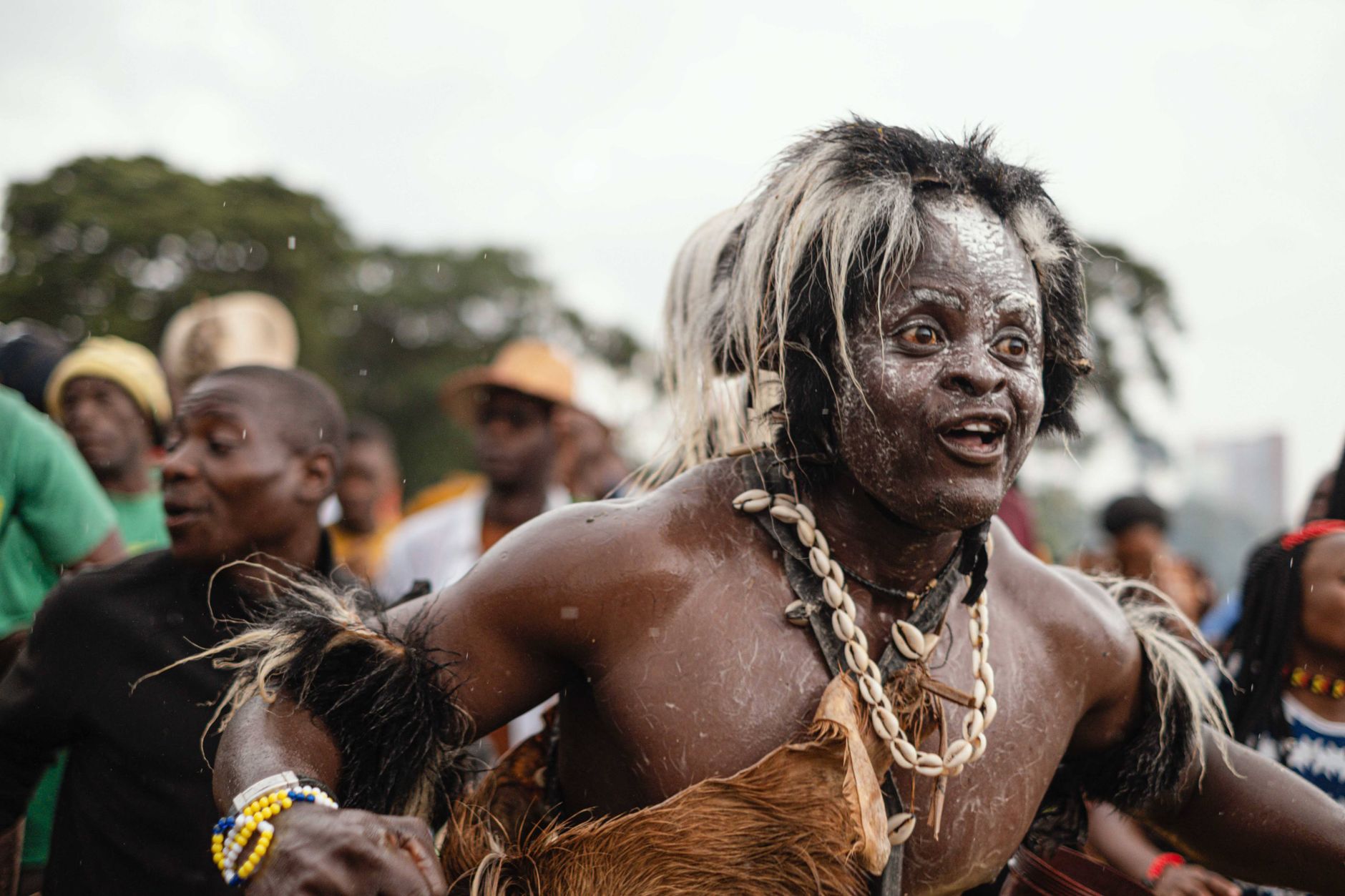
Uganda has emerged as a vibrant hub of fashion, characterized by its rich cultural heritage and diverse influences. The thought of “Why Fashion Uganda” brings to mind the unique blends of traditional and contemporary styles, the stunning fabrics, and the growing fashion industry that is capturing attention both locally and globally. In this article, we will explore the origins, evolution, and distinctive styles that set Ugandan fashion apart.
From traditional attires to modern streetwear, Ugandan fashion offers an array of styles suitable for various occasions. Understanding the essence of fashion in Uganda will not only enhance your wardrobe but also give you insights into how to express your personal style through clothing, accessories, and more.
What Is Fashion Uganda?
Fashion Uganda represents the dynamic and constantly evolving fashion landscape of Uganda. It is an intersection of cultural tradition, creativity, and individual expression that encompasses a range of styles, from everyday wear to high fashion.
Owing to its rich history and cultural diversity, Ugandan fashion showcases an extensive palette of designs, colors, and fabrics. Many designers are using traditional materials such as bark cloth and cotton to create modern silhouettes while paying homage to their roots. As a result, Ugandan fashion tells a story that connects the past and the present.
Origins of Ugandan Fashion
Understanding why fashion matters in Uganda requires a look at its origins. Traditionally, Ugandan clothing consisted of garments made from locally sourced materials. The most notable traditional attire includes:
- Gomesi: A formal dress often worn by women, characterized by its vibrant colors and intricate designs.
- Buganda Attire: A style embracing the rich history of the Buganda Kingdom, often seen in ceremonial occasions.
- Kapala: A cultural outfit traditionally worn by men, showcasing their heritage and identity.
In the past, clothing was not merely an expression of style; it conveyed social status, community identity, and cultural heritage. The introduction of Western influences during colonial times created a fusion effect, leading to the incorporation of foreign styles with local fashion sensibilities.
Contemporary Ugandan Fashion
Today, Ugandan fashion reflects a blend of the traditional and the contemporary, resulting in fresh interpretations that appeal to a wider audience. Designers like Sylvia Owori, Akothee, and David Tlale are among those who have gained recognition for elevating Ugandan fashion on both national and international platforms.
The growth of local fashion weeks and design festivals has fueled this movement, giving local designers a stage to showcase their creativity. Events like Kampala Fashion Week have become pivotal in encouraging fashion discourse and nurturing emerging talent.
Key Elements of Ugandan Style
What makes Ugandan fashion unique? A few key elements contribute to its distinctive style:
Fabrics
Ugandan fashion relies heavily on locally sourced fabrics. The choice of material plays a crucial role in defining the style:
- Bark Cloth: Touted as one of the oldest fabrics in the world, it is made from the inner bark of the mutuba tree, offering a historical narrative in modern fashion.
- Cotton: Soft, breathable, and widely used, cotton garments are versatile and suitable for the tropical climate of Uganda.
- Ankara: A bright and bold printed fabric that has become a staple in African fashion globally.
Color Palette
The vibrancy of Ugandan culture reflects in its fashion palettes as well. Expect to see:
- Bold Colors: Rich reds, deep greens, and vibrant yellows often symbolize Uganda’s lively spirit.
- Earthy Tones: Reflective of the natural beauty of the Ugandan landscape, these colors foster simplicity and elegance.
Patterns and Techniques
Patterns in Ugandan fashion often tell stories and convey messages, borrowing elements from traditional crafts:
- Indigenous Motifs: These designs reflect cultural histories and signify various societal themes.
- Handmade Techniques: Many garments involve intricate embroidery and beadwork, enhancing the garment’s visual appeal.
Outfit Ideas for Different Occasions
Ugandan fashion offers a variety of outfit options for various events, allowing you to express your unique style while remaining culturally sensitive. Here are a few outfit ideas for different occasions:
Workwear
Work attire should balance professionalism with comfort. Here are some ideas:
- Pair a tailored blazer with a simple cotton blouse and high-waisted trousers. Complete the look with loafers and subtle accessories.
- A knee-length wrap dress in a batik print provides a polished yet stylish appearance, easily suited for presentations or meetings.
Casualwear
For a relaxed weekend look, consider the following combinations:
- A lightweight cotton maxi dress paired with sandals for comfort, perfect for brunch or shopping trips.
- Denim shorts with a colorful Ankara print top, elevating casual to chic while allowing ease of movement.
Formal Events
Formal occasions call for a touch of sophistication. Try one of these outfits:
- A floor-length gomesi in vibrant colors, accessorized with statement jewelry for an elegant look at weddings or galas.
- A tailored suit in a dark hue, complemented by an eye-catching tie or scarf to add a personal touch.
Occasion Dressing
Weddings and ceremonies often require traditional attire. Consider these:
- The groomsmen could sport tailored trousers with vibrant print shirts and complementing blazers for a stylish yet cohesive look.
Layering and Seasonal Dressing
Uganda’s climate can fluctuate, so understanding how to layer and dress for the season is essential. Here are tips for effective layering:
- Use lightweight fabrics for base layers, such as cotton or linen, which are breathable and comfortable.
- In cooler evenings, apply a light cardigan or shawl over your outfit, providing warmth without bulk.
- For a rainy season, incorporate a stylish raincoat with a matching umbrella to maintain your fashion standards.
Focusing on Fabrics and Garment Care
Choosing the right fabric can enhance your outfit’s longevity and style. Here are suggestions on fabrics commonly used in Ugandan fashion:
- For breathability, opt for natural fibers like cotton, which allows airflow and absorbs moisture.
- When selecting a garment, consider the amount of stretch and draping ability, which contributes to the overall fit and movement.
Caring for your garments properly extends their life. Here are some tips:
- Follow care labels: Always check washing instructions to maintain the material’s integrity.
- Machine wash delicate fabrics on a gentle cycle or hand wash, if recommended.
- For stubborn stains, test a small inconspicuous area before applying any cleaning solution.
Accessories and Footwear
Accessories can elevate any outfit and make a statement. Incorporate these styles into your Ugandan-inspired outfits:
Footwear
Footwear options can vary significantly based on occasion:
- Casual settings call for stylish sandals or comfortable espadrilles to allow easy movement.
- For work or formal events, opt for elegant heels or polished loafers that complement your outfit.
Accessories
Complete your looks with carefully selected accessories:
- Beaded necklaces or earrings can add a touch of tradition while being fashionable.
- A structured handbag in a bold color can act as a statement piece, enhancing even the simplest outfit.
Gender-Inclusive Style in Uganda
Ugandan fashion is progressively catering to diverse gender expressions, allowing individuals to personalize their looks. Unisex styles have gained popularity, creating an inclusive environment where everyone can express themselves.
- Loose-fitting trousers with neutral-toned shirts promote comfortable, gender-neutral clothing.
- Layering oversized jackets over fitted garments allows everyone to play with proportions and styles.
Tips for Expressing Personal Style
Ultimately, fashion should be an expression of personal identity. To cultivate your unique style, consider the following:
- Experiment with mixing prints and colors, creating unique combinations that express your personality.
- Wear accessories that reflect your interests and can serve as conversation starters.
The Future of Fashion in Uganda
As the global focus on sustainability and ethical fashion increases, Ugandan designers are stepping up, finding ways to innovate while remaining rooted in cultural traditions. The future of fashion in Uganda appears promising, where creativity will thrive alongside the recognition of local craftsmanship.
With an ever-evolving landscape, the Ugandan fashion industry showcases a unique story, linking its vibrant history with contemporary styles. Whether you are dressing for casual outings, professional settings, or special occasions, Ugandan fashion offers a diverse palette that encourages individual expression and creativity.
By understanding the facets of Ugandan fashion, you can curate a wardrobe that speaks not only to style but also to cultural appreciation and heritage. Try your hand at mixing traditional and modern elements for an authentic Ugandan outfit that represents who you are.
Fashion is about choice and expression, and in Uganda, you will discover a rapidly evolving scene that welcomes innovation and creativity. Explore related outfit ideas, styling tips, or fashion guides to help you on your journey towards personal style!
Check out our guide on how to style linen pants or discover valuable tips in how to wear a pashmina.