
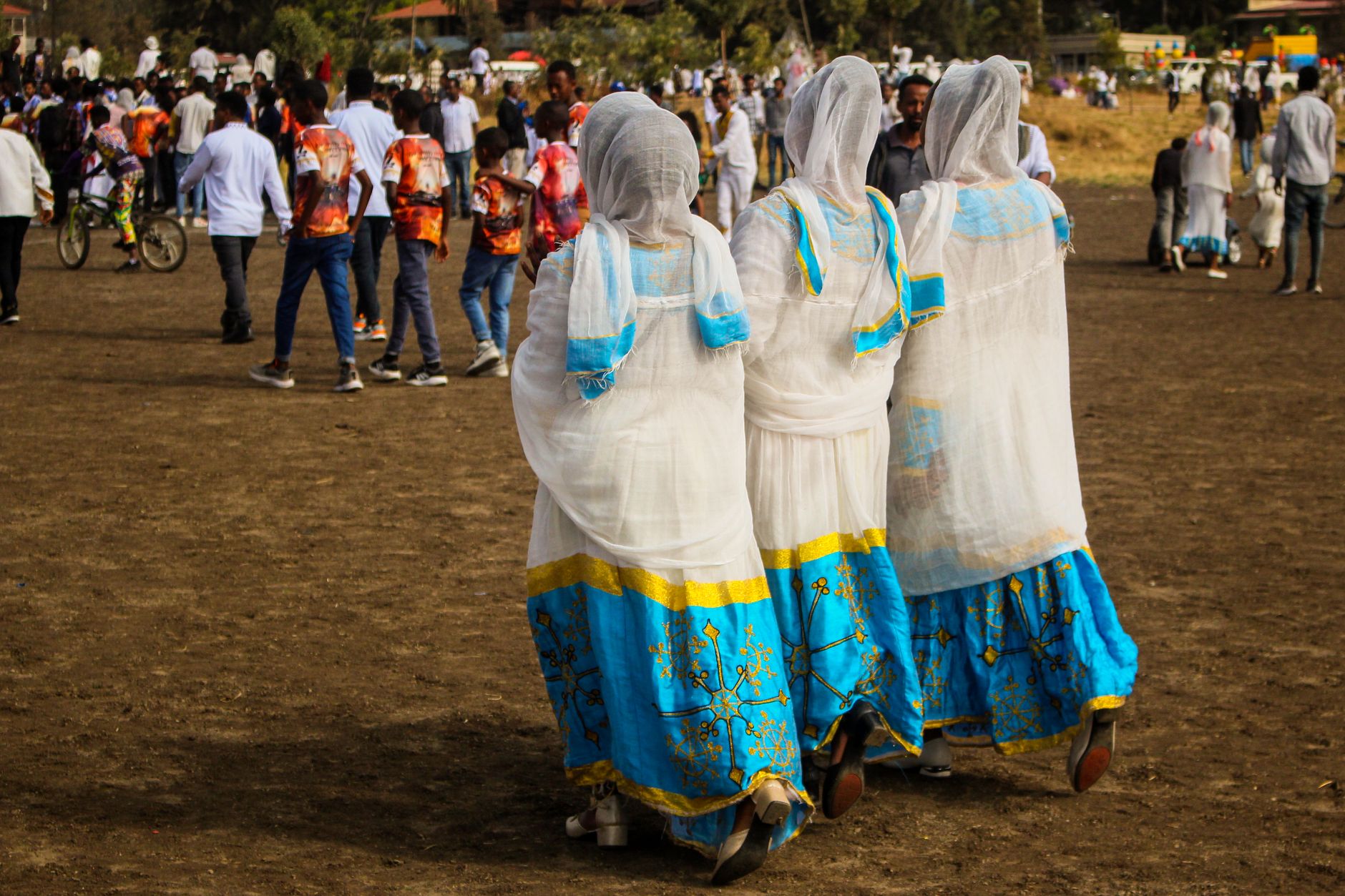
The vibrant world of fashion is constantly evolving, influenced by history, culture, and individual expression. Ethiopia, known for its rich cultural heritage and stunning landscapes, is emerging as a significant player in the global fashion scene. Understanding the unique aspects of Ethiopian fashion reveals a wealth of styles, fabrics, and inspirations that cater to diverse audiences and personal styles.
This exploration offers insights into the reasons behind Ethiopia’s burgeoning fashion industry, its origins, and how it presents a style that is both traditional and contemporary. Whether you are looking for outfit ideas, insights into sustainable fashion practices, or ways to incorporate Ethiopian elements into your wardrobe, this guide will provide you with valuable takeaways.
Why Fashion Ethiopia?
Fashion Ethiopia is important due to its unique blend of rich cultural history, diverse styles, and its growing influence in the global fashion market. The country’s fashion scene highlights traditional textiles, craftsmanship, and an increasing embrace of modern trends, allowing for a dynamic range of clothing and accessories that reflect both heritage and innovation.
The Origins of Ethiopian Fashion
The origins of Ethiopian fashion can be traced back to its deep-rooted cultural practices and the use of traditional textiles. Textiles like “habesha kemis,” often made from cotton or silk, feature intricate designs and embroidery that tell stories and signify social status. This trend has influenced the contemporary Ethiopian fashion scene, where traditional garments are being reimagined and adapted for modern wear.
Abundant in colors and patterns, Ethiopian fabrics are often made using traditional weaving methods that combine artistic expression with practicality. The focus on artisanal craftsmanship continues to inspire new designs that pay homage to past traditions while appealing to the modern consumer.
Identifying Key Ethiopian Styles
Ethiopian fashion features an eclectic mix of traditional and modern styles. Here are some key styles to explore:
- Traditional Attire: Habesha kemis is often worn by women during cultural festivities, with its flowing silhouette and detailed embroidery.
- Contemporary Designs: Modern Ethiopian designers are creating collections that mix traditional elements with contemporary trends, using innovative silhouettes and fabrics.
- Streetwear: The rise of urban fashion in Ethiopia showcases a blend of local artistry and global trends, appealing to the youth demographic.
- Gender-Inclusive Fashion: Many Ethiopian designers focus on inclusivity, offering styles that transcend gender norms while incorporating traditional elements.
Outfit Ideas Inspired by Ethiopian Fashion
Creating a vibrant outfit inspired by Ethiopian fashion is all about mixing traditional elements with contemporary wardrobe staples. Here are some outfit ideas to help you incorporate Ethiopian influences into your style:
1. Casual Chic
Pair an embroidered habesha kemis with a fitted denim jacket and ankle boots. This combination offers a casual yet stylish look, perfect for a brunch date or a day out.
2. Elegant Evening Wear
A flowing habesha kemis can be dressed up with statement accessories such as bold earrings and strappy heels. This outfit is suitable for formal gatherings or cultural events where elegance is key.
3. Weekend Vibes
Mix a simple cotton top with tailored trousers and finish off the outfit with traditional Ethiopian handwoven sandals. This look balances comfort and style, making it ideal for relaxed weekend outings.
4. Workwear Inspired by Ethiopia
Create a professional look by layering an Ethiopian-inspired blazer over a neutral blouse and tailored trousers. Adding a sleek pair of loafers rounds out this polished outfit for the office.
5. Gender-Inclusive Style
Consider an oversized habesha shirt paired with slim-fit jeans and sneakers for a relaxed, gender-neutral outfit. Accessorizing with a unisex cap and minimal jewelry adds a modern touch.
Building Your Ethiopian-Inspired Wardrobe
To incorporate Ethiopian fashion into your wardrobe, consider the following essentials:
- Traditional Textiles: Invest in key pieces made from traditional Ethiopian fabrics, such as cotton and silk, to create a foundation for your outfits.
- Statement Accessories: Accessories that showcase Ethiopian craftsmanship, like handmade jewelry or woven bags, can elevate any outfit.
- Layering Options: Use lightweight layers to transition between seasons while maintaining style; consider shawls or wraps that feature Ethiopian prints.
- Footwear: Traditional sandals or contemporary shoes that incorporate traditional design elements can complete your look.
Understanding Fit and Proportion
When adopting Ethiopian-inspired styles, focus on fit, proportion, and silhouette. Here are some tips:
- Understand Your Body Type: Choose silhouettes that complement your shape. For instance, tailored pieces can be more flattering for structured looks, while flowing fabrics suit more relaxed styles.
- Layer Thoughtfully: Balance structured garments with relaxed pieces for an appealing silhouette. For example, pair a fitted top with a long, flowing skirt.
- Embrace Color: Ethiopian fashion is known for its vibrant colors. Incorporate bold hues or subtle patterns based on your personal style, while being mindful of color coordination.
Fabrics Commonly Used in Ethiopian Fashion
Understanding the fabrics commonly used in Ethiopian fashion is crucial for selecting the right pieces. Here are some notable textiles:
- Cotton: A breathable fabric widely used in traditional attire, cotton is comfortable for various climates.
- Silk: Offers a luxurious feel, often used in more formal garments with beautiful drape and sheen.
- Handwoven Textiles: Unique to Ethiopian culture, these fabrics feature intricate patterns and are often crafted by local artisans.
- Blend Fabrics: Many modern Ethiopian designers blend traditional materials with contemporary fabrics for versatile styles.
Caring for Your Ethiopian Garments
Proper care is essential for maintaining the quality and longevity of your Ethiopian garments. Here are some care tips:
- Read Care Labels: Always follow the specific washing instructions on garment care labels to avoid damage.
- Gentle Washing: Wash by hand or on a delicate cycle in cold water to preserve colors and fabrics.
- Avoid Harsh Chemicals: Use mild detergents to prevent fabric wear and fading.
- Air Dry: Avoid tumble drying; instead, hang your clothes or lay them flat to dry out of direct sunlight.
Ethiopia’s Influence on Global Fashion
Ethiopian designers are gaining attention on the international stage, showcasing their work in fashion weeks and global exhibitions. By highlighting local craftsmanship and sustainable practices, they are helping to reshape the narrative around fashion production.
The integration of Ethiopian influences in global trends is evident, with the blending of traditional elements in high fashion, streetwear, and eco-conscious designs. Many designers prioritize ethical sourcing and community engagement, making a positive impact both locally and abroad.
Embracing Modest Fashion
Ethiopian fashion embodies modesty, often featuring covered silhouettes that cater to diverse preferences. To embrace modest fashion in your wardrobe, consider:
- Long Dresses: Opt for long, flowing dresses that showcase intricate designs while providing comfort and coverage.
- Layered Outfits: Use layering to create stylish ensembles that allow for personal expression without compromising on modesty.
- Structured Outerwear: Choose fitted blazers or vests that can elevate an outfit while maintaining a modest look.
Accessorizing Ethiopian Fashion
Accessories play a vital role in completing Ethiopian-inspired outfits. Consider the following:
- Jewelry: Layered necklaces or statement earrings made from local materials can add a unique touch.
- Handbags: Woven bags that incorporate traditional craftsmanship can enhance your outfit while supporting local artisans.
- Scarves: Lightweight scarves featuring Ethiopian prints can add dimension and versatility to your style.
Exploring Fashion History and Cultural Context
Fashion in Ethiopia is deeply intertwined with its history and socio-cultural dynamics. The garments and styles reflect various aspects of Ethiopian culture, from ancient traditions to modern influences. Understanding this context can enrich your engagement with Ethiopian fashion.
Different regions within Ethiopia also contribute distinct styles, drawing on local customs, textiles, and fashion sensibilities. This diversity is a selling point for international fashion enthusiasts looking to find unique pieces and styles.
Shopping for Ethiopian Fashion
When exploring Ethiopian fashion, consider these shopping strategies:
- Local Boutiques: Support local artisans by shopping at boutique stores that feature Ethiopian designs.
- Online Platforms: Many designers have online shops that offer their collections worldwide, making it easier to shop ethically.
- Fashion Events: Attend local fashion shows or markets to discover emerging designers and unique pieces.
Incorporating Ethiopian Elements into Everyday Fashion
Whether you want to refresh your wardrobe or add a personal touch to your outfits, consider these simple steps to incorporate Ethiopian fashion:
- Mix & Match: Pair traditional pieces with modern essentials to create a distinctive style that stands out.
- Experiment with Layers: Utilize Ethiopian shawls and wraps as layering pieces to add texture and depth to your looks.
- Focus on Color: Embrace Ethiopia’s rich color palette by introducing vibrant hues into your outfits.
As the world looks to Ethiopia for fresh fashion inspiration, taking cues from its cultural heritage can deeply enhance individual style while supporting unique artistic expressions. By refocusing on traditions alongside contemporary practices, Ethiopian fashion provides endless opportunities for creativity and personal expression.
To experience Ethiopian fashion fully, start by trying an outfit combination that incorporates traditional textiles, and discover how these pieces can elevate your style. Consider checking the fit and exploring more about fabric care to maintain the quality of your unique garments.
If you’re interested in exploring other fashion-related topics, you can check out our guides on styling linen pants or floral dresses for more outfit ideas and styling tips.