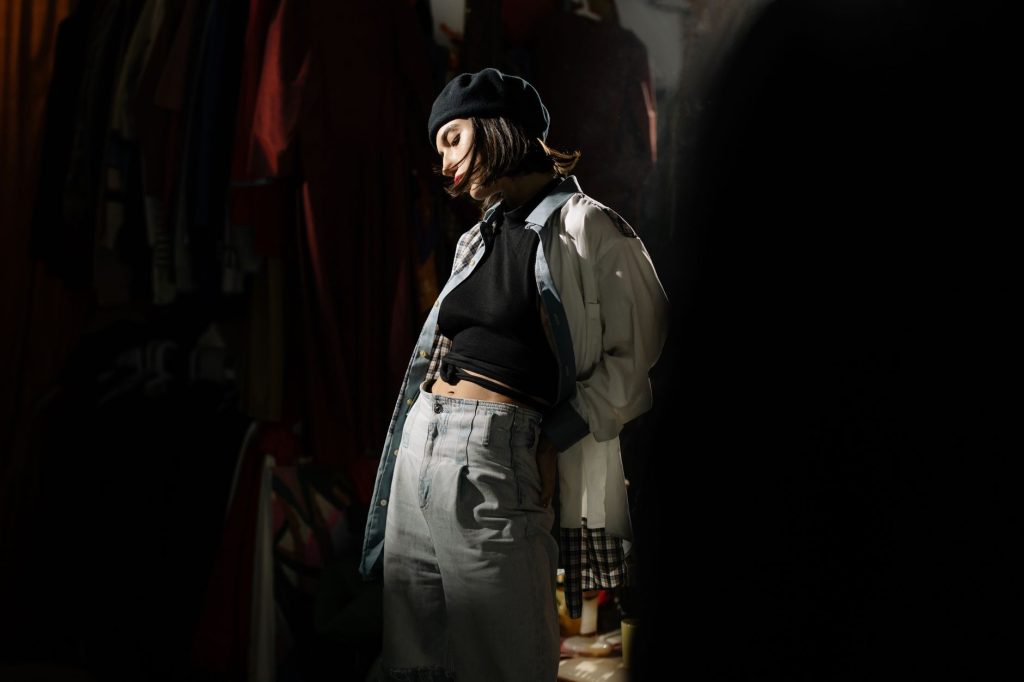
Coco Chanel, a name synonymous with luxury and innovation in fashion, is one of the most influential designers in the history of style. Her vision transcended traditional dress codes and societal norms, forever altering how women perceive and express themselves through fashion. By combining elegance with simplicity, she liberated women from the constraints of overtly ornate garments.
Born on August 19, 1883, Chanel’s journey from humble beginnings to fashion icon is both inspiring and transformative. This article will delve into her life, her designs, and her lasting impact on the fashion industry, providing insights into how her legacy still informs contemporary style.
Who Is Coco Chanel?
Coco Chanel was a pioneering French fashion designer known for revolutionizing women’s fashion. She advocated for a more casual elegance, rejecting the constraints of the corseted silhouette that dominated the early 20th century. Chanel is perhaps best known for introducing the iconic Chanel No. 5 perfume and her classic Chanel suit, symbolizing both femininity and independence.
Her influence is seen in many aspects of fashion today, from the little black dress to the popularization of luxury casual wear. Chanel’s legacy continues to inspire designers and fashion enthusiasts alike.
The Early Life of Coco Chanel
Coco Chanel was born Gabrielle Bonheur Chanel in Saumur, France. Her early life was marked by the hardships of poverty and the loss of her mother at a young age. This led her and her sisters to a convent, where she learned to sew. This skill would later become the foundation of her fashion career.
At 18, Chanel began working as a seamstress and later found work as a singer in a café. It was during this time that she adopted the name “Coco.” Her ambitions soon led her to pursue a career in fashion, first as a milliner and later as a designer.
Chanel’s Rise to Prominence
Chanel’s big break came in 1913 when she opened her first boutique in Deauville, offering casual yet elegant clothing made from jersey fabric, which was previously used mostly for men’s underwear. This approach was revolutionary and quickly gained popularity among women seeking comfort and style.
Her designs were characterized by simple lines, neutral colors, and a lack of unnecessary embellishments. Chanel’s focus on practicality and elegance appealed to women who wanted to feel liberated from the restrictive fashions of the time.
Key Contributions to Fashion
The Little Black Dress
One of Chanel’s most significant contributions is the little black dress (LBD), introduced in the 1920s. This classic piece epitomizes understated elegance and versatility, proving that black clothing could be chic rather than mournful.
Chanel’s LBD, often accessorized with pearls and a simple clutch, set the standard for how to incorporate a streamlined silhouette into any wardrobe. Its simplicity allowed it to be adapted for various occasions, making it a staple for generations.
Chanel No. 5
Launched in 1921, Chanel No. 5 was the first fragrance to feature a blend of natural and synthetic ingredients, allowing for a unique scent. The perfume has become an enduring symbol of sophistication and has maintained its popularity for over a century.
Chanel famously claimed, “A woman should be two things: who and what she wants.” This mantra is reflected in the distinct personality and freedom exuded by her fragrance, making Chanel No. 5 a timeless classic.
The Chanel Suit
The Chanel suit, designed in 1925, revolutionized women’s fashion with its combination of style and comfort. The suit typically features a boxy, tailored jacket and a straight skirt, often made from tweed, offering a sleek silhouette without sacrificing comfort.
This design not only permitted women greater mobility but also allowed them to express their individuality in professional and social settings. The Chanel suit remains a symbol of empowerment and sophistication today.
Coco Chanel’s Design Philosophy
Coco Chanel believed that fashion should be both functional and elegant. Her philosophy centered around the idea that simplicity in clothing could convey sophistication and strength. This approach has influenced countless designers and remains relevant in contemporary fashion.
Chanel also embraced the idea of innovation through textiles. By using jersey fabric, a material traditionally reserved for men, she broke barriers and broadened the possibilities for women’s attire.
Chanel’s Influence on Modern Fashion
Chanel’s legacy is evident in the works of modern fashion designers who draw inspiration from her philosophies and styles. Many brands today prioritize comfort and practicality, reflecting Chanel’s understanding of women’s lives and needs.
Her timeless pieces, such as the Chanel handbag and ballet flats, continue to be sought after for their blend of style and function. The enduring popularity of her designs emphasizes her role in shaping the future of fashion.
Timeless Outfit Ideas Inspired by Coco Chanel
Incorporating elements of Chanel’s aesthetic into your wardrobe can elevate your personal style while embracing her philosophy of elegance and simplicity. Here are some outfit ideas inspired by Coco Chanel:
Classic Chic Ensemble
- Black tailored blazer
- White button-up shirt or a simple tee
- Skinny black trousers or tailored shorts
- Classic black pumps or ballet flats
- String of pearls and a structured handbag
Effortlessly Casual
- Striped Breton top
- Tailored black trousers or dark denims
- Classic denim jacket
- Chanel-style quilted crossbody bag
- Loafers or chic sneakers for comfort
Elegant Evening Look
- Little black dress
- Statement earrings and a bold clutch
- Classic nude heels
- Long-chained necklace for added glam
Accessorizing Like Coco Chanel
Accessories play a crucial role in embodying Chanel’s style. Here are some tips on how to accessorize while keeping true to her aesthetic:
- Invest in a classic handbag, such as the Chanel Classic Flap bag, which can elevate any outfit.
- Layer simple pearl necklaces or wear a statement piece to add sophistication.
- Choose oversized sunglasses to add an air of intrigue and glamour.
- Silk scarves can be tied around the neck, bag, or in the hair for a chic touch.
Chanel’s Legacy in Sustainable Fashion
While Chanel’s original brand is often associated with luxury, sustainability in fashion has become a focal point for many contemporary designers. Chanel’s timeless styles encourage thoughtful consumption, promoting pieces that transcend seasons and trends.
Investing in high-quality, classic pieces not only reduces waste but also aligns with the principles of sustainability that modern consumers increasingly value. By choosing versatile items that resonate with Chanel’s design philosophy, you contribute to a more sustainable wardrobe.
Dressing for Specific Occasions with Chanel’s Influence
When dressing for various occasions, consider how Coco Chanel’s principles can guide your outfit choices. Below are suggestions for specific settings that honor her style:
Business Casual
- Opt for tailored trousers and a classic white blouse.
- Add a fitted blazer to polish the look.
- Choose loafers or low heels for comfort.
Formal Events
- Wear a floor-length gown in a solid color.
- Accessorize with understated jewelry and a classic clutch.
- Choose elegant strappy heels to complete the look.
Weekend Outing
- Pair a fitted turtleneck with tailored jeans.
- Layer with a chic trench coat if it’s cooler.
- Mix in a pair of ballet flats or ankle boots for a stylish finish.
Fit and Proportion in Chanel Style
Understanding fit and proportion is essential when embracing Chanel’s essence in your wardrobe. Here are some guidelines to consider:
- Choose pieces that complement your body shape; tailor items when necessary for a flawless fit.
- Focus on proportions: if wearing a loose top, balance it with a fitted bottom, and vice versa.
- For dresses, opt for styles that highlight your waist with a defined silhouette.
Shopping for Chanel-inspired Pieces
When searching for Chanel-inspired clothing and accessories, consider the following criteria:
- Seek timeless designs over fleeting trends; this ensures longevity in your wardrobe.
- Prioritize quality materials to achieve the luxurious feel associated with Chanel.
- Choose versatile pieces that can be mixed and matched easily, allowing for multiple outfit combinations.
- Explore thrift shops, vintage boutiques, and online marketplaces for pre-loved Chanel finds.
Garment Care Tips Inspired by Coco Chanel
Maintaining the quality of your wardrobe is paramount in reflecting Chanel’s emphasis on elegance and sustainability. Here are some care strategies:
- Follow care labels strictly; hand wash or dry clean delicate items when necessary.
- Store garments properly, using padded hangers for blazers and folding knitwear to maintain shape.
- Avoid direct sunlight exposure to prevent fading; utilize garment bags for seasonal storage.
The Evolution of the Chanel Brand
After Coco Chanel’s passing in 1971, the brand evolved under the creative direction of Karl Lagerfeld, who infused modern aesthetics into the classic brand. This evolution has kept Chanel at the forefront of luxury fashion, marrying tradition with contemporary trends.
Today, Chanel remains one of the most esteemed fashion houses, continually adapting to current fashion landscapes while preserving its heritage. The brand successfully maintains Coco Chanel’s spirit and philosophy through innovative design while ensuring she remains an icon in fashion history.
By embracing Chanel’s principles—simplicity, elegance, and timelessness—you can curate a personal style that resonates with her influential legacy. To incorporate her iconic styles into your wardrobe, start by defining your aesthetic and building a versatile wardrobe that pays homage to her work.
Explore related fashion guides and styling articles such as learning more about the most famous fashion designers or deeper insights into Coco Chanel for a well-rounded understanding of fashion history.