
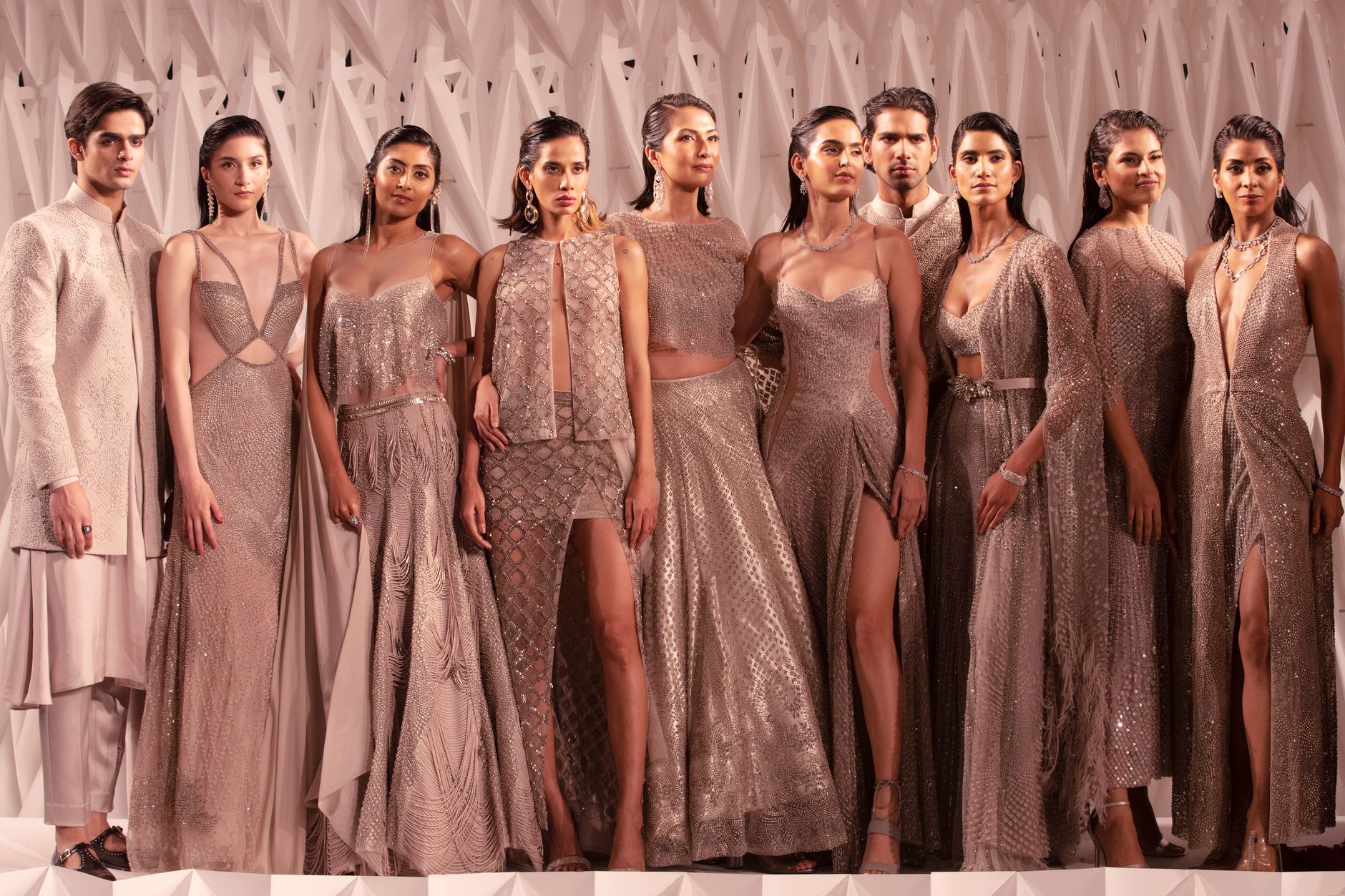
Alexander McQueen was a British fashion designer renowned for his avant-garde and often controversial designs that posed questions about culture, beauty, and the human experience. His distinct vision redefined the boundaries of fashion, blending artistry with craftsmanship, ultimately leaving an indelible mark on the industry.
Born on March 17, 1969, in London, McQueen’s influence continues to resonate through contemporary fashion. This article delves into his age at significant milestones, his remarkable career trajectory, the style that defined his brand, and key facts about his life and legacy.
Who Is Alexander McQueen?
Alexander McQueen was an iconic British fashion designer known for his dramatic flair and theatrical runway shows. His groundbreaking work transformed the perception of fashion into an art form and inspired countless designers around the world. His distinctive style embraced the dark, the romantic, and the avant-garde.
Early Life and Background
Alexander McQueen was raised in a working-class family in Stratford, East London. He was the youngest of six siblings and often found inspiration in the stories told by his mother, a social science teacher. From an early age, he displayed a passion for fashion, which led him to pursue tailoring after leaving school at 16.
He began his apprenticeship at Savile Row, a prestigious street known for bespoke tailoring. This experience honed his technical skills, allowing him to blend impeccable craftsmanship with innovative designs. His unique approach to fashion caught the attention of the fashion world early on.
Career Highlights
The Launch of McQueen’s Brand
In 1992, after graduating from the Central Saint Martins College of Art and Design, McQueen launched his label and quickly gained acclaim for his collections. His graduate collection was bought in its entirety by Isabella Blow, a prominent fashion editor, who became a major supporter of his work.
By 1996, McQueen was named head designer at the prestigious fashion house Givenchy, where he further pushed the boundaries of high fashion while developing his signature aesthetic.
Groundbreaking Collections
Throughout his career, McQueen produced a series of extraordinary collections that showcased his visionary talent. Some of his most noteworthy pieces include:
- Highland Rape (1995): A controversial collection that explored themes of Scotland, history, and femininity, characterized by raw textures and a dark narrative.
- Voss (2001): This collection was notable for its immersive installation featuring live performances and a glass box, reflecting the themes of beauty and insanity.
- Plato’s Atlantis (2010): This collection was inspired by evolution and featured stunning digital prints inspired by nature, ultimately making a statement about climate change.
Theatrical Runway Shows
McQueen’s runway shows were known for their theatricality, often resembling an art performance more than a traditional fashion show. From models walking on a moving treadmill to a runway covered in feathers, each show was an experience intending to evoke emotion and challenge societal norms.
Signature Style and Aesthetics
McQueen’s designs were characterized by their boldness and creativity. He often played with themes of mortality, beauty, and the grotesque to challenge perceptions and push the boundaries of fashion. His signature elements included:
- Tailoring: McQueen’s training in Savile Row influenced his structural designs, resulting in impeccably tailored garments that highlighted the body while showcasing unique silhouettes.
- Dark Romanticism: His use of gothic themes, dark colors, and elements of decay were prevalent throughout his collections, offering a provocative contrast to conventional beauty.
- Innovative Fabrics: McQueen was adept at manipulating fabrics, blending textures and materials in unexpected ways to create garments that were striking both visually and physically.
Controversies and Challenges
While McQueen’s work was celebrated, he often courted controversy with provocative themes and imagery. Some collections faced backlash for their dark narratives and challenging representations of gender, race, and violence. However, these elements sparked conversation around societal issues, contributing to his legacy as a thought-provoking designer.
Legacy and Influence
McQueen left an enduring legacy after his tragic death in 2010. His influence can still be seen in modern fashion, with designers citing him as a key inspiration. The Alexander McQueen brand continues to thrive under the creative direction of Sarah Burton, who has respected his vision while introducing her own interpretations.
Key Facts About Alexander McQueen
- Birthdate: March 17, 1969
- Education: Graduated from Central Saint Martins in 1992
- Notable Awards: Received numerous accolades, including the British Fashion Awards’ Designer of the Year multiple times.
- Death: Passed away on February 11, 2010
Fashion and Personal Style Inspired by McQueen
While Alexander McQueen’s designs can be quite theatrical, his influence can also inspire your personal style choices. Here are some practical outfit ideas that reflect the essence of McQueen’s aesthetic while remaining approachable:
Casualwear
For a casual look inspired by McQueen’s rock-inspired aesthetic:
- A fitted black leather jacket as a staple outer piece.
- A simple white tee or blouse to create a soft contrast.
- High-waisted skinny jeans to emphasize a tailored silhouette.
- Chunky ankle boots for an edgy touch.
- Accessorize with statement jewelry, such as bold cuffs or oversized rings.
Workwear
Infuse McQueen’s chicness into office wear by choosing structured pieces:
- A tailored blazer in a dark or deep jewel tone.
- A silk blouse that drapes elegantly.
- Straight-leg trousers that maintain a polished silhouette.
- Pumps with a unique design or texture for visual interest.
- Complete the look with classic leather totes or minimalistic handbags.
Formal Attire
When dressing for a formal occasion, consider:
- A floor-length gown with a unique cut or unusual fabric.
- Classic black heels or ankle-strapped sandals that provide support and style.
- Statement earrings or a bold clutch to add a pop.
Layering and Seasonal Dressing
McQueen’s designs often showcase the art of layering. Here are some tips for achieving layered looks:
- Start with a fitted turtleneck or long-sleeve top as your base.
- Add a waistcoat or tailored blazer for a polished element.
- In cooler weather, layer a trench coat or oversized jacket on top.
- Mix textures—try wool with silk or leather with cotton to create depth.
- Choose a cohesive color palette for effortless coordination.
Understanding Fabrics and Care
McQueen often utilized a range of fabrics, each requiring specific care to maintain their beauty and integrity. Here are some common materials used in his designs and care suggestions:
| Fabric | Care Instructions |
|---|---|
| Silk | Dry clean only; avoid water as it can damage the fibers. |
| Leather | Wipe with a soft cloth; apply leather conditioner as needed. |
| Wool | Hand wash in cold water or dry clean, avoiding wringing. |
| Cotton | Machine wash on gentle cycle; tumble dry on low, or air dry to avoid shrinking. |
Conclusion
Alexander McQueen’s fashion legacy serves as an inspiration, encouraging individuals to embrace creativity in their style choices. Whether you draw from his bold aesthetic or his approach to layering and fabrics, remember, fashion is a form of self-expression. Explore your wardrobe with confidence and consider incorporating elements of the avant-garde into your daily wear.
For more insights on personal style, take a look at Who Is Alexander McQueen and explore who the most famous fashion designers today are.