
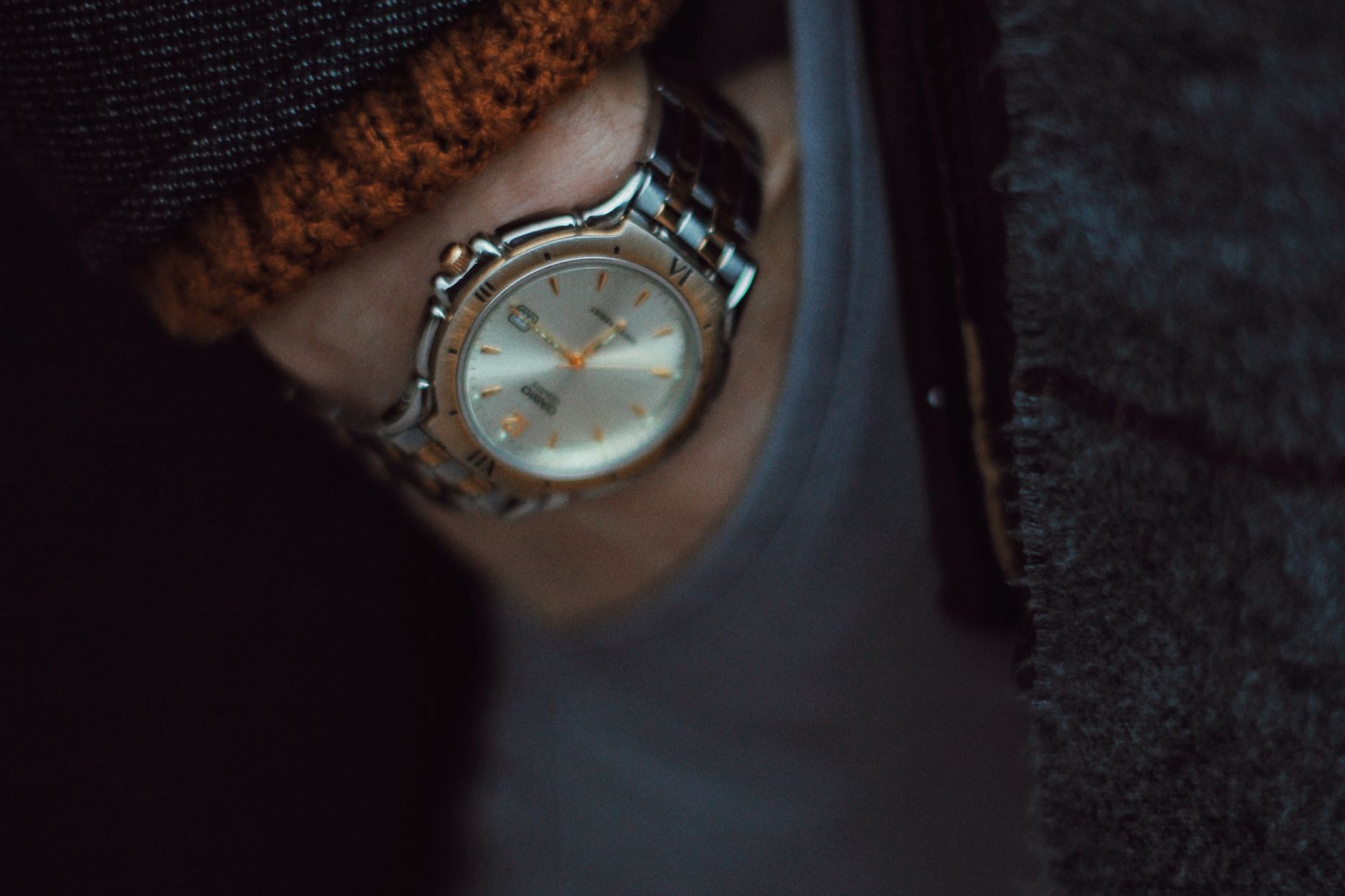
Choosing which wrist to wear a watch on is a subtle yet significant decision for men. It influences not only comfort but also style, and can reflect personal preferences and cultural norms. While the left wrist is traditionally favored, there are no strict rules—your choice can depend on several factors, including practicality and aesthetics.
In this article, we will explore the reasoning behind common practices, offer styling tips, and provide a guide to make the most of your timepiece, ensuring you shine whether at work or play.
Which Wrist To Wear Watch Male?
The most common choice for men is to wear a watch on the left wrist. This preference stems from practicality; most people are right-handed, and wearing a watch on the non-dominant arm reduces the risk of damage while writing or performing other tasks. However, wearing it on the right wrist is equally acceptable and can be a statement of personal style.
The Practical Aspects of Choosing a Wrist
Understanding the reasoning behind wrist placement can help you make a practical choice that aligns with your lifestyle.
Comfort and Functionality
For those who frequently engage in activities that require the use of their dominant hand, wearing a watch on the non-dominant wrist can improve comfort and shorten the risk of scratches and wear. Conversely, if you tend to be more active with both hands, consider where you’d find a watch least obstructive. Evaluation of these factors is crucial.
Wear and Tear Consideration
The dominant wrist will naturally experience more movement and may lead to more encounters with surfaces that could scratch or damage the watch. On the other hand, the non-dominant side, usually the left, can provide a cushion against such instances. This reasoning is often why many men gravitate towards wearing their watches on their left wrist.
When to Choose the Right Wrist
While tradition leans toward the left side, there are times when choosing the right wrist can be ideal. Let’s explore those moments.
For Left-Handed Individuals
If you are left-handed, wearing a watch on the right wrist might make more sense. This helps avoid scratching the watch face against surfaces while working or writing. Not only does this keep your watch in pristine condition, but it also creates a unique, personal style statement.
Personal Style Choice
Fashion is personal, and expressing individuality can be achieved through unconventional choices. Wearing a watch on the right wrist may set you apart from the crowd and showcase your personal style. Your watch could serve as a conversation starter or a way to reflect your unique aesthetic.
Styling Your Watch: Outfit Ideas
Once you’ve settled on the wrist for your watch, it’s crucial to style it in a way that completes your outfit. Here are a few outfit combinations to consider, relevant to varying occasions.
Casual Outfits
- Outfit Idea: A classic white t-shirt, light wash denim jeans, and leather sneakers.
- Watch Style: A sporty or casual watch in rubber or fabric strap.
- Why It Works: This look keeps your style laid-back and comfortable while the watch adds a focal point to your casual attire.
Smart Casual Looks
- Outfit Idea: A navy blazer, white oxford shirt, and chinos.
- Watch Style: A classic leather strap watch offering a combination of durability and elegance.
- Why It Works: This ensemble elevates your style for many social occasions while maintaining a polished yet comfortable look.
Workwear Essentials
- Outfit Idea: A tailored suit or slacks with a fitted dress shirt.
- Watch Style: A metal bracelet watch or dress watch that complements your outfit color.
- Why It Works: A sophisticated watch paired with a sharp suit can enhance your professionalism while reflecting your attention to detail.
Formal Occasions
- Outfit Idea: A tuxedo or a tailored black suit.
- Watch Style: A slim dress watch with a minimalist style and leather strap.
- Why It Works: The sleek design provides an elegant accent to formal wear without overpowering the overall look.
Color Coordination and Texture
To ensure your watch doesn’t clash with your outfit, pay attention to color coordination and texture. Here are some tips:
Color Matching
- Consider the primary colors of your outfit. A silver or gold watch often compliments more traditional attire, while a black or brown watch pairs well with earth tones.
- Mixing metals? Try to limit the metal types in your accessories to maintain coherence.
Texture Considerations
- A textured strap, like one made from leather, can add depth to an otherwise simple outfit.
- Different textures work best with specific fabrics—suede shoes with leather straps or fabric watches with denim.
Layering Techniques
Layering isn’t only reserved for clothing; your watch can also benefit from the right layering techniques when it comes to bracelets or stacking. Here’s how to do it right.
Accessorizing with Bracelets
- Consider pairing your watch with a bracelet in a similar color palette.
- A leather bracelet can work with a classic watch while beaded or fabric bracelets pair nicely with casual watches.
Balance of Proportions
- If wearing multiple items on your wrist, ensure the sizes balance out; a larger watch with a minimal bracelet maintains harmony.
- Avoid overcrowding to keep the look classy and stylish.
Seasonal Dressing and Watch Choices
Different seasons may lend themselves to certain watch styles and outfit combinations. Check these guidelines to elevate your look throughout the year.
Spring and Summer
- Opt for lighter materials and colors, such as a fabric strap or a watch with a colorful face.
- Pair with short sleeves to allow the watch to be visible; consider casual watches that accentuate this relaxed atmosphere.
Fall and Winter
- Choose watches with darker tones or metallic accents to complement seasonal clothing colors like deep greens, oranges, and browns.
- Layer with long sleeves or jackets to feature the watch subtly while dressing for the chill.
Garment Care and Watch Maintenance
Caring for your watch is as important as choosing the right wrist. Let’s discuss some essential care tips.
Watch Care Essentials
- Wipe your watch regularly with a soft cloth to prevent dirt buildup.
- For leather straps, occasionally treat them with leather conditioner to maintain the texture and flexibility.
Storage Tips
- Store your watch in a dedicated box to prevent scratches from other accessories.
- A watch winder can be beneficial if you own an automatic watch, ensuring it keeps time accurately.
The Evolution of Watch Wearing Trends
Throughout history, the significance of wristwatches has transformed dramatically. Initially worn primarily by women, wristwatches became a symbol of masculinity in the 20th century.
During World War I, the practicality of wearing wristwatches became apparent, leading to their popularity among men. From military use to a fashion accessory, the watch evolved into a timeless staple for both form and function in men’s fashion.
Shopping Tips for the Right Watch
Choosing a watch should be an enjoyable experience. Here are some tips to consider when making a purchase.
Choosing the Right Size
The watch size should complement your wrist. A smaller dial suits slimmer wrists, while larger dials enhance broader wrists. Aim for a balance, so the watch doesn’t overpower or underwhelm your arm.
Material Considerations
When selecting a watch, consider the material—stainless steel for durability, gold for elegance, or a fabric blend for casual versatility. Each comes with unique maintenance and wear properties.
Budgeting for Your Purchase
Establish a budget that aligns with your financial comfort. Watches range across a broad spectrum, so focus on quality over quantity. Investing in a classic piece can offer value through time.
Creating Your Wardrobe Around Your Watches
Ensure your wardrobe allows you to showcase your watch effectively. Here’s how to seamlessly integrate your timepiece:
Capsule Wardrobe Essentials
- Include versatile pieces such as tailored trousers, neutral shirts, and a stylish blazer.
- Accessorize with wristwear that ties into the overall aesthetic of your capsule wardrobe.
Consider Versatility
When selecting your watch, think about its versatility. A classic watch design can be dressed up or down, enhancing various outfit combinations effortlessly.
Finding Your Unique Style
Ultimately, the wrist you choose to wear your watch on should resonate with your personal style while taking into account comfort and function. Feel free to experiment with different placements until you find what works best for you.
Embrace your individuality, and let your watch be a unique expression of your personal style. Understand that fashion is fluid, and the ultimate goal is to wear pieces that make you feel confident.
For those wanting to delve deeper into the art of watch wearing, explore more of our guides on what hand to wear a watch and which wrist to wear a watch.