
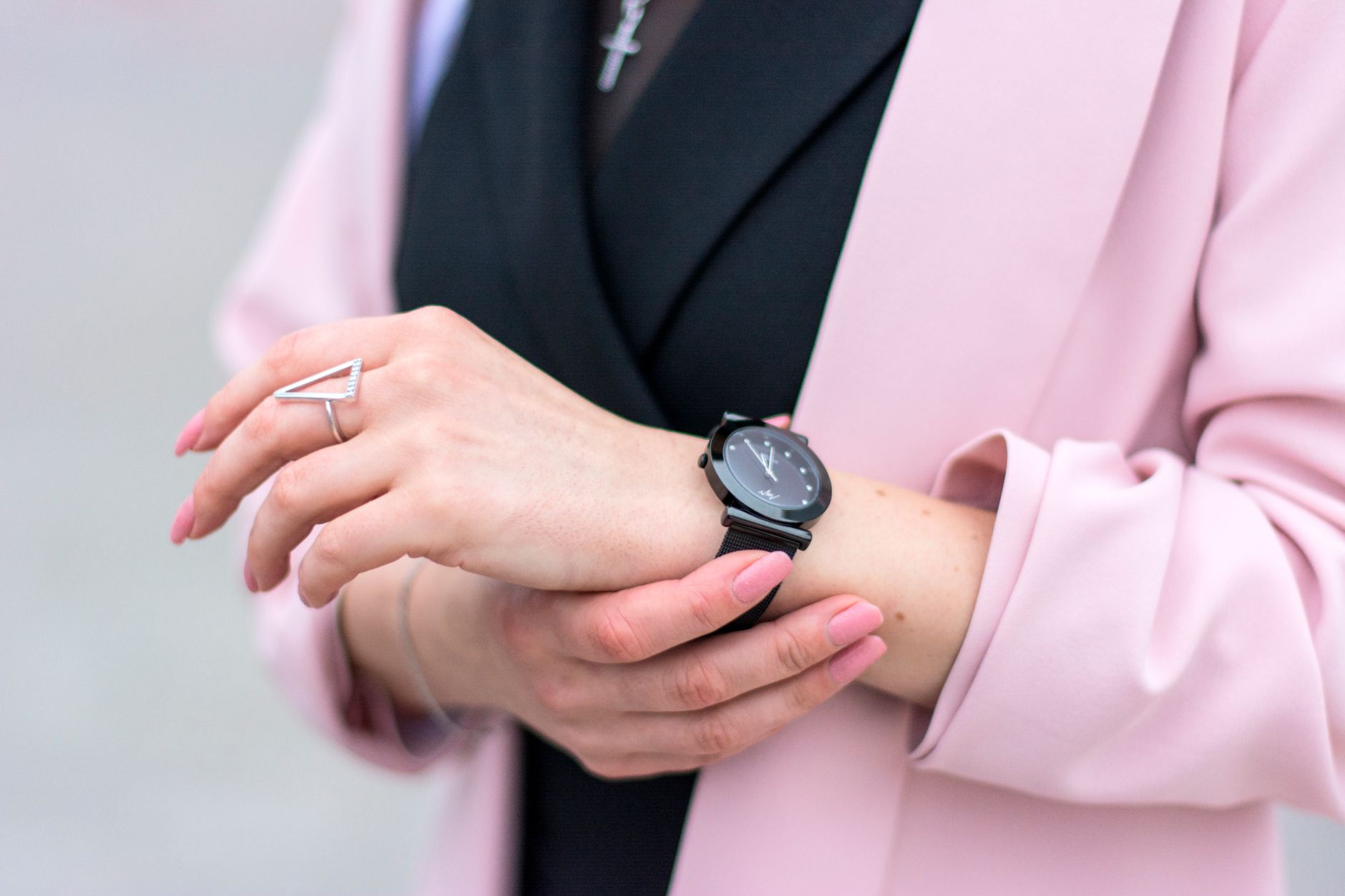
Choosing which hand to wear a watch on can be more than just a practical decision; it’s also a style consideration. While many people gravitate towards the conventional options, personal style and comfort should also play a part in your choice. This article will explore the significance behind wearing a watch on a particular hand, delve into practical use cases, and provide a style guide to ensure you wear your timepiece with confidence.
Wearing a watch may seem straightforward, but it touches upon tradition, functionality, and personal aesthetics. We’ll highlight the implications of choosing one hand over the other, and how this choice can align with your unique style.
Which Hand To Wear Watch?
The most direct answer to this question is traditionally, many people wear watches on their non-dominant hand; for right-handed individuals, that’s the left hand, while left-handed individuals often prefer the right hand. This allows for easier access to the watch without interfering with daily activities, especially writing or using tools. However, personal preference plays a significant role, and there are no strict rules.
Understanding the Tradition
Historically, the practice of wearing a watch on one hand over the other may have roots in practicality and the advent of watch-making itself. Most early watches were pocket watches, often secured by a chain or keeper. With the shift to wristwatches in the 20th century, users began wearing them on their non-dominant hands to keep the dominant hand free for engagement in activities.
That being said, there is no universal rule. Some people prefer wearing their watch on the dominant hand due to personal comfort or styling choices. The key takeaway is to use a hand that feels comfortable and makes sense for your lifestyle.
Practical Considerations for Wearing a Watch
Beyond tradition, there are practical considerations to take into account when deciding which hand to wear your watch. The following factors can also influence your decision:
- Comfort: Ensure your watch feels comfortable on your wrist. Some people may find it more natural to wear their watch on their dominant hand while others find it cumbersome.
- Functionality: For activities that require a lot of wrist movement, wearing the watch on the non-dominant hand can prevent accidental scratches and enhance visibility.
- Watch Type: The style of the watch can also influence which hand it is best suited for. Bulkier watches may feel too heavy on the dominant hand.
- Layering: Consider how the watch interacts with other accessories, such as bracelets, cufflinks, or cuffs of a dress shirt. The position of the watch may affect layering.
Style Guide for Wearing a Watch
The choice of which hand to wear a watch can significantly impact your overall style. Below are some tips to help you wear your watch confidently while making a style statement:
1. Outfit Coordination
Your watch can enhance your outfit but should also coordinate with your overall look. Here are some example combinations:
- Casual Look: Pair a leather strap watch on your non-dominant wrist with a fitted graphic tee, distressed jeans, and sneakers for a relaxed weekend vibe.
- Business Casual: A sleek, stainless steel watch works beautifully on the left wrist when combined with tailored chinos, a button-up shirt, and loafers.
- Formal Attire: Choose a classic dress watch and wear it on the non-dominant wrist paired with a sharp tuxedo or tailored suit for an elegant ensemble.
- Athleisure: A sporty digital watch can be worn on the right wrist when styled with joggers, a fitted tank top, and comfortable trainers.
2. Layering with Accessories
Layering accessories can create a stylish look. Here are some tips for integrating your watch into a layered ensemble:
- If you wear bracelets, consider stacking them on the same wrist as your watch. Ensure the textures and colors complement each other. A leather watch paired with beaded bracelets can create a bohemian feel.
- For formal occasions, wear cufflinks that mirror the metal of your watch. This creates cohesion in your outfit and elevates your look.
- When layering bracelets, opt for varying weights. A dainty watch contrasts nicely with thicker, chunkier bracelets, providing a visual balance.
3. Consider Watch Size and Fit
The fit of your watch is just as important as the hand you choose to wear it on. Here are a few considerations about watch sizes:
- A watch should fit snugly on the wrist without being overly tight. You should be able to slide two fingers under the band comfortably.
- For larger wrists, consider oversized watches that complement your proportion. Conversely, a smaller watch may look lost on a large wrist.
- Tall individuals often suit larger watches, while petite individuals should consider smaller, more delicate timepieces to maintain proportion.
4. Seasonal Dressing
Different seasons may offer various considerations for wearing a watch:
- Spring/Summer: Light, breathable clothing often seen in warmer weather can be complemented by lighter watches, such as those with fabric straps or light-colored metals.
- Fall/Winter: In colder months, opting for heavier, more substantial watches can balance out bulkier layers, such as wool sweaters or heavy coats.
5. Gender-Inclusive Choices
Fashion is evolving, and watch styles are becoming increasingly gender-neutral. Here are some considerations for all:
- Opt for a watch that resonates with your style preferences regardless of gender categorization. Many watches today feature clean lines and minimalist aesthetics that appeal to anyone.
- Colors and themes are also diversifying. Whether you prefer classic, bright, or bold designs, there are options available for every taste.
- Feel free to mix traditionally male or female styles. Bold statement pieces can elevate any outfit and suit any gender identity.
Caring for Your Watch
Proper care for your watch is essential to maintain its look and functionality. Follow these guidelines to ensure your watch remains in great condition:
1. Regular Cleaning
- Use a soft, dry cloth to wipe away dust and sweat from the watch face and strap. Avoid using abrasive materials that could scratch.
- If your watch is waterproof, gently rinse it in clean water and use a soft brush to clean difficult areas; however, check your watch specifications to avoid damaging it.
- For leather bands, consider a leather conditioner to keep the material supple but be cautious not to get the watch face wet.
2. Safe Storage
When not in use, store your watch in a dedicated watch box or a soft pouch to prevent scratches. Avoid exposing your watch to extreme temperatures or direct sunlight for extended periods, as these can affect battery life and the integrity of the materials.
3. Battery Changes and Servicing
If your watch has a battery, be sure to change it regularly, especially if the watch has stopped. Depending on the type of watch, a full servicing every few years can prolong its life and keep it functioning correctly.
Making Your Statement
Ultimately, the choice of which hand to wear your watch is a blend of tradition, personal preference, and style expression. Regardless of societal norms, it is essential to choose what feels right for you. Follow the practical tips above to ensure your watch complements your look and lifestyle.
As you develop your unique style, don’t hesitate to experiment with different hand placements and combinations of styles. The best accessorizing comes from understanding your personal aesthetic and letting that guide your choices.
In summary, whether you are aligning with tradition or breaking the mold, make your watch an integral part of your personal style. Explore different combinations and land on what feels comfortable and confident for you.
For more outfit ideas and styling tips, check out our guides on which hand to wear a watch, and learn about which hand a watch goes on for more insights on accessorizing with impact.