
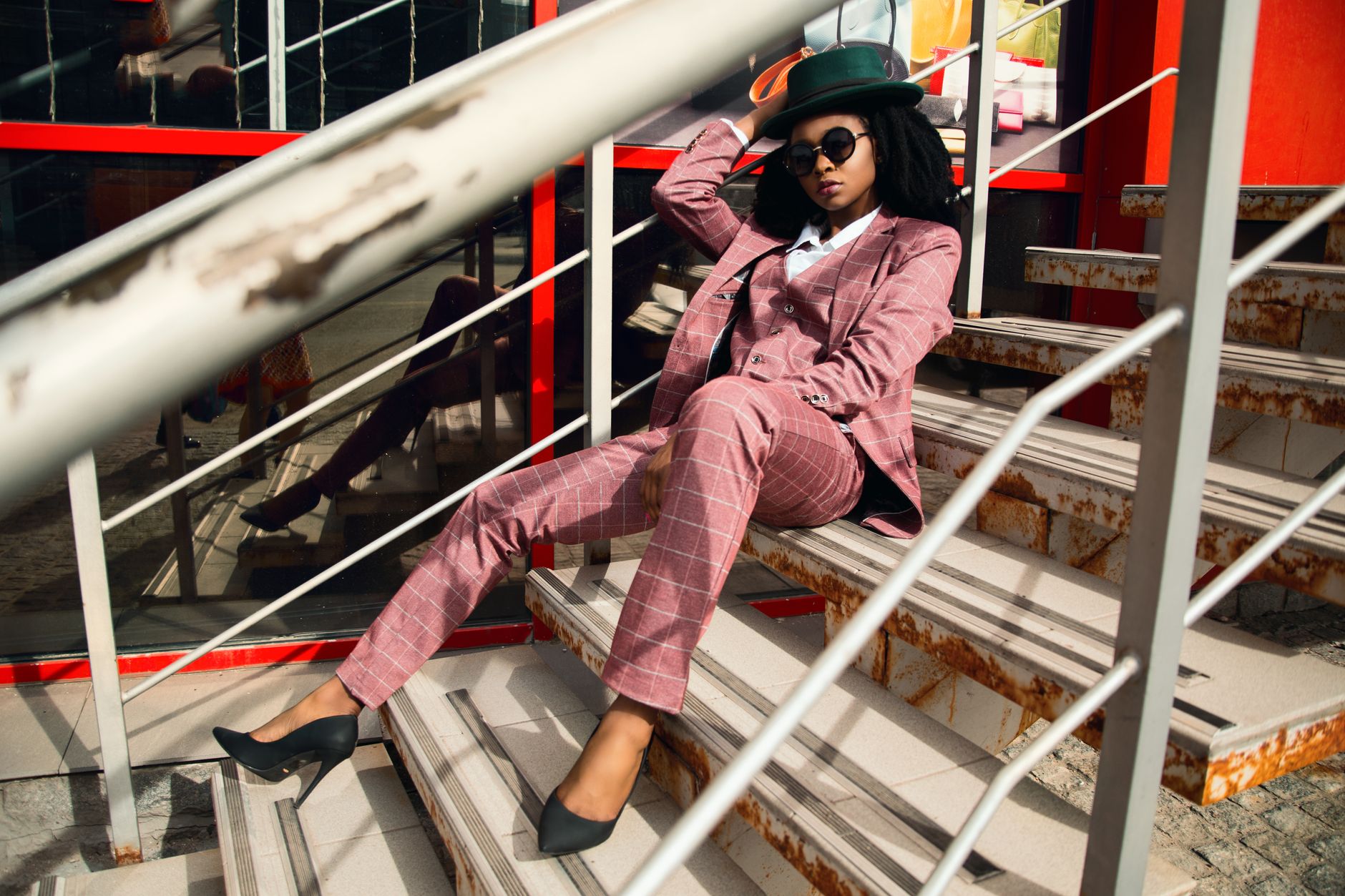
Understanding the phrase “Which Fashion Hopkins LLC” begins with contextualizing its relationship with the fashion industry and the broader themes of personal style. It hints at a potentially unique brand experience that embodies distinct fashion principles and aesthetic values, deserving exploration.
In this guide, we will dive into the meaning behind “Which Fashion Hopkins LLC,” discuss its practical uses, and provide a comprehensive style guide tailored to enriching your wardrobe and personal expression.
What Does “Which Fashion Hopkins LLC” Mean?
“Which Fashion Hopkins LLC” appears to refer to the exploration of style choices, perhaps in connection with a specific brand or designer ethos. It suggests consideration—pondering which pieces embody one’s personal taste, fit into a wardrobe, or align with lifestyle demands.
Fashion is inherently subjective, filled with choices that allow individuals to express their identities. The name may imply that the brand or concept embodies a fashionable fusion of styles, ideals, and practical garments that resonate with a diverse audience. Understanding its nuances can help one navigate their fashion journey more effectively.
The Uses of “Which Fashion Hopkins LLC”
The practical implications of “Which Fashion Hopkins LLC” lie in how we can apply it to our everyday wardrobe, shopping choices, and overall style development. Here are some key uses:
- Identifying your personal fashion aesthetic.
- Understanding how to curate pieces that align with an evolving style.
- Finding versatile items that can transition between casual and formal occasions.
- Learning about brand philosophies that resonate with individual values and comfort.
- Exploring different ways to express identity through diverse fashion choices.
Style Guide: Putting Together Your Wardrobe
Now that we’ve examined the meaning and uses of “Which Fashion Hopkins LLC,” let’s delve into creating a cohesive style guide. A well-structured wardrobe can simplify outfit selection and enhance personal expression. Here are some essential components and strategies.
Outfit Ideas
Crafting outfits can seem daunting, but it becomes easier with a clear framework. Consider the following combinations that work across various styles and occasions:
- Casual Day Out: High-waisted denim jeans, a white linen button-up shirt, and white sneakers. Accessorize with a crossbody bag and sunglasses for a perfect weekend vibe.
- Workwear Chic: Tailored navy trousers paired with a fitted blouse, finished with loafers and a structured blazer. This combination promotes professionalism while maintaining comfort.
- Evening Glam: A little black dress complemented by strappy heels and a statement clutch. Enhance the look with bold jewelry.
- Weekend Relaxation: Oversized sweater, leggings, and ankle boots. Combine with a beanie and a tote bag for a cozy look.
Wardrobe Essentials
Every wardrobe deserves a few essentials that serve as foundational pieces, versatile for multiple outfit combinations. Here’s a list of must-haves:
- Classic white shirt
- Well-fitted jeans
- A little black dress
- Tailored blazer
- Neutral flats or loafers
- Elegant ankle boots
- Maxi skirt for versatility
- Quality outerwear like a trench coat or leather jacket
Color Coordination
A cohesive color scheme can tie a wardrobe together. Consider establishing a palette that suits your skin tone and personal aesthetic. Here are some tips:
- Choose a base color (like navy, black, or beige) that can serve as a foundation.
- Incorporate accent colors through accessories, shoes, or tops that can brighten and uplift your main outfits.
- Consider monochrome looks, which can be both striking and sophisticated.
- Mix textures with your color palette to add depth and interest.
Layering
Layering effectively allows for adaptability across seasons and climates. Here’s how to do it correctly:
- Start with a lightweight base layer—think cotton tees or tanks.
- Add a mid-layer, such as a cardigan or a stylish utility jacket.
- Finish with outer layers that are both functional and fashionable, like a trench coat or denim jacket.
- Don’t shy away from incorporating accessories like scarves and hats for added warmth and style.
Seasonal Dressing
Each season invites unique wardrobe adaptations. Consider these strategies for transitioning your outfits:
Spring
- Opt for lighter fabrics like cotton and linen. Think floral patterns and soft pastels.
- Add layers with cardigans or denim jackets for those brisk spring breezes.
Summer
- Choose breathable fabrics such as cotton, linen, and modal.
- Stay comfortable and chic in maxi dresses or flowy skirts coupled with sandals.
Autumn
- Embrace warmer tones—burgundy, mustard, and deep greens.
- Layering becomes crucial; consider sweaters over shirts and heavier outerwear.
Winter
- Invest in quality thermal wear and heavy jackets.
- Incorporate accessories such as scarves, gloves, and hats that coordinate with your outerwear.
Understanding Fit and Proportion
Fit and proportion are vital in maintaining a polished look. Here are key considerations when choosing garments:
- Ensure your clothing fits well in the shoulders, chest, and waist. A poor fit can detract from the best outfit.
- Understand the balance between structured and relaxed silhouettes. For example, pair a fitted top with looser bottoms to maintain proportion.
- Don’t hesitate to tailor pieces for a perfect fit; alterations can elevate your wardrobe significantly.
Occasion Dressing
Mastering occasion dressing can enhance your confidence and effectiveness in various environments. Here’s how to navigate different dress codes:
Casual
- Focus on comfortable fabrics and practical silhouettes, such as jeans, t-shirts, and sneakers.
Smart Casual
- Incorporate blazers and tailored pants with a smart shirt or blouse. Stylish ankle boots add polish.
Formal
- Choose structured dresses or tailored suits. Accessories should complement, but not overpower, the outfit.
Modest Fashion
- Select pieces that provide coverage yet remain stylish. Long skirts, high-neck tops, and lightweight pullovers work well.
Menswear & Womenswear: Inclusive Fashion Choices
Fashion transcends gender, and inclusive designs promote the expression of individuality. Here’s how you can approach both menswear and womenswear:
- Consider fluidity; mix traditionally masculine and feminine pieces for a look that reflects your taste.
- Invest in versatile garments that work for all body types, such as oversized blazers or relaxed-fit trousers.
Footwear: The Foundation of Style
Choosing the right footwear is crucial to finalize your outfits. Keep these elements in mind:
- Invest in a mix of shoes—flats, heels, and sneakers—to accommodate different occasions.
- Comfort should be prioritized alongside style, especially for long wear or busy days.
- Pick footwear that complements both the colors and styles of your outfits.
Accessorizing Your Outfits
Accessories can elevate any outfit. Here’s how to choose and style them:
- Opt for statement pieces or a few delicate items to create a balanced look.
- Match accessories to your outfit color, but don’t hesitate to introduce contrast for a pop of interest.
- Always consider the occasion when selecting accessories, prioritizing practicality and comfort.
Fabric Choices and Garment Care
Understanding fabrics is essential for both comfort and style longevity. Here are a few common fabric types and care tips:
| Fabric | Characteristics | Care Tips |
|---|---|---|
| Cotton | Breathable, soft, easy to care for | Machine wash, can be tumble dried |
| Wool | Warm, moisture-wicking, tends to itch | Hand wash or dry clean, avoid excessive dryness |
| Synthetic Blends | Durable, resistant to creasing and stains | Machine wash, requires less special care |
| Silk | Luxuriously soft, shiny, delicate | Dry clean preferred, avoid water |
Shopping Smart
When it comes to shopping, being intentional will help you build a meaningful wardrobe. Consider these insights:
- Always check fabric content, care instructions, and return policies.
- Prioritize versatility; look for garments that can be worn multiple ways.
- Invest in quality over quantity—fewer, higher-quality pieces will serve you better in the long run.
Fashion History and Its Influence
Understanding fashion history can illuminate current trends and personal style evolution. Here are a few key eras and their influence:
- The Roaring Twenties embraced bold silhouettes and jazz-inspired glamor.
- Fashion in the 1960s showcased the joy of youth culture and vibrant expressions.
- The minimalist movement of the 1990s emphasized simplicity and practicality.
Conclusion
Your journey through the world of fashion, encapsulated by the notion of “Which Fashion Hopkins LLC,” encourages personal growth, self-discovery, and sartorial expression. By understanding the key elements of outfit composition, fit, and seasonal dressing, you can create a lasting style that resonates with who you are. Take the next step by experimenting with outfit combinations from your existing wardrobe or planning a shopping trip focused on building your ideal capsule collection.
Explore related outfit ideas, styling tips, or fashion guides as you continue to refine your personal style, especially with guides like how to style linen pants and how to style wide leg jeans.