
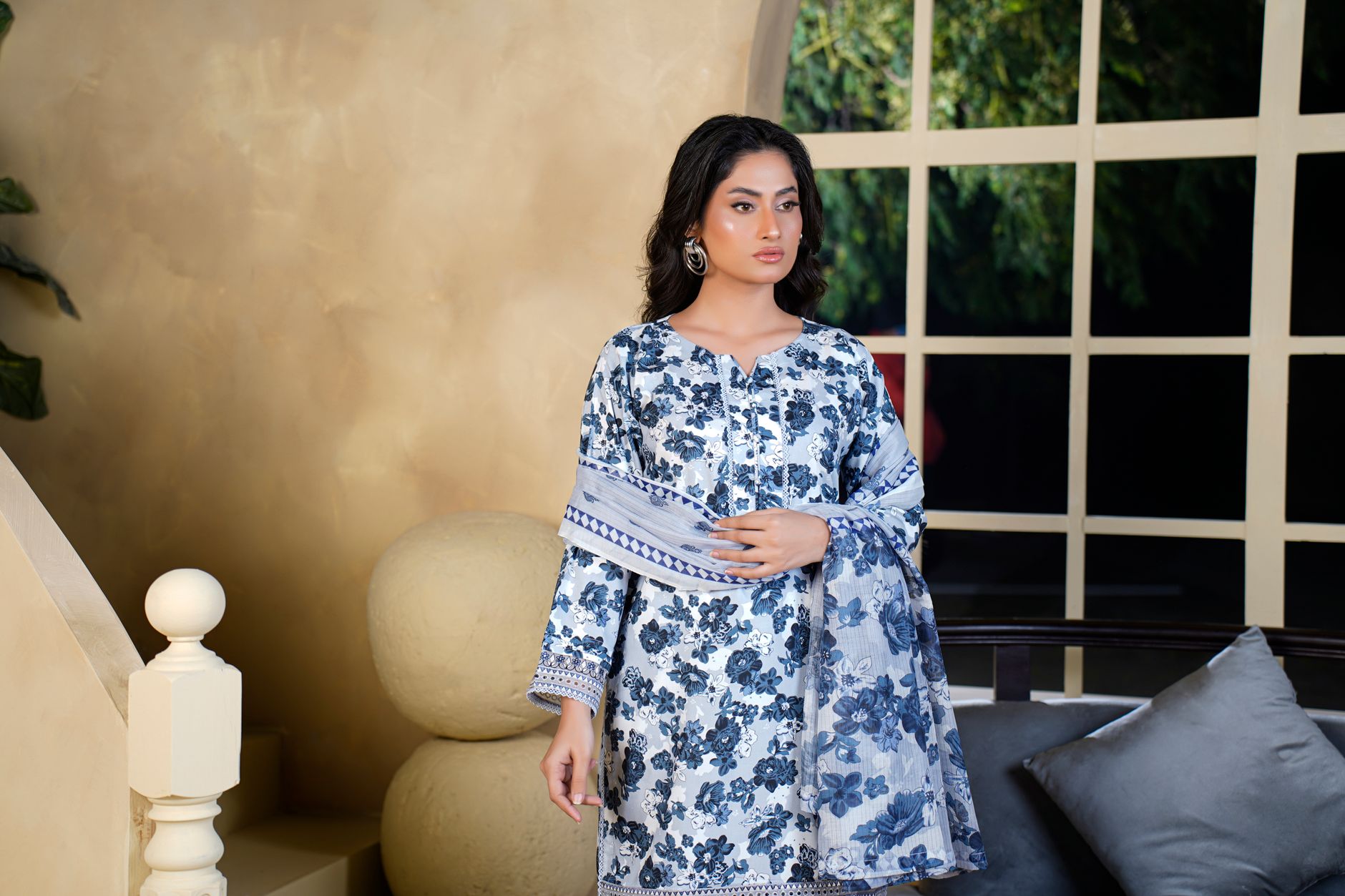
Fashion in Egypt is a rich tapestry woven from its historical influences, cultural diversity, and modern trends. Understanding the nuances of style, fit, and appropriate clothing choices for this unique region can greatly enhance your wardrobe and confidence. Whether you’re seeking casual attire for daily wear, outfits for special occasions, or simply looking to embrace the vibrant style of Egypt, this guide has you covered.
This article will explore key aspects of fashion in Egypt, including popular styles, wardrobe essentials, occasions, and fabric choices. We will also address how to choose pieces wisely, combine outfits effortlessly, and adapt styles to various settings.
Which Fashion Egypt?
Fashion in Egypt blends traditional elements with contemporary trends. You’ll find local craftsmanship, colorful patterns, and comfortable fabrics essential for the climate. Understanding the best style choices will allow you to express your identity while respecting local customs.
Key Elements of Egyptian Fashion
The essence of Egyptian fashion can be distilled into several key elements:
- Comfort: Due to the warm climate, breathable fabrics like cotton and linen are popular, making them ideal for everyday wear.
- Modesty: Many traditional styles prioritize modesty, so consider incorporating layered looks that offer coverage without sacrificing style.
- Color and Pattern: The use of vibrant colors and intricate patterns reflects Egypt’s rich culture, allowing personal style to shine through.
- Cultural Influence: Traditional garments, such as the galabeya for men and women, feature prominently in local fashion.
Outfit Ideas for Different Occasions
Casual Wear
For everyday activities, comfort and ease of movement are paramount. Here are some outfit suggestions that can suit both daily errands and casual outings:
- Linen Pants and Light Top: Pair wide-leg linen pants with a loose-fitting cotton blouse. This combo is excellent for warm days, allowing airflow while looking chic.
- Maxi Dress: A flowy maxi dress with vibrant prints or a solid color can be easily accessorized. It is perfect for a casual lunch or a stroll along the Nile.
- Chic Jumpsuit: A relaxed jumpsuit in breathable fabric paired with stylish sandals balances elegance with comfort. Perfect for day-to-night transitions.
Workwear
In professional settings, it’s essential to strike a balance between coverage and style:
- Tailored Blazer and Trousers: A well-fitted blazer over a simple blouse with tailored trousers creates a sophisticated work outfit.
- Pencil Skirt and Blouse: A classic pencil skirt paired with a structured blouse offers a polished look suitable for most office environments.
- Smart Casual Dress: A knee-length dress in a muted shade can easily transition from a business meeting to after-work gatherings. Opt for breathable fabrics for comfort.
Formal Wear
For formal occasions like weddings or evening events, consider these outfit ideas:
- Evening Gown: A flowing gown with delicate embellishments adds elegance. Choose rich fabrics like silk or chiffon for a luxe look.
- Men’s Suit: A tailored suit in dark hues paired with a light dress shirt offers a classic appearance suitable for formal gatherings.
- Traditional Attire: Embrace cultural heritage by wearing a traditional garment like a beautifully embroidered galabeya for both men and women during celebrations.
Seasonal Dressing
Egypt’s weather can be quite extreme, so seasonal dressing is crucial. Here are some tips:
- Summer: Prioritize light, breathable fabrics like cotton and linen. Assess outfits that offer maximum coverage while allowing air circulation.
- Winter: Even in winter, layers are key. A lightweight sweater over a long-sleeve shirt paired with loose cardigans can keep you warm without overheating.
Wardrobe Essentials in Egyptian Fashion
Building a wardrobe that reflects your style while remaining functional is essential. Here are key pieces to consider incorporating into your collection:
- Basic Tees: Versatile for layering or wearing on their own, opt for neutral colors that can mix and match.
- Maxi Skirts: A staple in many wardrobes, maxi skirts can be styled for both casual and formal ensembles.
- Lightweight Scarf: Ideal for layering, a scarf can add interest and warmth when needed while paying homage to modesty.
- Comfortable Sandals: Choose sandals that provide support as well as style for everyday activities.
Color Coordination and Styling Tips
Understanding how to coordinate colors can elevate your fashion game in Egypt:
- Complementary Colors: Pair colors that sit opposite each other on the color wheel for a striking look. For example, navy and orange create a bold contrast.
- Monochrome Outfits: Dressing in a single color or shades of the same color can create a sleek, sophisticated vibe.
- Adding Neutrals: Utilize neutral tones like beige, taupe, and white to balance brighter pieces and add versatility.
Fabrics and Garment Care
Choosing the right fabric is vital in ensuring comfort and durability, especially in Egypt’s climate:
- Cotton: Highly breathable and easy to care for, cotton is perfect for daily wear. Regular washing will keep it fresh.
- Linen: This fabric is natural and has moisture-wicking properties. However, it wrinkles easily; choose clothes designed with this in mind.
- Silk: Luxurious but requires careful washing. Hand wash or dry clean for longevity as it’s prone to damage from water and heat.
Accessorizing with Style
Accessories can transform an outfit and allow for personal expression:
- Statement Jewelry: Bold necklaces or large earrings can turn a simple outfit into a statement one.
- Functional Bags: Choose bags that accommodate daily needs while complementing your overall look, such as tote bags for work or crossbody bags for casual outings.
- Headscarves: Often used to add an artistic touch while providing sun protection, these can be styled in various ways.
Understanding Fit and Proportion
Achieving good fit and proportion is essential for looking polished:
- Tailored Pieces: Ensure that your clothes fit snugly but comfortably, especially around the shoulders, bust, and waist for tops.
- Length Matters: Be mindful of garment length—dresses should hit below the knee for modesty, while trousers should reach the top of the shoes.
- Balance Styles: Pair structured pieces with relaxed items, like tailored trousers with a loose, flowing top, to create a balanced silhouette.
Gender-Inclusive Fashion
Fashion in Egypt is evolving toward being more inclusive. Here are ways to style pieces regardless of gender:
- Unisex Garments: Look for oversized shirts or jackets that blur gender lines while being comfortable.
- Layering Options: Use layering to mix styles; for example, long tunics can be worn by anyone over pants or skirts, creating diverse looks.
- Footwear Choices: Sneakers, loafers, and sandals can be enjoyed by everyone—pick styles that resonate with your personal aesthetic.
Shopping Tips and Local Markets
Exploring local markets can be overwhelming yet rewarding. Here’s how to navigate shopping in Egypt:
- Research: Familiarize yourself with local fashion designers and boutiques that resonate with your style to discover unique pieces.
- Bargaining: In local markets, don’t hesitate to negotiate prices, it’s a common practice.
- Quality over Quantity: Invest in well-made pieces even at a higher price point, to ensure longevity and comfort.
Fashion History in Egypt
Understanding Egypt’s fashion history can provide context to current styles:
- Ancient Influences: Traditional clothing was often crafted from linen. Clothing styles indicated social status and profession.
- Recent Trends: Over time, Western influences have intertwined with traditional styles, leading to a blend seen today in many urban fashion looks.
Garment Care Guide
Caring for your garments is key to preserving your wardrobe’s quality:
- Follow Care Labels: Always check and follow cleaning guidelines on labels for best results.
- Sorting Laundry: Separate colors and fabrics to minimize damage during washing.
- Proper Storage: Store garments in dry, cool places and use hangers for delicate items to maintain shape.
Fashion in Egypt is a vibrant blend of modern sensibilities and traditional historical influences. By incorporating local styles and understanding key elements of fit, color, and fabric, you can curate a wardrobe that’s both personal and suitable for the unique environment.
For practical next steps, you may want to try assembling a casual outfit based on the ideas outlined here or explore wardrobe essentials to start building a flexible capsule wardrobe. Don’t forget to check out additional insights on What to Wear in Egypt and How to Style Linen Pants.