
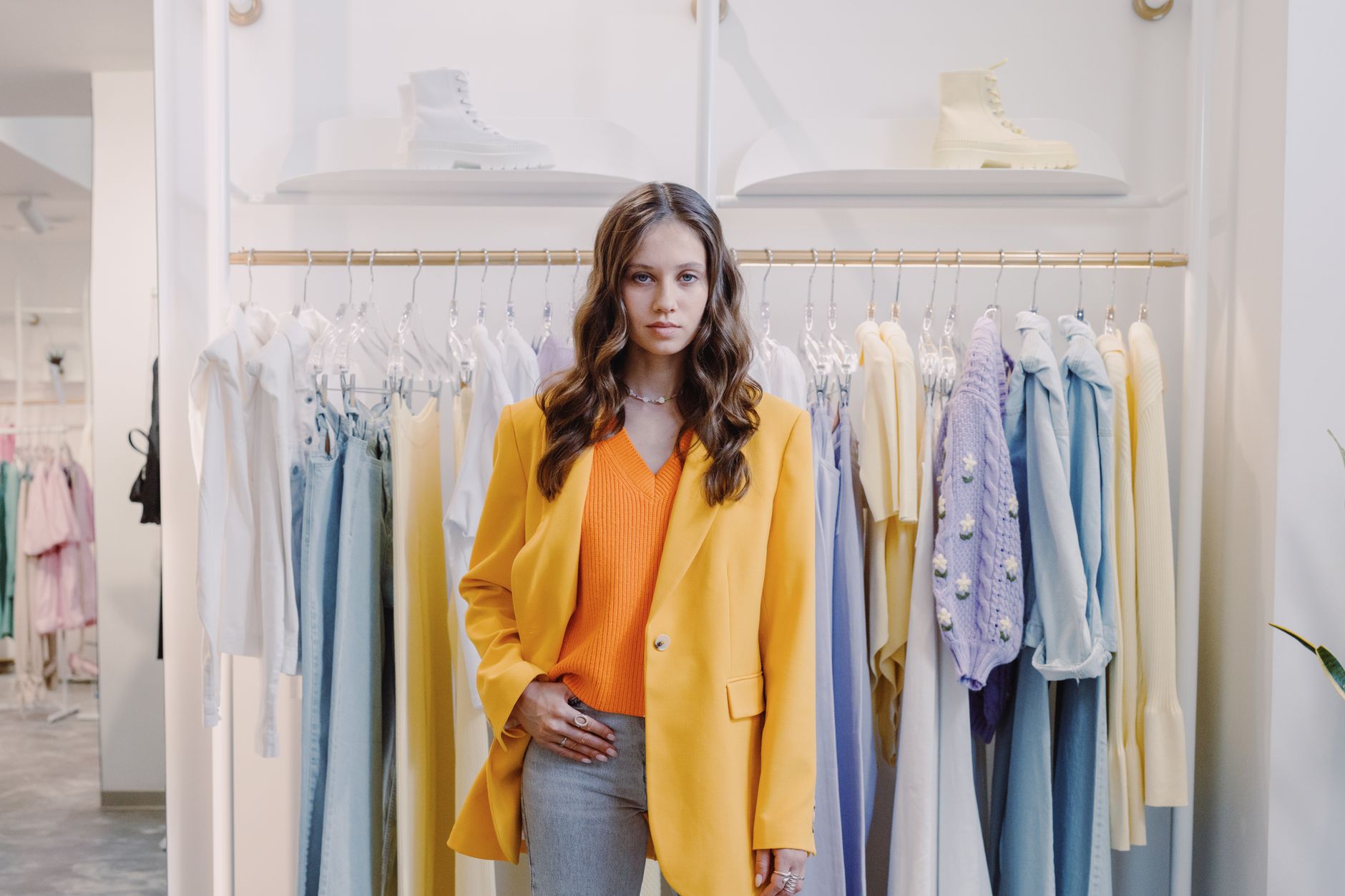
Shopping for fashion can feel overwhelming at times, especially with so many options available. Whether you’re looking for seasonal essentials, shoes, or the latest trends, knowing where to get it all can make your shopping experience smoother and more enjoyable. Here, we’ll explore the best stores, what to expect in terms of prices, and smart shopping tips to help you curate your wardrobe effectively.
This guide aims to navigate you through finding the pieces you need, from classic wardrobe staples to trendy items. We’ll cover various shopping avenues, including high-street retailers, online shops, and sustainable options, while ensuring you make informed choices.
Where To Get It: Finding the Best Stores
The first step to effective shopping is knowing where to go. Here’s a breakdown of the best stores based on categories and styles.
High-Street Retailers
High-street brands are often the go-to choice for trendy and affordable clothing. These retailers usually offer a wide variety of pieces, ensuring you’ll find something for every occasion.
- Zara: Known for its fashion-forward pieces, Zara is a great choice for those looking to stay on-trend without breaking the bank. Expect to see a mix of casual and business attire.
- H&M: This retailer has a solid selection of basics, seasonal trends, and even collaborations with high-end designers. H&M is perfect for building a capsule wardrobe.
- Uniqlo: For stylish essentials with an emphasis on quality and comfort, Uniqlo offers versatile pieces that can be dressed up or down.
Luxury Brands
If you’re interested in investing in higher-quality items, luxury brands usually offer timeless pieces that can elevate your wardrobe.
- Reiss: Ideal for both men’s and women’s workwear, Reiss specializes in tailored outfits that exude professionalism and style.
- Michael Kors: From handbags to stylish athletic wear, Michael Kors provides chic alternatives for any outing or event.
- Burberry: Known for its iconic trench coats, Burberry pieces are timeless and excellently crafted, perfect for injecting luxury into your wardrobe.
Thrift and Vintage Stores
Shopping second-hand is a sustainable and often budget-friendly choice. Thrift stores can yield incredible finds.
- Goodwill: With locations across the country, Goodwill is a great resource for finding unique pieces at unbeatable prices.
- ThredUp: This online thrift store is perfect for browsing a wide selection of gently used clothes without leaving your home.
- Local Vintage Shops: Every city has its own collection of vintage stores. These shops often carry carefully curated selections, making it easier to find one-of-a-kind pieces.
Online Boutiques
Shopping online has become increasingly convenient. Here are some boutiques that specialize in unique styles and fashionable finds.
- ASOS: Offering a vast selection of clothing from various brands, ASOS is perfect for trend-focused shoppers looking for everything from workwear to party dresses.
- ModCloth: Specializing in vintage-inspired clothing, ModCloth is a terrific option for those who appreciate retro aesthetics.
- Etsy: This platform connects you with independent creators who offer handmade and unique fashion items. Shopping here supports small businesses and allows for one-of-a-kind finds.
Understanding Prices: What To Expect
Prices can vary considerably from store to store and are often reflective of quality, brand reputation, and market trends. Here’s a brief overview of what you can generally expect.
High-Street Retailers
In high-street stores, prices typically range from:
- Tops: $15 to $50
- Pants: $25 to $70
- Dresses: $30 to $100
Luxury Brands
For luxury items, anticipate spending significantly more:
- Tops: $100 to $500
- Pants: $150 to $600
- Dresses: $200 to $2,000
Thrift and Vintage Stores
Second-hand stores present a wide range of bargains:
- Tops: $5 to $30
- Pants: $10 to $50
- Dresses: $15 to $100
Smart Shopping Tips
Shopping effectively requires knowledge and strategy. Here are some tips to make the most of your shopping experience.
Know Your Size
To avoid returns and ensure a flattering fit, always check the size chart before purchasing, especially when trying a new brand. Sizing can vary significantly across different retailers.
Invest in Wardrobe Staples
Focusing on versatile, timeless pieces will allow you to mix and match easily. Consider investing in items like:
- A classic white button-down shirt
- A well-fitted pair of dark jeans
- A tailored blazer
- Comfortable shoes that can work in multiple situations
Plan Your Shopping Trips
Before heading out, make a list of what you need. This prevents impulse buying, which often leads to unnecessary purchases.
Check for Quality
High-quality garments not only look better but last longer. Pay attention to:
- Fabric content: Natural fibers like cotton, wool, and linen usually wear better than synthetic ones.
- Stitching: Check seams for uneven stitching or loose threads.
- Care label: Higher-quality clothing typically has more straightforward care instructions.
Building a Capsule Wardrobe
A capsule wardrobe consists of a limited selection of versatile clothing that you love. Here is how to create one:
Select a Cohesive Color Palette
Choose a versatile color scheme consisting of neutral tones and a few accent colors. This will help streamline your outfit choices.
Essential Garments
Your capsule should include:
- Two pairs of trousers (one casual, one formal)
- A fitted blazer
- Several tops (including one dressy and one casual)
- A versatile dress or jumpsuit
- Comfortable footwear
Maximize Outfits
Combine pieces in different ways to create new looks. For instance:
- A dress can be styled with a blazer for work or worn casually with sneakers.
- A fitted t-shirt can be layered under a dress or paired with trousers.
Color Coordination and Layering
Understanding how to coordinate colors can elevate your outfits. Here’s how to approach color and layering.
Color Basics
Start with the color wheel. Use complementary (opposite colors), analogous (adjacent colors), and triadic (three evenly spaced colors) schemes to create cohesive looks.
- Neutral Colors: Black, white, gray, and beige can easily be mixed and matched.
- Accent Colors: Use brighter tones sparingly as accents to keep outfits visually interesting.
Layering Techniques
Layering adds depth and dimension to your outfit, making it more stylish and functional. Here are a few approaches:
- Start with a fitted base layer and build with structured pieces like blazers or cardigans.
- Use scarves or vests for additional depth, adding texture and warmth.
- Pair heavier fabrics with lighter ones to create contrast and balance.
Seasonal Dressing Considerations
Dressing for different seasons requires careful planning. Each season comes with its own set of challenges, from fabrics to layering techniques.
Spring and Summer
Look for breathable fabrics like linen and cotton. Consider bright colors and fun prints to reflect the season’s vibrancy.
- Light dresses paired with sandals work well for casual outings.
- A lightweight blazer with trousers can transition seamlessly from day to evening.
Fall and Winter
Invest in warmer fabrics like wool and cashmere. Utilize layers including thermal undershirts, heavier cardigans, and stylish outerwear.
- A classic trench coat can elevate almost any outfit.
- Pair chunky knit sweaters with tailored pants to balance proportions.
Garment Care and Maintenance
Caring for your clothes is crucial for longevity. Proper maintenance ensures you get the most wear out of your favorite pieces.
Washing Instructions
Always follow the care label. Here are general guidelines for common fabrics:
- Cotton: Machine wash on cold, tumble dry low, and iron as needed.
- Wool: Hand wash in cold water or use the wool cycle on your machine, lay flat to dry.
- Silk: Dry clean or hand wash carefully with a gentle soap, hang to dry away from direct sunlight.
Storage Tips
How you store clothing can impact its lifespan. Tips include:
- Use hangers for jackets and dresses to maintain their shape.
- Fold knitwear to avoid stretching.
- Stash seasonal items in breathable garment bags to prevent damage.
By understanding your shopping options, harnessing smart techniques, and taking care of your wardrobe, you can build a style that’s not just fashionable but truly reflective of you. Whether you’re aiming for a sleek office look or a relaxed weekend outfit, knowing where to get it all helps keep your wardrobe in tip-top shape.
If you’re looking for specific outfit ideas, check out our guides on what to wear for professional headshots for women and what to wear to a tea party for more inspiration on occasion dressing.