
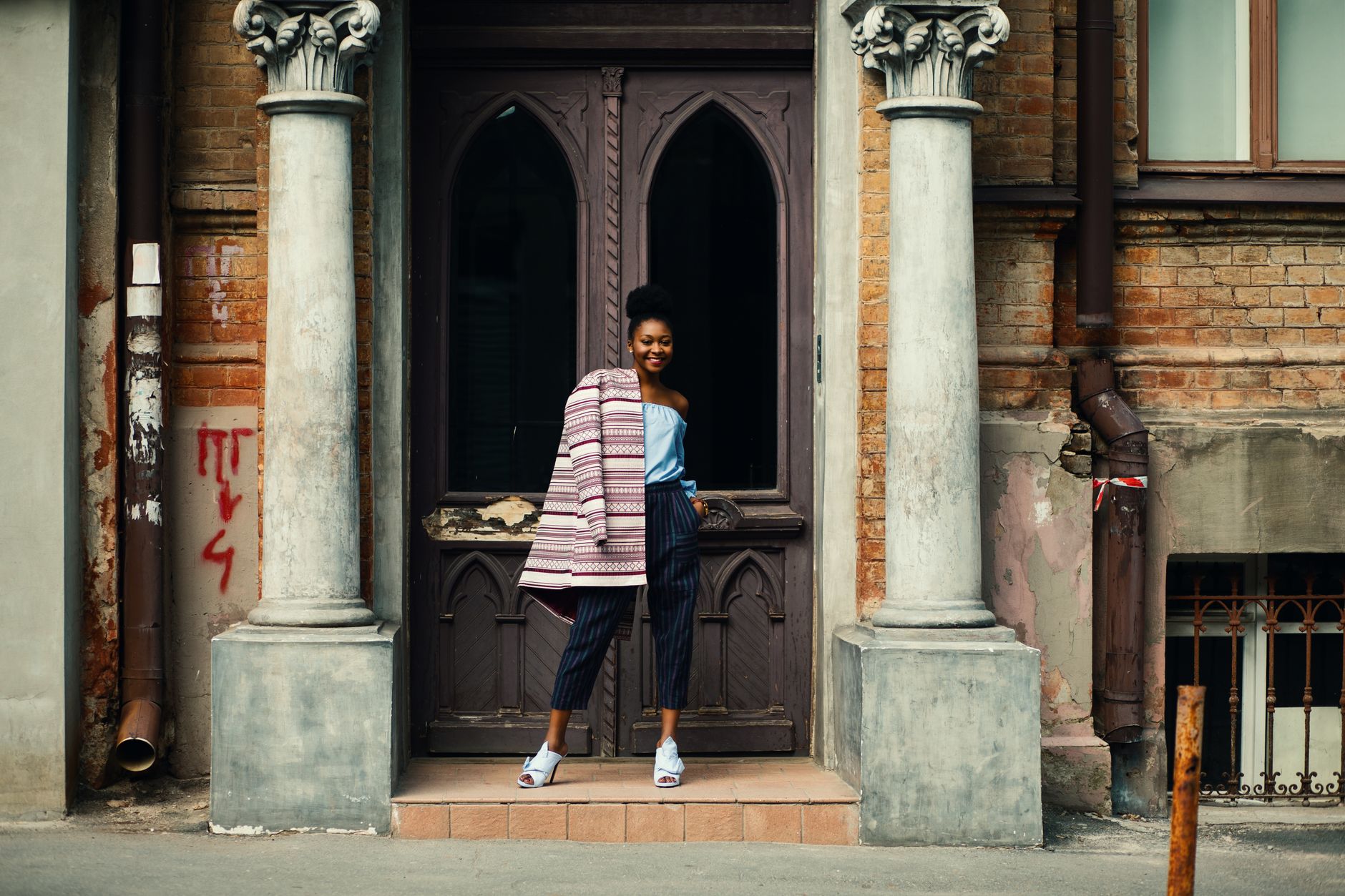
Fashion in the United States is an intricate tapestry woven from diverse influences, trends, and styles. From the chic streets of New York City to the laid-back vibe of California, the U.S. presents a dynamic and ever-changing landscape for fashion enthusiasts. Discovering where fashion truly unites across this vast country can help you refine your personal style and elevate your wardrobe.
This style guide delves into the nuances of American fashion, offering practical tips on fit, outfit combinations, and seasonal styling advice. Whether you’re curating a capsule wardrobe or looking for suggestions on how to mix and match pieces effectively, this guide will equip you with the knowledge to express your unique style confidently.
Where Fashion Unites in the United States of America?
Fashion in the United States combines various regional aesthetics and cultural influences. Major cities act as fashion hubs where trends are born and circulate nationwide. Understanding these influences can help you choose outfits suitable for a variety of occasions and climates.
Exploring Regional Styles
The U.S. is marked by distinct regional fashions influenced by local cultures, lifestyles, and climates. Recognizing these can inform your wardrobe choices.
East Coast Elegance
Places like New York and Boston carry an air of sophistication and classic style. Think tailored suits, neutral palettes, and structured silhouettes.
- Outfit Idea: A tailored navy blazer paired with a crisp white button-down shirt and charcoal trousers creates an elegant and professional look suitable for business meetings.
- Accessorize with: A leather tote bag and loafers for a polished finish.
West Coast Casual
California, with its laid-back lifestyle, emphasizes comfort without sacrificing style. This includes diverse elements ranging from bohemian prints to athleisure wear.
- Outfit Idea: A flowy maxi dress paired with a denim jacket and sandals is perfect for a casual daytime outing.
- Accessorize with: Layered jewelry and a woven crossbody bag to complete the relaxed vibe.
Southern Charm
The South embraces a blend of comfort and tradition with bold patterns and bright colors. This fashion often incorporates classic cuts with a touch of freshness.
- Outfit Idea: A bright sundress combined with espadrilles is lovely for garden parties or brunch with friends.
- Accessorize with: A wide-brimmed hat and statement earrings for that Southern flair.
Midwest Minimalism
The Midwest tends to favor practicality and simplicity in fashion. Essential pieces with clean lines and versatile colors are staples here.
- Outfit Idea: Black high-waisted jeans paired with a white turtleneck and ankle boots are great for a night out or casual day.
- Accessorize with: A structured handbag and a lightweight scarf for texture.
Essential Elements for Your Wardrobe
Creating a versatile and functional wardrobe involves selecting key pieces that can be mixed and matched for various occasions. Below are the fundamental components of a well-curated wardrobe.
Building a Capsule Wardrobe
A capsule wardrobe consists of a few essential pieces that can be combined in countless ways. Here’s how to establish one:
- Start with a color palette: Choose 2-4 main colors and 1-2 accent colors that work well together.
- Select foundational tops: Invest in high-quality white shirts, a few sweaters, and basic tees.
- Include versatile bottoms: A pair of tailored trousers, denim jeans, and a skirt can accommodate multiple styles.
- Incorporate layering pieces: Look for jackets, cardigans, and outerwear that complement your base pieces.
- Choose appropriate footwear: Include a pair of sneakers, elegant shoes, and casual flats to suit various occasions.
- Add accessories: A few statement necklaces, scarves, and belts can transform an outfit.
Fit Matters: Understanding Proportions
Fit is pivotal to looking polished and put together. The right fit highlights your body shape and enhances comfort. Here’s what you should consider when selecting items for your wardrobe:
Understanding Silhouettes
Silhouette refers to the outline of an outfit, and different silhouettes can dramatically change the appearance of your figure. Here are some classic silhouettes:
- A-line: This shape flares out from the waist, flattering many body types.
- Boxy: Offering a relaxed fit, this silhouette is great for casual wear but can be styled elegantly with the right accessories.
- Tailored: A structured silhouette adds polish, making it ideal for workwear or formal occasions.
Finding Your Size
Size can vary significantly between brands, making it essential to check specific size charts. Here are tips for ensuring a good fit:
- Know your measurements: Take measurements of your bust, waist, hips, and inseam to compare them against sizing charts.
- Look for stretch: Fabrics with a blend of spandex or elastane offer comfort and ease of movement.
- Don’t hesitate to tailor: If something doesn’t fit just right, consider visiting a tailor for adjustments.
Color Coordination Basics
Understanding color can elevate your outfit from ordinary to exceptional. Here are two cardinal rules for color coordination:
Complementary Colors
Choose colors that complement each other on the color wheel. Pairing opposite colors creates a visually appealing contrast.
- Examples: Blue and orange, yellow and purple.
Analogous Colors
Analogous colors sit next to each other on the color wheel and create a harmonious look.
- Examples: Blue, blue-green, and green; red, red-orange, and orange.
Layering Techniques for Versatile Outfits
Layering is not only practical—especially in transitional seasons—but also a great way to showcase your style. Here are effective layering techniques:
Start with Basics
A fitted base layer such as a turtleneck or tank top ensures a smooth foundation. Add texture with:
- A lightweight cardigan
- A tailored blazer
- A denim jacket for casual looks
Consider Length and Weight
Mix longer and shorter garments for an engaging silhouette. Pairing a long coat with a cropped top or high-waisted bottoms achieves balance.
Wear Different Textures
Combining textures adds depth to your outfit. For instance, pair knitwear with denim or leather to keep the look interesting.
Seasonal Dressing Made Easy
Adapting your wardrobe to each season keeps your style fresh. Here are guidelines for dressing throughout the year.
Spring and Summer
Focus on light, breathable fabrics like cotton and linen. Bright colors and floral patterns are perfect for warmer weather.
- Outfit Idea: A linen shirt with tailored shorts and espadrilles offers comfort and style for outdoor gatherings.
Autumn and Winter
In cooler months, layering is key. Select warmer fabrics like wool and cashmere to provide insulation without compromising style.
- Outfit Idea: A chunky knit sweater over a long-sleeve shirt, paired with slim-fit jeans and knee-high boots creates a chic winter look.
Workwear vs. Casualwear
Dressing appropriately for work or casual settings is vital. Here’s how to differentiate between the two:
Workwear Essentials
Professional attire should be polished and appropriate for your workplace environment:
- Blazers and structured dresses
- Formal trousers and loafers
- Subdued colors and classic prints
Casualwear Essentials
Casual styles prioritize comfort while maintaining a fashionable edge:
- Always opt for well-fitting jeans or chinos with simple tees.
- Use layers, like a lightweight jacket over a tank.
Occasion Dressing
Understanding the dress code for various occasions enhances your style and confidence. Here’s a breakdown of common dress codes:
Casual
This is the most relaxed dress code, characterized by comfort and personal style. Outfit choices can range from jeans and a t-shirt to sundresses.
Smart Casual
A step up from casual includes neat jeans or smart trousers with a stylish top. You might accessorize with a blazer for a polished look.
Business Casual
This typically allows for khakis or dress pants with a button-up shirt, often accompanied by a blazer. Opt for closed-toe shoes.
Formal
Formal dress codes call for elegant attire. For men, this might mean a suit and tie; for women, a cocktail dress or gown works well.
Footwear Choices to Complete Your Look
Footwear can make or break an outfit. Select shoes that not only match your outfit but also offer comfort and functionality.
Everyday Footwear
Choose versatile options that can transition across casual to smart-casual settings:
- White sneakers: A timeless choice that complements both jeans and dresses.
- Loafers: Ideal for work or outings.
Special Occasion Shoes
For formal occasions, consider footwear that enhances your attire while allowing you to stand comfortably:
- Pumps or elegant heels: Great for formal dresses or business attire.
- Dress boots: Perfect for winter events when paired with thicker fabrics.
Accessorizing Your Outfit
Accessories can elevate any look, adding a personal touch. Here’s how to use them effectively:
Jewelry
Choose pieces that complement rather than overwhelm your outfit.
- Minimalistic necklaces or earrings work with both casual and formal attire.
- Layered pieces let you showcase individuality.
Bags
The right bag can not only enhance your outfit but also serve a functional purpose.
- A structured tote is perfect for work.
- A crossbody bag is practical for weekends.
Fabric & Garment Care
Understanding fabrics is key to wardrobe longevity. Different materials require varied care:
Common Fabrics
- Cotton: Soft, breathable, and easy to care for.
- Wool: Provides warmth; check care labels, as it may require dry cleaning.
- Polyester: Durable and resistant to wrinkles, but check washing instructions.
Garment Care Tips
- Always follow the care label for washing instructions.
- Wash dark colors separately to prevent bleeding.
- Store garments properly: Use padded hangers for delicate items and fold heavier sweaters to avoid stretching.
A Focus on Gender-Inclusive Style
Fashion should be about self-expression, regardless of gender. Embrace inclusivity in your wardrobe by incorporating a variety of styles and fits.
Unisex Fashion
Unisex pieces often blend practicality with contemporary style. Here are choices that work across genders:
- Oversized silhouettes: Baggy t-shirts and roomy pants are comfortable and adaptable.
- Layering options: Unisex jackets and sweaters can fit an array of body types.
Conclusion
Exploring where fashion meets personal style in the United States enhances your wardrobe choices and allows for individualized expression. With the right fit, an appreciation for fabrics, and a keen eye for occasion-appropriate selections, dressing becomes an empowering experience. Start by incorporating an outfit combination or checking fit and fabric care as a next step in refining your style.
For more inspiration, check out our guides on what to wear as a wedding guest or how to style wide-leg jeans to increase your fashion knowledge.