
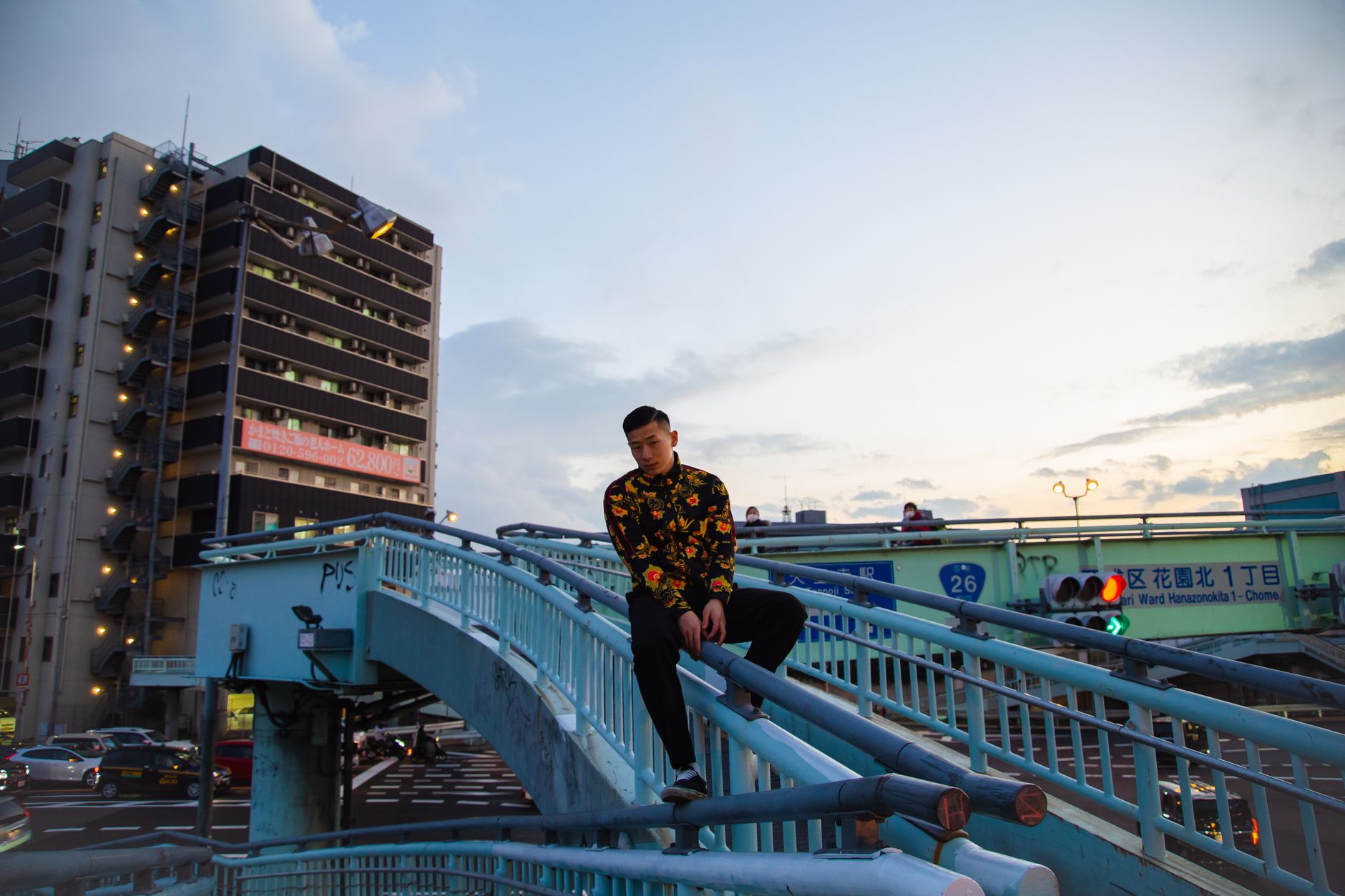
Japan is a fashion-forward nation with a unique style identity that reflects both traditional and contemporary influences. From street style in Tokyo to elegant ensembles in Kyoto, Japanese fashion offers a rich tapestry of aesthetics and inspirations. This guide will help you navigate the fascinating world of Japanese fashion, covering everything from outfit ideas to essential wardrobe pieces.
Whether you are looking for practical tips on styling or wish to delve into the history of Japanese fashion, this article provides insights that will elevate your personal style. With a focus on fit, fabric choices, and seasonal dressing, you’ll find the tools you need to express your individuality through fashion.
Where Fashion Japan?
Japan’s fashion scene is characterized by its diversity, blending local artistry with global trends. To effectively embrace and wear Japanese fashion, it’s essential to understand its key components, which include silhouette, layering techniques, and a careful selection of fabrics. This section will provide a comprehensive look at how to incorporate Japanese fashion into your wardrobe.
Understanding Japanese Aesthetics
Japanese fashion is influenced by various factors, including history, culture, and even geography. It is often marked by a few distinctive features:
- Minimalism: Clean lines and simplicity often dominate Japanese designs, promoting a less-is-more philosophy.
- Layering: Mastering the art of layering can elevate any outfit, allowing for versatility and comfort.
- Texture and Fabric: High-quality fabrics and unique textures are essential in Japanese fashion, enhancing the overall aesthetic of an outfit.
- Cultural Influences: Traditional garments like kimonos continue to inspire contemporary design.
Key Pieces for a Japanese-Inspired Wardrobe
To incorporate Japanese fashion into your wardrobe, focus on a few essential pieces that can be mixed and matched. Here are some staples to consider:
- Kimono Jacket: A versatile outer layer that adds elegance and comfort to any outfit.
- Wide-Leg Trousers: These provide both style and comfort, making them a great alternative to typical denim.
- Culottes: Perfect for warmer weather; they offer a smart, clean silhouette.
- Turtlenecks: Ideal for layering, they are a staple in Japanese fashion.
- Graphic Tees: Showcase a bold statement, often reflecting Japanese pop culture.
- Canvas Sneakers: For a casual look, these provide comfort and a touch of youthful style.
Creating Versatile Outfits
Knowing how to style these essential pieces is key to developing a wardrobe that reflects the spirit of Japanese fashion. Here are some outfit ideas:
Casual Outing
For a casual day out, consider the following combination:
- Start with a graphic tee—choose one that resonates with your personal style.
- Add wide-leg trousers in a neutral tone for comfort and balance.
- Layer with a kimono jacket for an easy and breezy look.
- Finish with canvas sneakers for a complete casual feel.
Office Style
For a smart look suitable for work, opt for:
- A classic turtleneck in a neutral color, perfect for layering.
- Pair it with tailored culottes to maintain a professional yet fashionable vibe.
- Add a fitted blazer for structure and sophistication.
- Choose loafers or dress shoes to enhance the overall polish.
Evening Ensemble
For evening events, consider this elegant look:
- Start with a silk camisole for a touch of luxury.
- Layer a dramatic kimono jacket that has beautiful prints or textures.
- Choose high-waisted trousers for a chic silhouette.
- Complete with elegant heels and statement accessories to elevate your outfit.
Color Coordination and Patterns
Understanding color coordination is vital in achieving a balanced and stylish look. Japanese fashion often embraces subtle hues and sophisticated patterns. Here are some tips to master color and pattern combinations:
- Monochromatic Looks: Dressing in different shades of the same color can create a sleek, elongated silhouette.
- Contrasting Colors: Using opposing colors from the color wheel can add vibrancy to your outfit.
- Textured Fabrics: Mix textures like linen with cotton or silk to create an inviting visual interest.
- Subtle Patterns: Incorporate gentle patterns like stripes or florals to maintain a sophisticated look without overwhelming the senses.
Layering Techniques
Layering is a signature element of Japanese fashion, allowing for creativity and adaptability. Here are some techniques to consider:
- Start with Basics: Begin with a simple base layer, like a fitted tee or turtleneck.
- Add Depth: Incorporate a mid-layer, such as a cardigan or oversized shirt, for added warmth and style.
- Top Layer: Complete your look with an outer garment, like a kimono or a lightweight trench coat.
- Balance Proportions: If one piece is oversized, complement it with more fitted items to maintain a balanced silhouette.
Fashion for Every Occasion
When dressing for specific occasions in Japan, consider these guidelines:
Workwear
Work attire varies greatly in Japan, but generally, opting for tailored and neutral pieces is a safe direction. Think blazers, tailored trousers, and subtle accessories for a polished look. Comfort is important, especially for long hours, so choose materials that allow for movement.
Casual Outings
For relaxed weekends, embrace a more laid-back style with relaxed fits and playful patterns. Comfortable sneakers, versatile denim, or casual dresses can set the tone for a fun day out.
Formal Events
For formal events, luxurious materials like silk or chiffon are ideal. Gowns, tailored suits, or even traditional kimonos can add a cultural touch. Pay attention to accessories to enhance your look without overpowering it.
Seasonal Dressing
Japanese climate varies from cold winters to hot summers, so tailoring your outfits to the seasons is important:
- Spring: Light layers with floral prints and soft pastels work wonderfully.
- Summer: Breathable fabrics like cotton and linen will keep you cool. Consider loose-fitting garments.
- Autumn: Layering is key. Combine a light sweater, scarf, and lightweight coat as temperatures drop.
- Winter: Opt for heavier fabrics, such as wool or puffer jackets. Ensure your clothing offers both warmth and style.
Fabrics to Consider
Japanese fashion often emphasizes high-quality fabrics, which not only enhance the look but also contribute to comfort. Here are some popular options:
- Silk: Known for its luxurious feel and elegant drape, ideal for formalwear and special occasions.
- Linen: Breathable and lightweight, perfect for casual summer outfits.
- Cotton: Versatile and easy to care for, a staple in various garment types.
- Wool: Great for warmth and structure, especially in autumn and winter wardrobes.
Garment Care Tips
To maintain the longevity of your clothing, proper garment care is essential:
- Follow Care Labels: Always adhere to specific washing instructions on care labels to avoid damaging the fabric.
- Dry Cleaning: For delicate fabrics like silk, consider using professional dry cleaning.
- Regular Washing: For cotton and linen, gentle cycles can help preserve the garment’s shape.
- Storage: Store seasonal items in breathable garment bags to protect against dust and wear.
Shopping for Japanese Fashion
Shopping for Japanese fashion can be an exciting journey. While you can find stores around the world, consider these options:
- Local Boutiques: Quaint shops often carry unique local pieces that may not be available through major retailers.
- Department Stores: In bigger cities like Tokyo, department stores host numerous Japanese brands catering to all styles.
- Online Shopping: Many brands now offer international shipping and have online platforms where you can explore collections.
The Intersection of Fashion and Culture
Japanese fashion is deeply intertwined with cultural expression. Traditional garments like kimonos serve as a reminder of the rich historical roots of Japanese style. Today, many designers draw on these traditional elements and reinterpret them through modern lenses, encouraging new generations to appreciate and adopt elements of their cultural heritage.
Embracing Individuality
One of the strongest principles in Japanese fashion is the encouragement of personal expression. The idea is to create outfits that represent who you are. Experiment with combinations of styles, colors, and fabrics until you find what feels right for you. Incorporate personal items, heirlooms, or unique accessories to make each outfit distinctly yours.
Fashion is an evolving journey that should be fun and expressive. With the principles and ideas laid out in this guide, you can confidently embrace Japanese fashion and create a wardrobe that reflects both your personal style and appreciation for the rich tradition behind it.
As you embark on your fashion journey, try layering your outfits, mixing textures, or playing with colors to discover what suits you best. For more insights, explore our guides on what to wear while traveling in Japan or learn about the brand Uniqlo, which highlights Japanese style in everyday wear.
Discover more outfit ideas, styling tips, and fashion guides to enhance your wardrobe today!