
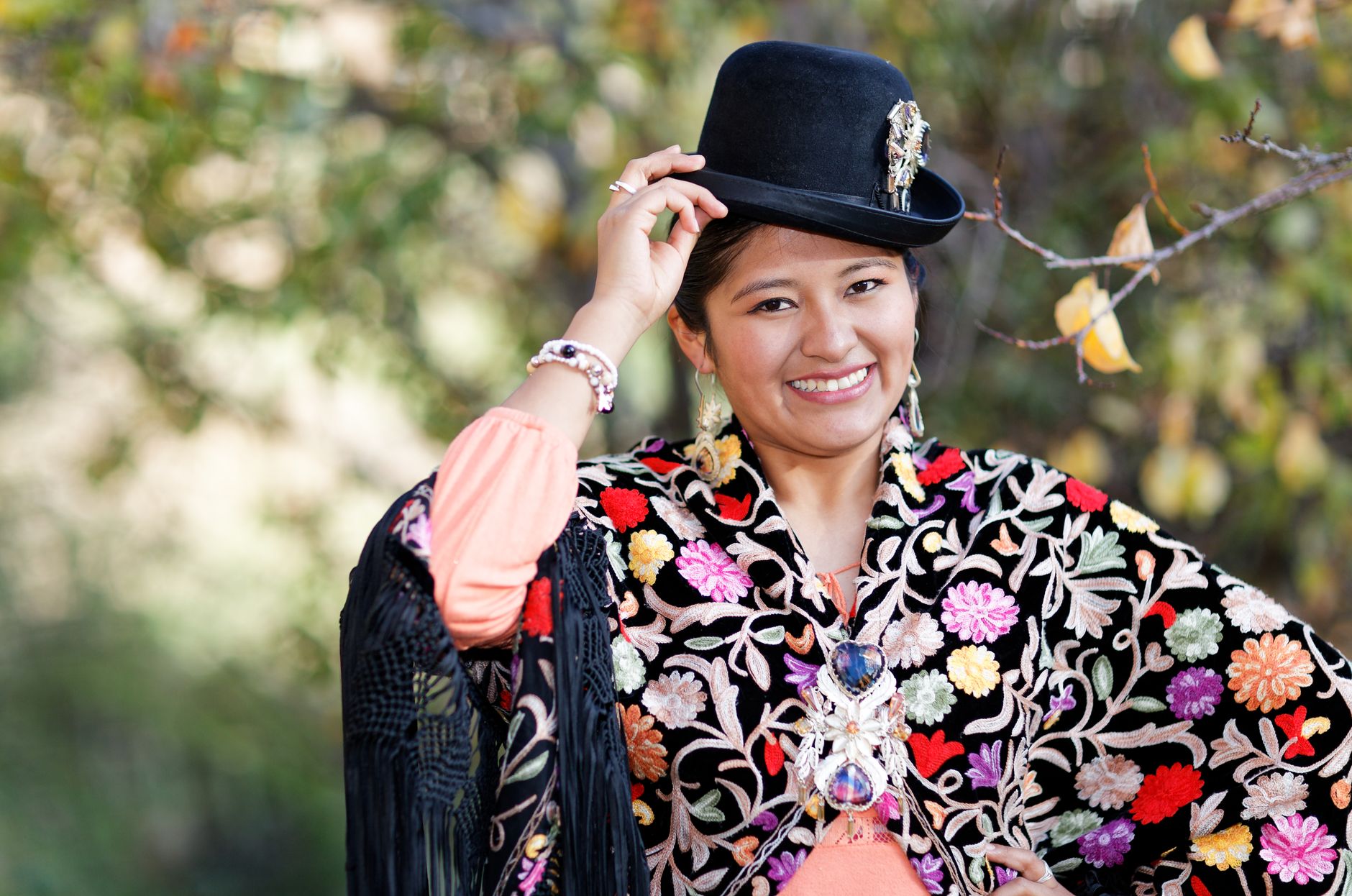
Bolivia’s rich cultural heritage and stunning landscapes inspire a unique fashion scene that marries tradition with contemporary style. From the vibrant textiles of indigenous artisans to modern urban aesthetics, exploring fashion in Bolivia offers a diverse array of options for every occasion.
This guide walks you through essential style tips, outfit combinations, and wardrobe essentials that reflect Bolivia’s fashion ethos, helping you create looks that effortlessly blend elegance with cultural significance.
Where Fashion Bolivia?
Fashion in Bolivia is characterized by a blend of traditional craftsmanship and contemporary trends. You’ll find vibrant colors, intricate patterns, and a strong connection to cultural heritage that informs modern Bolivian style. This guide will help you navigate different aspects of Bolivian fashion, from outfit inspirations to wardrobe planning.
Understanding Bolivian Fabrics and Textiles
The fabric culture in Bolivia is deeply rooted in tradition. Many clothing pieces reflect the artistry of local weavers who skillfully use ancestral techniques. Here are some key fabrics that you might encounter:
- Acrylic and Polyester: Widely used due to their affordability and durability, these synthetic fabrics often mimic the look of natural fibers.
- Alpaca Wool: Known for its softness, warmth, and hypoallergenic properties, Alpaca wool is often used in high-quality sweaters, shawls, and traditional ponchos.
- Cotton: A favored choice for its breathability, cotton is often found in summer clothing and casual wear.
- Hand-woven Textiles: Featuring vivid colors and intricate patterns, these textiles represent the diverse cultural backgrounds of the Bolivian people.
Outfit Ideas for Various Occasions
Bolivia offers a vibrant backdrop for various occasions, and your wardrobe should reflect this cultural richness. Here are a few outfit ideas for different settings:
Causal Wear
For everyday casual outings, consider combining traditional elements with modern pieces for a comfortable yet stylish look.
- Outfit Combination 1: Pair a breathable cotton white blouse with high-waisted wide-leg denim jeans and accessorize with a colorful hand-woven belt. Complete the look with strappy sandals.
- Outfit Combination 2: Opt for a loose-fitting tunic top in a vibrant print paired with linen shorts and comfortable espadrilles. A woven basket tote adds a cohesive touch.
Workwear
In Bolivia’s evolving work environments, blending professionalism with cultural elements is key.
- Outfit Combination 1: A tailored blazer in a neutral color paired with a traditional patterned blouse and straight-leg black trousers. Pointed-toe flats keep the outfit polished.
- Outfit Combination 2: A knee-length pencil skirt with an embroidered blouse tucked in, complemented by a lightweight scarf with indigenous prints.
Formal Wear
For festive events or formal gatherings, investment in quality pieces that showcase cultural craftsmanship is a wise choice.
- Outfit Combination 1: An elegant floor-length dress featuring Bolivian embroidery paired with sleek heels. Accessorize minimally to let the dress stand out.
- Outfit Combination 2: A tailored suit with a twist—choose fabrics featuring traditional patterns. A crisp white shirt and colorful tie can complete this sophisticated look.
Seasonal Dressing
Bolivia’s diverse climate—from the high altiplano to the tropical lowlands—calls for thoughtful seasonal dressing. Here’s how to navigate varied climates:
Summer
In hot weather, breathable fabrics are essential.
- Choose loose-fitting cotton or linen garments that allow air circulation.
- Opt for light-colored clothing to reflect the sun’s rays, paired with comfortable sandals.
Winter
For chilly weather, layering is key, particularly in higher altitudes.
- Start with a thermal layer, then add a soft alpaca cardigan or poncho. Pair with tailored trousers and closed-toe shoes for warmth.
- Choose accessories, such as knitted hats and gloves, to keep you cozy while adding a cultural touch.
Building a Capsule Wardrobe
A capsule wardrobe focuses on quality over quantity, allowing versatility and easy integration of both traditional and modern pieces. Here are essential items to consider:
- Classic White Blouse: This can transition from casual to work-ready with ease.
- Tailored Blazer: Perfect for layering, a blazer can formalize any outfit while providing structure.
- High-Waisted Trousers: Flattering and fashionable, these trousers can be dressed up or down.
- Traditional Poncho: This piece pays homage to Bolivian culture and doubles as a statement layer.
- Quality Footwear: Invest in versatile shoes such as flats, sandals, or ankle boots that complement various outfits.
Color Coordination and Textiles
Color plays a significant role in Bolivian fashion, often reflecting the local environment and cultural heritage. When coordinating colors:
- Consider nature’s palette: earthy tones like browns, greens, and deep reds contrast beautifully with vibrant accessories.
- Layering contrasting colors can add depth, such as pairing a colorful patterned skirt with a solid, neutral top.
- Your outfit can reflect Bolivia’s vibrant markets by combining bright hues and bold patterns, as long as there’s a focal piece.
Accessorizing with Purpose
Accessories are crucial in Bolivian fashion, serving both aesthetic and functional purposes. Consider the following:
- Jewelry: Silver and gold pieces featuring traditional designs can amplify any outfit.
- Scarves: Use a scarf adorned with local prints as a head wrap or around the neck for added interest.
- Bags: Woven bags made from natural fibers provide both style and utility, suitable for various occasions.
Garment Care for Longevity
To maintain the beauty of your Bolivian garments, proper care is essential:
- For wool and alpaca garments, always check the care label for specific washing instructions. Handwashing in cold water is often recommended.
- Avoid harsh detergents which can damage delicate fabrics. Opt for gentle cleaners instead.
- Air-dry garments flat to prevent stretching, especially for heavier pieces.
- Store clothing in a cool, dry place, away from direct sunlight to keep colors vibrant.
Fashion History and Cultural Significance
The evolution of Bolivian fashion ties closely with its cultural history. From the pre-colonial era featuring indigenous textiles to contemporary adaptations, it reflects the country’s heritage.
In the past, clothing indicated status and identity, with specific designs reflecting different regions and indigenous groups. Today, the fusion of these traditional elements with modern aesthetics marks a significant shift, leading to a unique fashion identity that celebrates cultural roots.
Where to Shop for Bolivian Fashion
Whether you are in Bolivia or shopping online, explore options that offer both modern and traditional pieces:
- Local markets like the Witches’ Market in La Paz, where artisans sell handcrafted textiles and clothing.
- Ethical fashion brands focusing on sustainable practices and traditional motifs.
- Online retailers that specialize in Bolivian fashion or represent local artists, ensuring access from anywhere.
Adapting Fashion for Inclusivity
In Bolivia, fashion is becoming increasingly inclusive. Styles that accommodate various sizes and preferences are gaining popularity:
- Brands are creating garments that are not gender-specific, enabling self-expression for all.
- Consideration for cultural practices, such as modesty, is being woven into modern designs.
- As fashion evolves, embracing eclectic styles allows individuals to express their uniqueness without boundaries.
Exploring fashion in Bolivia is more than just a pursuit of style; it’s an appreciation of the culture and people who contribute to this vibrant landscape. By understanding the fabrics, colors, and cultural significance, you can create looks that resonate personally while honoring Bolivia’s rich heritage.
Ready to enhance your wardrobe? Consider integrating some vibrant traditional patterns or investing in quality textiles. For more inspiration, check out tips on how to style linen pants or learn how to style wide leg pants for versatile looks.