
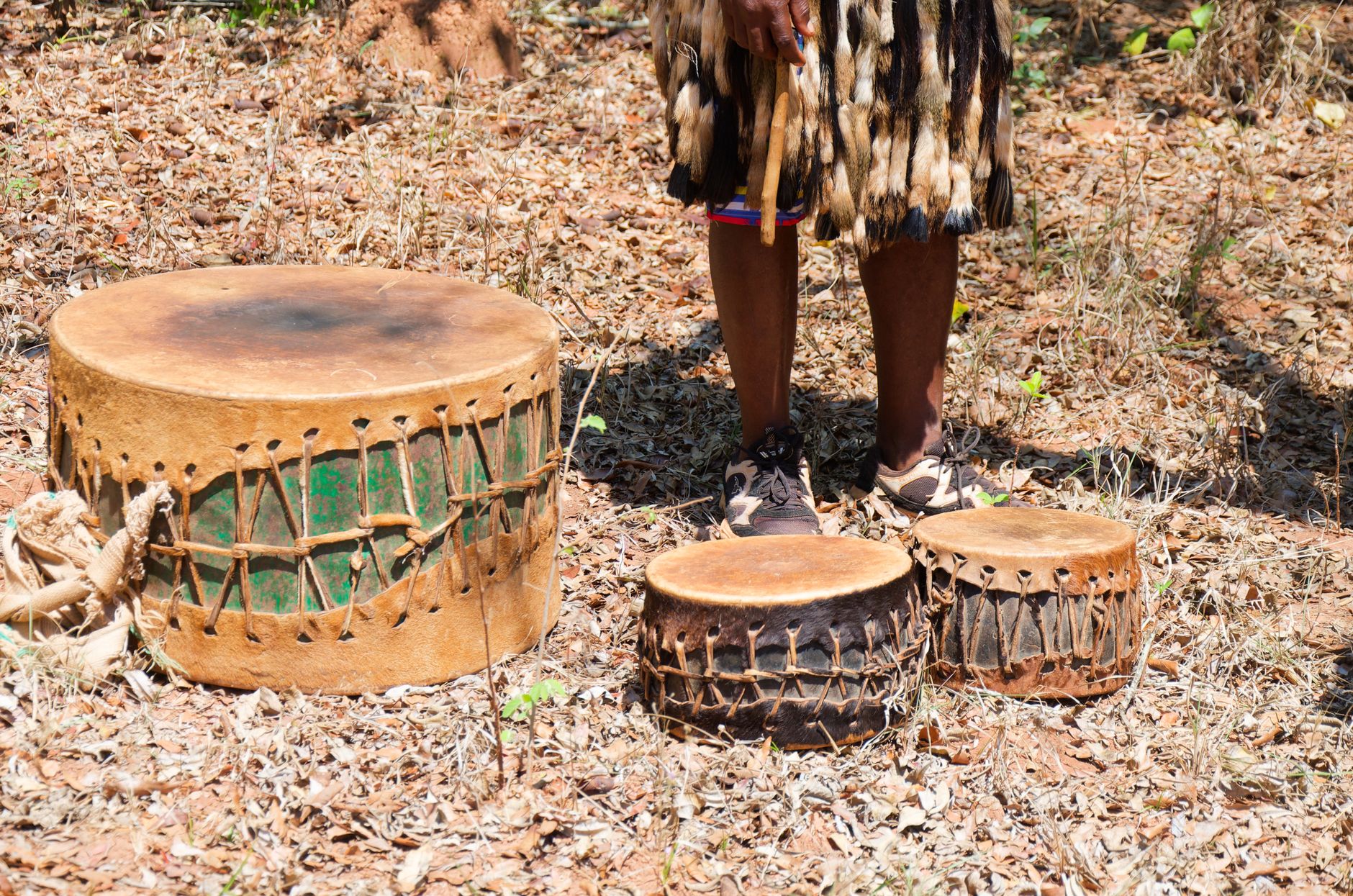
Fashion in Zimbabwe is a vibrant tapestry woven from rich cultural heritage, historical influences, and evolving contemporary style. This article delves into the history, notable milestones, and practical style guidance to help you navigate contemporary Zimbabwean fashion with ease and confidence.
From traditional garments to modern interpretations, understanding Zimbabwean fashion is essential for any wardrobe update. Explore our comprehensive guide that celebrates the unique fusion of styles, encourages self-expression, and offers tips for curating a versatile wardrobe that reflects your personal style.
What is the history and evolution of fashion in Zimbabwe?
The history of fashion in Zimbabwe is deeply rooted in its diverse cultures and traditions. Traditional clothing, often made from hand-woven fabrics and adorned with intricate beadwork, played a significant role in expressing identity and social status. During the colonial period, Western fashion began to influence local clothing styles.
Post-independence in 1980 marked a pivotal moment in Zimbabwe’s fashion landscape. Designers embraced nationalism by incorporating traditional motifs, colors, and fabrics in their collections. Over the decades, the fashion industry has continued to thrive, evolving with global trends while maintaining a connection to cultural heritage.
Timeline of Zimbabwean Fashion Development
- Pre-colonial Era: Traditional garments like the ‘kaross’ and ‘naga’ showcased local weaving techniques and symbolic patterns.
- Colonial Period (Late 19th Century – 1960s): Introduction of Western fashion led to a blend of traditional and European styles.
- Post-independence (1980): A resurgence of traditional aesthetics in clothing as a statement of cultural pride.
- 1990s – 2000s: Emergence of local designers and fashion events, with streetwear gaining popularity among the youth.
- Present Day: A vibrant fashion scene influenced by global trends, digital media, and entrepreneurship.
What should you include in a Zimbabwean-inspired wardrobe?
Creating a wardrobe inspired by Zimbabwean fashion combines traditional elements with modern styles. Here are some essentials to consider:
- Chitenge Fabrics: These brightly colored printed fabrics are synonymous with Zimbabwean fashion. Use them for skirts, blouses, or wrap dresses.
- Traditional Jewelry: Beaded necklaces, bracelets, and earrings can elevate any outfit while honoring cultural heritage.
- Tailored Jackets: Structured pieces can effectively blend with casual looks, providing versatility for a range of occasions.
- Comfortable Footwear: Both sandals and slip-on shoes are essential for a relaxed yet stylish everyday look.
- Seasonal Layers: Since Zimbabwe has a warm climate, lightweight layers like cardigans or shawls can help transition outfits from day to night.
Outfit Ideas Influenced by Zimbabwean Fashion
Here are some practical outfit combinations that merge traditional aesthetics with modern styling, suitable for various occasions:
Casual Day Out
- Top: A simple white cotton blouse.
- Bottoms: A vibrant chitenge wrap skirt.
- Shoes: Comfortable sandals.
- Accessories: Wooden bangles and a beaded necklace.
This ensemble is perfect for a casual day out in the city, allowing you to express individuality while staying comfortable.
Workwear
- Top: A crisp button-up shirt in a muted tone.
- Bottoms: Tailored black trousers.
- Outerwear: A structured blazer.
- Shoes: Closed-toe heels or loafers.
- Accessories: Minimalist earrings and a slim tote bag.
This outfit exudes professionalism and confidence, ideal for meetings and office settings.
Formal Occasion
- Dress: A knee-length A-line dress made from traditional fabric.
- Shoes: Elegant strappy heels.
- Outerwear: A shawl or wrap.
- Accessories: Statement earrings and a clutch bag.
This look beautifully blends elegance with a nod to cultural heritage, making it suitable for weddings or formal gatherings.
Weekend Brunch
- Top: A vibrant chitenge off-shoulder top.
- Bottoms: Distressed denim shorts.
- Shoes: Slip-on espadrilles.
- Accessories: Oversized sunglasses and a woven bag.
This casual yet chic outfit is perfect for a relaxed weekend brunch, merging comfort and trendy elements.
Understanding Color Coordination in Zimbabwean Fashion
Color plays a vital role in Zimbabwean fashion, with bright hues often used to express vibrancy and personality. Here are some tips for effective color coordination:
- Complementary Colors: Pair bold colors like bright reds with softer tones like beige or white to balance your look.
- Print Mixing: Don’t shy away from mixing various prints. When done mindfully, it adds depth to your outfit.
- Neutral Base: Build outfits around neutral colors like blacks, whites, and greys to allow statement pieces to shine.
- Occasion Appropriateness: Choose colors that reflect the mood of the occasion. Lighter colors are often favored for daytime, while darker or richer tones work well for evening events.
Layering Techniques for Different Seasons
Zimbabwe’s climate typically ranges from warm to hot, but layering can still enhance your outfits while adding versatility.
- Warm Weather: Opt for lightweight layers such as a breathable cardigan or lightweight kimono over a tank top or sundress. This allows for easy removal when temperatures rise.
- Cooler Days: Incorporate long-sleeve shirts or blouses under dresses. Pair them with a light jacket for warmth without bulk.
- Evening Layers: As the temperature drops, consider carrying a chic shawl or wrap that complements your outfit for added warmth.
How to Care for Your Garments
- Read Care Labels: Always follow the manufacturer’s care instructions, including washing temperatures and drying methods.
- Wash Fabrics Separately: Dark colors should be washed separately from lighter fabrics to prevent color bleeding.
- Hand Wash When Possible: For delicate items like chitenge, hand washing can help preserve the integrity of the fabric.
- Air Dry: Avoid tumble drying. Instead, lay flat or hang your garments to dry in the shade to prevent fading.
- Store Safely: Use padded hangers or store folded items in breathable garment bags to avoid creasing.
Fashion History and Influences on Zimbabwean Style
Understanding the fashion history of Zimbabwe provides a foundation for appreciating its contemporary relevance. Colonial influences altered traditional attire, prompting a response that blended global styles with local heritage. Today, designers draw inspiration from historical motifs, using them in innovative ways to create unique pieces that reflect a new narrative.
The current fashion landscape emphasizes sustainability, entrepreneurship, and representation, giving new life to the industry and empowering local creators.
Shopping for Zimbabwean Fashion
When navigating shopping for Zimbabwean fashion, consider the following tips:
- Explore Local Markets: Markets are treasure troves for finding authentic chitenge and handcrafted items that represent true Zimbabwean style.
- Support Local Designers: Look for boutiques or online platforms showcasing local talent. You’ll find unique pieces that embody cultural narratives.
- Check Sizing: Sizing may vary considerably. Always try on garments or refer to size charts when shopping offline or online.
- Consider Second-Hand Stores: Thrift stores and consignment shops often have one-of-a-kind pieces that can add character to your wardrobe.
- Focus on Versatility: Aim for pieces that can be mixed and matched with various outfits to create multiple looks from fewer items.
Gender-Inclusive Style Approaches
In recent years, gender-inclusive fashion has gained traction in Zimbabwe. There is an encouraging trend toward breaking down traditional gender norms in clothing, allowing individuals to express themselves freely. Here’s how to adopt gender-inclusive styles:
- Unisex Pieces: Look for clothing designed to fit a range of body types, such as oversized shirts or structured trousers.
- Layering Techniques: Consider using layering as a way to incorporate a versatile style that suits everyone, regardless of gender identity.
- Accessories: Accessories like scarves, bags, and jewelry can be used by anyone to enhance their personal style.
- Comfort First: Prioritize comfort when selecting garments. Choose items that allow you to move freely and confidently.
Footwear Trends in Zimbabwe
Footwear choices are essential for completing any outfit, and Zimbabwe offers a variety of options that meld comfort and style.
- Sandals: Ideal for warm days and can be paired with both casual and formal attires.
- Sneakers: A popular choice among the youth, perfect for both street style and casual looks.
- Formal Shoes: Invest in a pair of classic loafers or oxfords for a polished work ensemble.
- Traditional Footwear: Consider incorporating traditional sandals for an authentic touch.
Accessories to Elevate Your Outfit
Accessories are the finishing touch to any outfit. Here are some must-have accessories to consider for a complete Zimbabwean-inspired look:
- Statement Jewelry: Bold necklaces or chunky bracelets made from local materials can enhance simple outfits.
- Hats: Wide-brimmed hats are not only fashionable but also practical for sun protection during the hotter months.
- Belts: Incorporating a vibrant belt can cinch waists on oversized outfits while adding a pop of color.
- Handbags: Look for bags made from local materials, promoting sustainability and craftsmanship.
Fashion brings an incredible opportunity for self-expression and connection to cultural roots. Understanding and embracing Zimbabwean fashion can open up a world of creativity, inspiring you to curate a unique wardrobe. By blending traditional elements with modern pieces, you propel the narrative of Zimbabwean fashion forward.
Start your journey by incorporating one of the suggested outfit combinations into your wardrobe, and take the first step towards celebrating Zimbabwean heritage through fashion. Explore styling tips, outfit ideas, and more at how to style linen pants or discover how to style wide leg pants for additional outfit inspiration.