
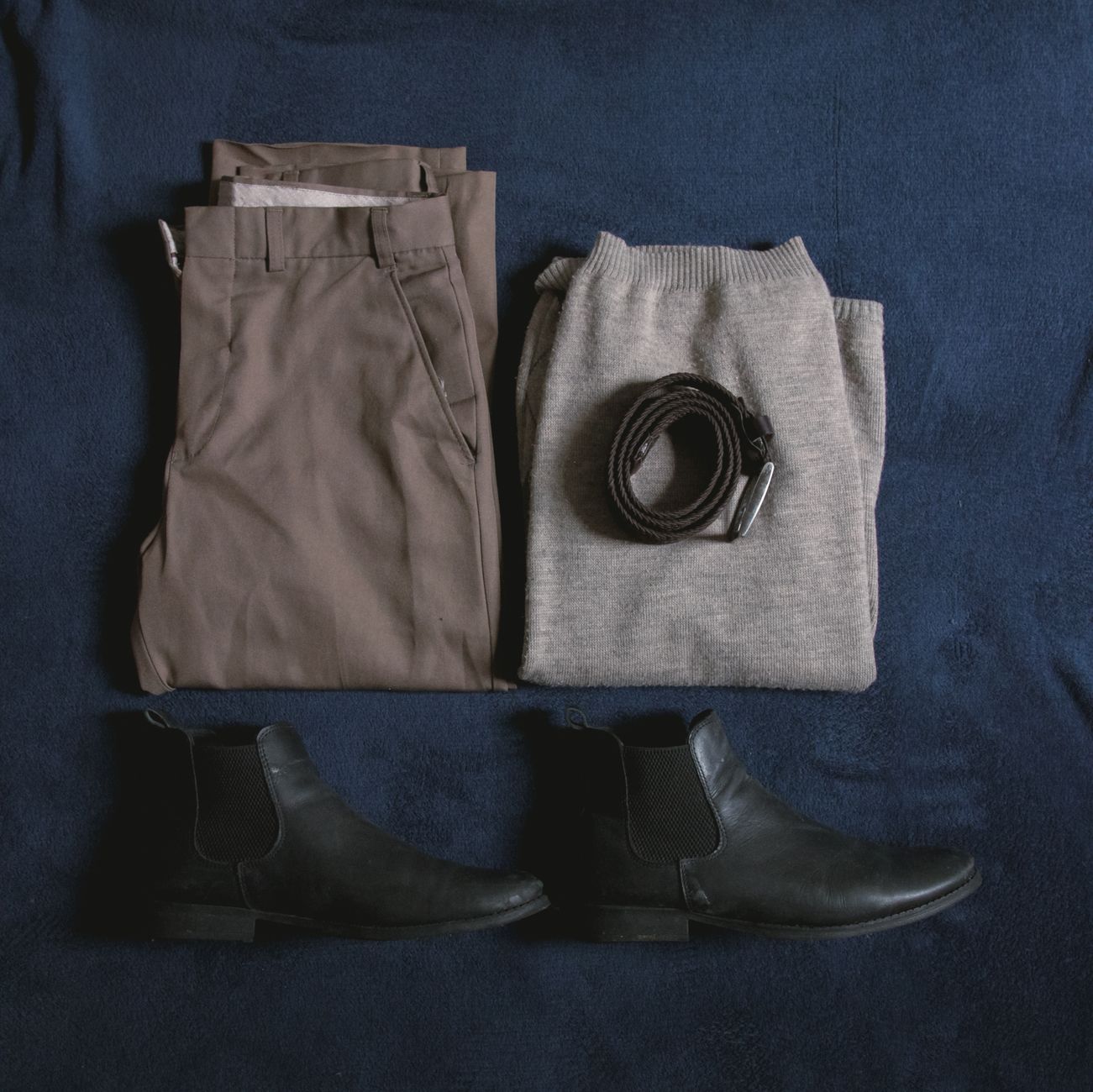
Fashion is an ever-evolving realm where history, culture, and personal style intertwine. The phrase “When Fashion Smith, Gaines and Smith” may evoke thoughts of three distinct influences in style evolution. Understanding these influences helps us navigate our current options for expressing individuality through wardrobe choices. Let’s explore the historical context and how these elements can inspire modern fashion.
In this guide, we will delve into the principles established by influential figures in fashion history, shedding light on how their philosophies can inform wardrobe essentials, outfit assembly, and individual style. We will discuss key elements such as color coordination, layering techniques, and seasonal dressing, offering practical tips to elevate your fashion game.
What Does “When Fashion Smith, Gaines and Smith” Mean?
The phrase reflects important movements and styles that have shaped the world of fashion. “Smith,” often synonymous with craftsmanship and tailoring, may suggest a focus on skilled garment construction, a notion that can be traced back to the artisanal roots of fashion. “Gaines” could reference the importance of aesthetic gain in fashion, emphasizing the visual appeal and the transformative nature of clothing. Together, they hint at an integration of artisanal quality and visual impact, which remains relevant today.
Understanding these concepts allows one to appreciate how historical significance applies to contemporary wardrobes. Each era contributes to how we perceive and choose our clothing, impacting everything from silhouette to fabric choice.
The Historical Context of Fashion
The evolution of fashion is deeply intertwined with social and cultural changes throughout history. The Industrial Revolution introduced ready-to-wear clothing, altering how garments were produced and consumed. Tailoring, craftsmanship, and an emphasis on fit became paramount as higher quality garments began to decline in favor of cheaper, mass-produced options.
Additionally, significant fashion icons and movements emerged, shaping how we view style today. The 1920s flappers revolutionized women’s fashion, supporting the idea of practicality and comfort over restrictive designs. Meanwhile, the 1930s saw the introduction of more structured garments, reflecting the industry’s response to the cultural demands of the times.
Wardrobe Essentials Inspired by Fashion History
Building a timeless wardrobe requires an understanding of historical influences paired with a modern perspective. The essence of your wardrobe should be a blend of classic pieces that stand the test of time and trendy items that express your personality.
Key Wardrobe Staples
- Classic White Button-Down Shirt: A versatile piece that can be styled in countless ways.
- Tailored Blazer: Adds polish to both casual and formal outfits.
- High-Quality Denim: Durable and adaptable for various occasions.
- Little Black Dress: The timeless go-to for formal and semi-formal events.
- Chic Footwear: A pair of classic pumps and versatile flats cover almost any occasion.
- Statement Accessories: Elevate basic outfits with unique necklaces or scarves.
Outfit Ideas Based on Historical Context
Casual Chic Inspired by the ’70s
The 1970s embraced bohemian styles that create relaxed yet stylish looks. You can capture this vibe by pairing the following:
- Flared Jeans: Opt for a high-waisted version to elongate the legs.
- Flowy Blouse: Choose soft fabrics with floral prints.
- Ankle Boots: Add a bit of edge to the outfit.
- Wide-brim Hat: A stylish finish that nods to the era.
Office Wear with a 1940s Twist
The 1940s showcased conservative yet feminine silhouettes. Recreate this classic look with:
- Pencil Skirt: Select a knee-length, tailored skirt.
- Fitted Blouse: Choose a wrap-style blouse to define the waist.
- Classic Kitten Heels: Maintain comfort without sacrificing style.
- Structured Handbag: Opt for a leather option to complete the professional look.
Understanding Fit and Proportion
Regardless of the style, fit and proportion are crucial elements for looking polished. A well-fitting garment enhances the silhouette and elevates your entire outfit. When selecting clothing, consider the following:
- Know Your Measurements: Regularly check your bust, waist, and hip measurements.
- Embrace Tailoring: Invest in alterations for pieces that require adjustments for a perfect fit.
- Balance: Choose to highlight one area of your body while balancing the rest (for example, if wearing a fitted top, go for a looser bottom).
Color Coordination Techniques
Color is a powerful tool in fashion that can influence your mood and overall look. Here are some color coordination tips inspired by historical palettes:
Seasonal Color Schemes
- Spring: Light pastels (mint green, soft pink) paired with neutrals evoke freshness and warmth.
- Summer: Bright colors (sunshine yellow, vibrant blue) capture the essence of the season.
- Fall: Earthy tones (burnt orange, deep burgundy) reflect the harvested landscape.
- Winter: Jewel tones (emerald green, sapphire blue) and classic monochrome pairs radiate sophistication.
Color Wheel Basics
- Complementary Colors: Colors opposite each other on the wheel create striking contrast (like blue and orange).
- Analogous Colors: Colors next to each other harmonize beautifully (like blue, green, and teal).
- Monochromatic: Variations of a single color provide a sleek, cohesive look.
Layering for Different Seasons
Layering is an essential skill for adapting outfits across seasons. Here are suggestions to master layering:
For Cooler Weather
- Base Layer: Start with a fitted turtleneck or long-sleeve tee.
- Mid Layer: Add a cardigan or light sweater for warmth.
- Outer Layer: Choose a tailored coat or an oversized jacket for maximum style.
- Accessories: Don a stylish scarf, gloves, and a beanie to finish the look.
For Warmer Weather
- Base Layer: Lightweight tank tops or short-sleeve shirts work well.
- Top Layer: A breathable kimono or light cardigan can prevent sun exposure while adding flair.
- Bottoms: Choose flowing skirts or breathable linen pants for comfort.
- Sunglasses and Hats: Accessorize with a pair of stylish sunglasses and a wide-brimmed hat for sun protection.
Workwear Essentials for Professional Settings
Navigating the workwear sector can be challenging, especially in selecting attire that is stylish yet appropriate. Consider the following essentials:
- Tailored Trousers: Look for options that provide comfort and structure.
- Professional Blouse: Opt for colors and patterns that feel professional but not overly flashy.
- Blazer or Structured Jacket: Add to enhance any outfit effortlessly.
- Comfortable Shoes: Choose stylish loafers or block-heeled shoes that provide support for long days.
Creating a Capsule Wardrobe
A capsule wardrobe is a curated collection of essential pieces that can be mixed and matched to create various outfits. Start by considering the following:
Basic Structure of a Capsule Wardrobe
- Choose a Cohesive Color Palette: Stick to a limited range of colors that coordinate well.
- Include Essentials: Focus on versatile items (like a good fit blazer, well-fitting jeans, and a classic pair of shoes).
- Limit Quantity: Aim for around 30-40 pieces to maintain versatility without feeling overwhelmed.
Occasion Dressing: Striking the Right Balance
Finding the perfect outfit for specific occasions can sometimes feel daunting. Knowing the appropriate attire is crucial.
Cocktail Attire
- Women: A little black dress or a chic cocktail dress paired with elegant flats or heels will fit the bill.
- Men: Opt for dress pants and a tailored shirt with a blazer to attain a polished look.
Formal Events
- Women: A floor-length gown or sophisticated cocktail dress will ensure you make a statement.
- Men: A suit in a classic color paired with a clean dress shirt maintains an elegant edge.
It’s also essential to consider the cultural context and venue when preparing for events.
Footwear as an Essential Element
Footwear not only completes your look but also impacts comfort during wear. Choose wisely based on the following :
Types of Footwear
- Flats: These can range from ballet to loafers, offering style and comfort.
- Heels: From stilettos to block heels, a variety of options can transition from day to night.
- Boots: An essential for colder weather, consider ankle or knee-high styles for versatility.
Accessorizing with Purpose
Accessories elevate an outfit by adding personal flair and completing your look. Here’s how to effectively accessorize:
Must-Have Accessories
- Bags: Invest in a few versatile options, such as a tote for work and a clutch for evenings.
- Jewelry: Minimalist pieces can work for daily wear while statement items shine at events.
- Belt: A stylish belt can accentuate a waist and enhance an overall outfit.
Practical Tips for Accessories
- Balance: If your outfit is bold, opt for subtle accessories and vice versa.
- Consider the Season: Lighter accessories often work better during warmer months while heavier pieces complement colder seasons.
Fabric and Garment Care Basics
The fabric of each garment influences its look and durability. Know your fabrics and how to care for them:
Common Fabrics
- Cotton: Breathable and versatile, perfect for everyday wear; machine washable.
- Wool: Excellent for layers and outerwear; dry clean to maintain shape.
- Silk: Luxurious but delicate; hand wash or dry clean to prevent damage.
- Denim: Durable and classic; machine washable but avoid high heat when drying.
Garment Care Tips
- Follow care labels closely to maintain fabric quality.
- Store garments properly to prevent wrinkles and fabric wear.
- Address stains as soon as possible to avoid set-in marks.
Final Styling Steps and Considerations
As you piece together outfits from historical influences, remember to prioritize comfort and confidence. Each individual’s style is an expression of personality, not merely a set of rules to follow. Experimentation plays a vital role in crafting outfits that feel true to you.
Do not shy away from adjusting or adding layers, or playing with accessories to express your unique style. Embrace the freedom to be creative while incorporating foundational elements from influential periods in fashion history.
Your journey towards confident dressing should start with simple steps like trying an outfit combination from this guide or planning a wardrobe edit. Consider exploring related outfit ideas, styling tips, and fashion guides on what to wear to a funeral as a woman or what to wear to a wedding as a guest. Each piece of the puzzle contributes to your distinctive style narrative.