
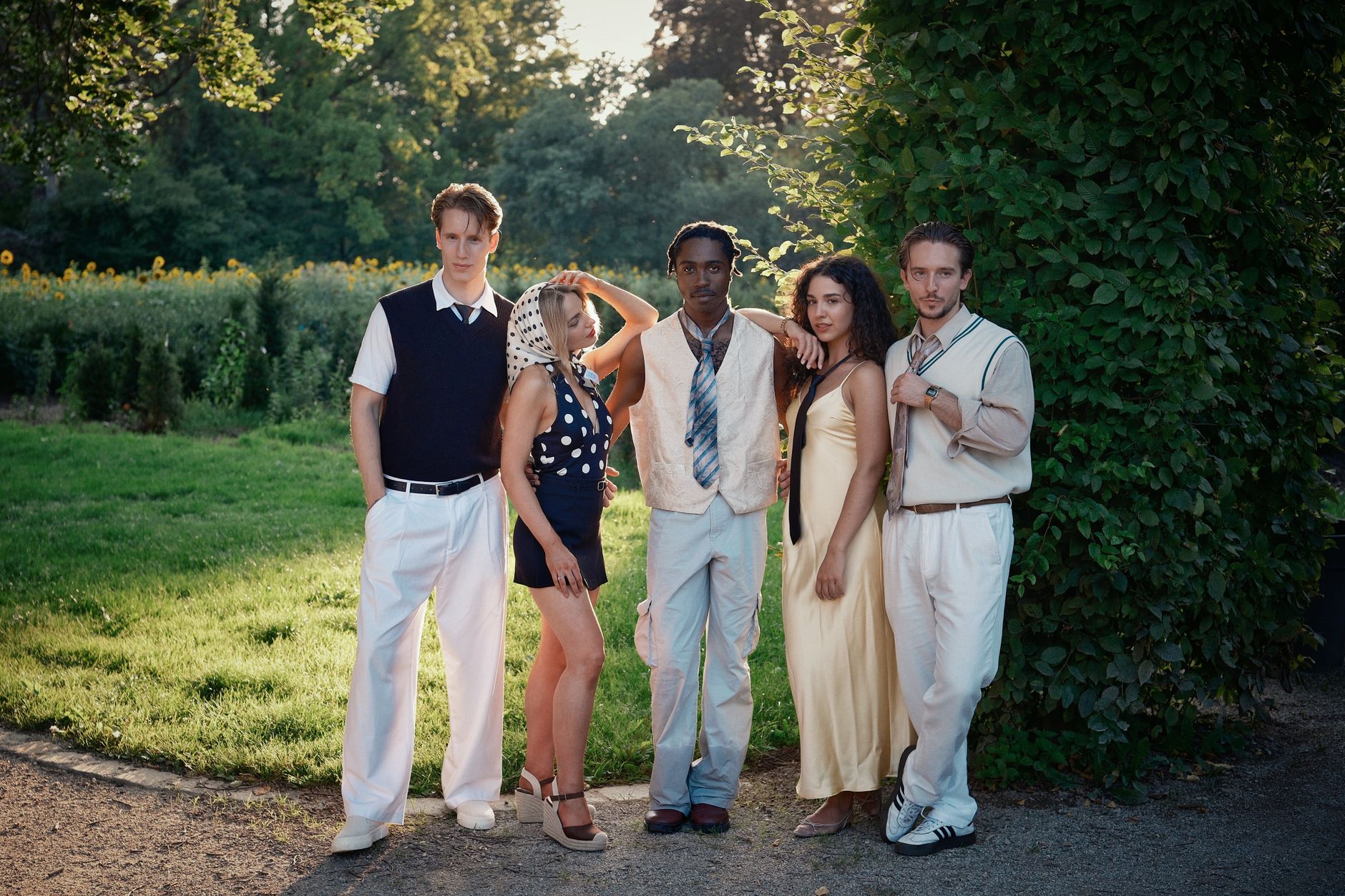
The intersection of fashion and cultural movements has always led to the emergence of influential groups, and one such notable entity is the Armstrong Group in the fashion domain. Understanding the history, significance, and implications of this group not only enriches your fashion knowledge but also inspires modern style choices.
In this article, we will delve into the origins, key facts, and lasting impact of the Armstrong Group, while intertwining useful fashion insights that can elevate your personal style. Whether you’re a fashion novice or an enthusiast, there’s something to learn and apply to your wardrobe.
What is the Armstrong Group in Fashion?
The Armstrong Group refers to a collective of fashion visionaries, influencers, and designers who have shaped contemporary fashion through innovative designs and meaningful connections to cultural narratives. Known for their commitment to craftsmanship and sustainability, the group’s influence extends through various fashion sectors, including menswear, womenswear, and gender-inclusive designs.
Origins of the Armstrong Group
Historical roots of the Armstrong Group can be traced back to the early 2000s when a variety of designers coalesced to create pieces that resonated with the changing values of society. They aimed to merge art with clothing, creating visually striking yet practical garments. This blending of art and utility became a hallmark of their designs, setting new standards in fashion.
Key Facts about the Armstrong Group
- Founding Year: The group was officially recognized in 2005, during a period marked by a shift towards new fashion paradigms that emphasized individuality.
- Design Philosophy: Their philosophy centers around collaboration, innovation, and sustainability, challenging traditional fashion norms.
- Iconic Collaborations: The Armstrong Group often collaborates with visual artists and cultural influencers, fusing various artistic expressions into their collections.
- Sustainability Practices: Many designers within the Armstrong Group prioritize eco-friendly materials and ethical production methods, aiming to reduce the industry’s carbon footprint.
Fashion Characteristics of the Armstrong Group
The style associated with the Armstrong Group emphasizes a few distinctive characteristics. Understanding these elements can help you draw inspiration for your own wardrobe.
1. Bold Use of Color
One of the hallmarks of the Armstrong Group’s designs is a fearless approach to color. In practical styling, this can translate into incorporating vibrant hues into your outfits, such as:
- A bright red blazer paired with a simple white tee and wide-leg jeans for a vibrant take on workwear.
- A neon green accessory, such as a handbag or scarf, worn with a neutral outfit to add a pop of excitement.
2. Eclectic Patterns and Textures
Layering different textures and patterns is a signature move of the Armstrong Group. Experimenting with this in your daily wardrobe can involve:
- Mixing a striped blouse with a floral skirt for a playful yet balanced look.
- Pairing a chunky knit sweater with silky trousers to create an interesting textural contrast.
3. Inclusive Styling
The Armstrong Group is known for its commitment to gender-inclusive fashion. You might explore and embrace gender-fluid styles by:
- Choosing oversized silhouettes that can be worn by anyone, such as a relaxed-fit button-up shirt over tailored trousers.
- Incorporating accessories traditionally deemed unisex, like loafers or wide-brim hats, to round out your look.
Wardrobe Essentials Inspired by the Armstrong Group
To curate a wardrobe that reflects the ethos of the Armstrong Group, start with a curated collection of versatile essentials. These pieces can be styled in numerous ways to suit various occasions:
1. Tailored Blazers
A tailored blazer serves as a powerful outfit foundation. It can quickly transform any ensemble from casual to polished. Incorporate a fitted blazer in a neutral color, such as black or navy, for versatility.
2. Wide-Leg Trousers
Wide-leg trousers are both comfortable and chic, making them an essential. They can be styled with fitted tops for a balanced silhouette or paired with loose blouses for an airier look.
3. Statement Accessories
Invest in statement accessories like oversized earrings or unique handbags that reflect your personal style. These components can elevate an otherwise simple outfit.
4. Layering Pieces
Include quality layering pieces like turtlenecks, lightweight cardigans, or denim jackets. Layering can bring depth to your outfits, allowing you to adjust for seasonal changes.
Color Coordination Techniques
Color coordination is essential to fully embody the artistic spirit of the Armstrong Group. Here are practical ways to master color combinations:
1. Color Wheel Basics
Understanding the color wheel can help you choose complementary colors. For instance, pairing a warm color like orange with a cool color, such as blue, creates an engaging visual contrast.
2. Monochromatic Looks
Creating a monochromatic outfit involves using different shades and tints of the same color. For example, wearing varying shades of green can produce a sophisticated yet dynamic appearance.
3. Accent Colors
Incorporating accent colors through accessories can add flair to neutral outfits. Consider how a bright belt or colorful shoes can energize your look without overwhelming it.
Layering Tips for Every Season
Layering is a technique that creates depth and versatility in fashion. Here are tips to effectively layer for each season:
Spring
- Start with a lightweight base layer, such as a cotton t-shirt or tank top.
- Add a long cardigan or light jacket for extra warmth.
- Finish with a scarf that can be easily removed as the temperature rises.
Summer
- Opt for breathable fabrics, like linen or cotton, as base layers.
- Incorporate light cardigans for cooler evenings.
- Accessorize with wide-brimmed hats or oversized sunglasses to enhance your style.
Autumn
- Begin with a long-sleeve shirt as your primary layer.
- Follow with a thick knitted sweater as the second layer for warmth.
- Complete the look with a stylish trench coat for a polished finish.
Winter
- Choose thermal tops as your foundational layer.
- Add a chunky sweater for insulation.
- Top with a heavy coat and accessorize with scarves, gloves, and boots to withstand the cold.
Occasion Dressing Inspired by the Armstrong Group
Understanding occasion-specific dressing is vital for making a lasting impression. Here are some tailored outfit ideas for various settings:
Workwear
For a polished work environment, consider:
- A tailored pencil skirt paired with a blouse and block-heeled shoes for a classic yet modern look.
- Wide-leg trousers with a fitted blazer and pointed-toe flats for a chic alternative.
Casual Outings
For casual outings, you might try:
- A relaxed graphic tee worn with slim-fit jeans and sneakers for a laid-back vibe.
- A flowy sundress with denim jacket and ankle boots for an effortlessly stylish look.
Formal Events
When dressing for formal occasions, opt for:
- A classic little black dress paired with statement necklace and heels.
- A sleek suit with a stylish tie or pocket square for a sharp, sophisticated style.
Choosing Footwear Wisely
Footwear can dramatically change the vibe of any outfit. Here are some tips for selecting the right shoes:
Comfort vs. Style
Choose footwear that balances comfort with aesthetic appeal. For instance, loafers and ankle boots can be both stylish and comfortable if you know how to style them correctly.
Versatility
Opt for shoes that can transition between various settings. For example, a black ankle boot can pair well with both jeans for casual outings and tailored trousers for work.
Seasonal Choices
Consider the climate when selecting footwear. Choose breathable sandals during hot months and insulated boots for colder climates.
Fabric Care for Longevity
Taking care of your garments ensures they last longer and remain in good condition. Here are some essential fabric care tips:
Understanding Fabric Labels
Always check the care labels for specific instructions. For example, some fabrics like wool may require dry cleaning, while others like cotton can typically be machine washed.
Dusting Off and Storing
For delicate fabrics, consider dusting off with a soft lint roller and storing in breathable garment bags to prevent damage.
Dealing with Stains
Act quickly to treat stains; use cool water and mild detergent. For tougher stains, research fabric-specific cleaning methods rather than assuming one approach works for all.
Shopping Smartly: Finding Your Style
To harness the principles of the Armstrong Group in your shopping endeavors, consider the following:
Know Your Measurements
Take accurate measurements of your body and refer to them when shopping. Sizes differ greatly between brands, so check the sizing charts for guidance.
Quality Over Quantity
Invest in quality pieces rather than a large volume of cheaper items. High-quality garments often last longer and maintain their look through repeated wear and washes.
Building a Capsule Wardrobe
Curating a capsule wardrobe simplifies your choices. Aim to include versatile pieces that can be mixed and matched easily. Consider classic items such as:
- A simple white shirt.
- A tailored blazer.
- A pair of well-fitting jeans.
Conclusion
Understanding the Armstrong Group’s influence on fashion opens avenues for rich, imaginative style development. By incorporating their principles into your wardrobe, from bold colors to thoughtful layering, you can cultivate a cohesive personal style that resonates with contemporary values while embracing unique self-expression.
For further exploration of fashion advice, consider checking out our guides on how to style linen pants and styling wide-leg jeans. Crafting your wardrobe can truly be an enjoyable journey!