
The Met Gala, a glittering spectacle that intertwines fashion and philanthropy, has become one of the most anticipated events in the style calendar. Its origins, dating back to the early 20th century, reflect a fascinating blend of art, culture, and vision that continues to evolve. Given its historic significance and the elaborate costumes it inspires, many people often wonder: When did the Met Gala start?
The first Met Gala took place in 1948, organized to benefit the Costume Institute of the Metropolitan Museum of Art in New York City. Since then, it has transformed from a relatively modest affair into a high-profile event, attracting global attention each year.
When Did The Met Gala Start?
The Met Gala, officially known as the Costume Institute Gala, began in 1948. Initially conceived as a fundraiser for the Costume Institute, its primary goal was to support the museum and its various exhibitions. Over the years, it has grown into a celebration of fashion innovation and has become synonymous with celebrity culture.
Origins and Evolution of the Met Gala
In 1948, fashion publicist Eleanor Lambert organized the first gala to celebrate the Costume Institute’s annual exhibition. The event aimed to raise funds for the institute and establish an enduring relationship between the fashion industry and the museum. The inaugural event took place at the Waldorf Astoria Hotel and was attended by notable personalities from the fashion world and society.
As the years progressed, the gala gained popularity, evolving from a formal dinner into a grand spectacle featuring glamorous red carpet moments. In 1971, the event transitioned into a costume gala, showcasing extravagant outfits inspired by the annual theme. The introduction of a red carpet heightened the media’s interest, turning the event into a platform for fashion designers, celebrities, and artists to express creativity.
Key Milestones in Met Gala History
Over its decades-long history, the Met Gala has marked several significant milestones:
- 1971: The first official theme was introduced, allowing designers and attendees to showcase their creativity. The theme for this year was “The Age of Elegance.”
- 1980: Diana Vreeland, former Vogue editor, was appointed as a consultant for the Costume Institute, elevating the gala’s profile.
- 1995: The gala saw its first-ever celebrity host, with actor Robert De Niro lending star power to the event.
- 2001: The Met Gala became an invite-only affair, further solidifying its status as an elite gathering for fashion insiders.
- 2015: The hashtag #MetGala gained viral traction, allowing social media to amplify the event’s reach and influence.
- 2020: The COVID-19 pandemic forced the Met Gala to be postponed, illustrating how global events could impact the fashion world.
Understanding the Themes of the Met Gala
Each year, the Met Gala features a unique theme, determined by the Costume Institute’s annual exhibition. Themes often draw inspiration from a combination of art history, culture, and contemporary issues, allowing attendees to craft outfits that embody the spirit of the theme. Themes have ranged from “Camp: Notes on Fashion” in 2019 to “American Independence” in 2021.
Attendees are encouraged to interpret the theme in their own style, resulting in a wide range of artistic expression across the red carpet. Historically, the leading designers have collaborated with celebrities to create one-of-a-kind pieces that reflect the theme while pushing the boundaries of fashion.
Outfit Inspiration and Styling Tips for the Met Gala
Although very few people will attend the Met Gala, the event inspires fashion enthusiasts to consider extravagant outfits for other special occasions. Whether you’re attending a charity gala, wedding, or formal event, here are some outfit ideas inspired by the Met Gala:
Glamorous Evening Gowns
For formal occasions, take cues from the breathtaking gowns that grace the Met Gala red carpet:
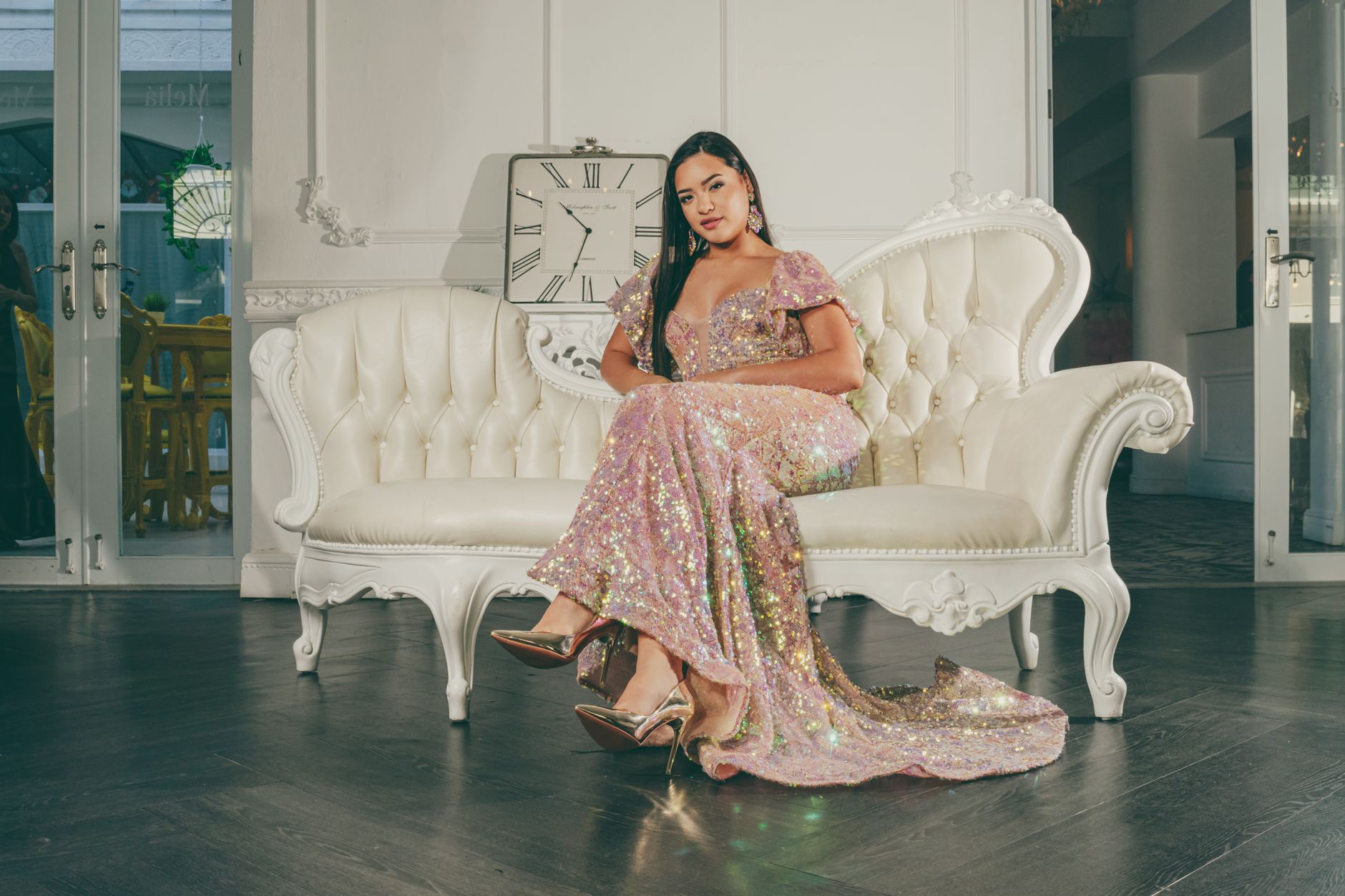
- Floor-length sequined gown: Opt for a dress with bold embellishments to make a statement. Pair it with stiletto heels and minimal jewelry to let the gown shine.
- Asymmetrical hemline: A gown with an unexpected silhouette draws attention and adds a modern touch. Accessorize with a sleek clutch and statement earrings.
- Bold color: Choose a gown in vibrant hues that resonate with your personal style. Choose shoes in a metallic finish for an eye-catching contrast.
Statement Suits for Men
Men can also channel Met Gala vibes through tailored suits and unique accessories:
- Patterned blazer: Opt for a colorful or patterned blazer paired with classic black trousers. This look is both trendy and sophisticated.
- Statement shirt: Replace the plain dress shirt with one that features an interesting print. Consider subtle patterns to avoid clashing with the blazer.
- Accessories: Go for an eye-catching bow tie or pocket square to elevate the outfit and bring personality to the look.
Choosing the Right Fabrics
Fabrics play a crucial role in achieving a Met Gala-worthy look. Consider the following fabrics when planning your outfit:
- Satin: A luxurious option often used for evening gowns and tailored suits. Satin drapes well and provides an elegant finish.
- Tulle: Perfect for creating voluminous styles, tulle can add dimension and texture to skirts, dresses, and layered looks.
- Velvet: Ideal for fall and winter events, velvet offers a rich texture and warmth, making it suitable for upscale gatherings.
- Lace: A romantic choice, lace can be incorporated as an overlay or detail on dresses and blouses for an elegant touch.
Preparation and Consideration for Special Events
Preparing for a special event can feel overwhelming, especially if you aim to embody the essence of the Met Gala. Consider these tips:
- Research the theme: Understand the event’s theme and dress code. This provides a foundation for selecting your outfit.
- Get your fit right: Tailoring can elevate your look. Ensure your outfit fits well and flatters your silhouette.
- Plan your accessories: Accessories can transform your outfit. Choose wisely to enhance but not overshadow your main pieces.
- Practice your look: Try on your ensemble before the event to identify any last-minute adjustments needed. This includes walking in shoes and checking movement in fitted garments.
Garment Care for Special Outfits
Caring for your garments, especially those worn to special events, is essential for longevity. Here are practical tips for maintaining the beauty of delicate fabrics:
- Read care labels: Always check the care labels before washing or dry cleaning your garments. Follow specific instructions for optimal care.
- Handle with care: When wearing sequined or embellished pieces, avoid snagging. Be cautious when dancing or moving around.
- Store properly: Use padded hangers for gowns to maintain their shape and avoid wrinkles. Consider garment bags for longer-term storage.
Fashion History and Its Impact on the Met Gala
The Met Gala serves as a mirror reflecting changes in society, culture, and fashion over the years. The evolving themes often align with significant cultural movements, showcasing the impact of social contexts on fashion. For instance, the “Camp” theme in 2019 was a nod to the rise of queer culture, while the “In America” theme in 2021 reflected a reflection on national identity.
This intersection of fashion and social commentary demonstrates the importance of preserving history through clothing. The event transcends mere aesthetics, becoming a narrative that explores the human experience.
The Influence of Social Media on the Met Gala
In the modern age, social media plays a pivotal role in amplifying the Met Gala’s influence. The rise of platforms like Instagram and Twitter has allowed attendees to showcase their outfits to millions of followers instantly. This visibility impacts fashion trends, altering how designers and brands approach both marketing and design.
Additionally, the social media frenzy allows fashion enthusiasts to engage with the event from anywhere, democratizing the glamour of the red carpet experience.
The Future of the Met Gala
As the Met Gala continues to evolve, it is crucial to consider its future trajectory. Themes may become increasingly relevant as global issues such as sustainability, inclusivity, and cultural identity gain focus in the fashion industry. How will designers respond to these challenges, and how will that shape future Met Gala ensembles?
The continual blending of art, philanthropy, and fashion sets the stage for an ever-more fascinating future for the gala, with the potential to spark important conversations about the role of clothing in society.
The Met Gala is not just an event; it’s a powerful celebration of creativity, expression, and social commentary through the lens of fashion. As we reflect on its storied history and anticipate its future, we find inspiration for our own wardrobe choices and personal style.
Think about how you can channel the spirit of the Met Gala into your outfits for special occasions or even everyday wear. You can take inspiration from the themes, materials, and styles, adapting them to fit your personal taste and comfort level. Embrace the opportunity to express your creativity while considering your own fashion history and the narratives you want to communicate through your clothing.
For more insights on the Met Gala and what makes it special, explore additional details in articles like When Was The Met Gala and What Is The Met Gala. Whether it’s thematic exploration, outfit ideas, or understanding the significance of this iconic event, there’s always more to discover in the world of fashion.