
When navigating the vast world of fashion, understanding size categories can be challenging, especially when it comes to the elusive ‘medium’ size. What does medium mean, and how does it differ across genders, styles, and brands? This comprehensive guide will uncover what size is considered medium, how to measure for it, and how to navigate the fashion landscape with confidence.
From wardrobe essentials to outfit planning, mastering the concept of medium sizing will enhance your personal style and ensure you find the perfect fit. Let’s dive into the details and empower your fashion choices!
What Size Is Medium?
Generally, a medium size in clothing corresponds to numeric sizes 8 to 10 for women’s apparel and 38 to 40 for men’s clothing. However, the interpretation of medium can greatly vary depending on the brand, style, and specific garment. It’s important to remember that size is just a number and finding the right fit for your body shape is key.
How to Measure for a Medium Size
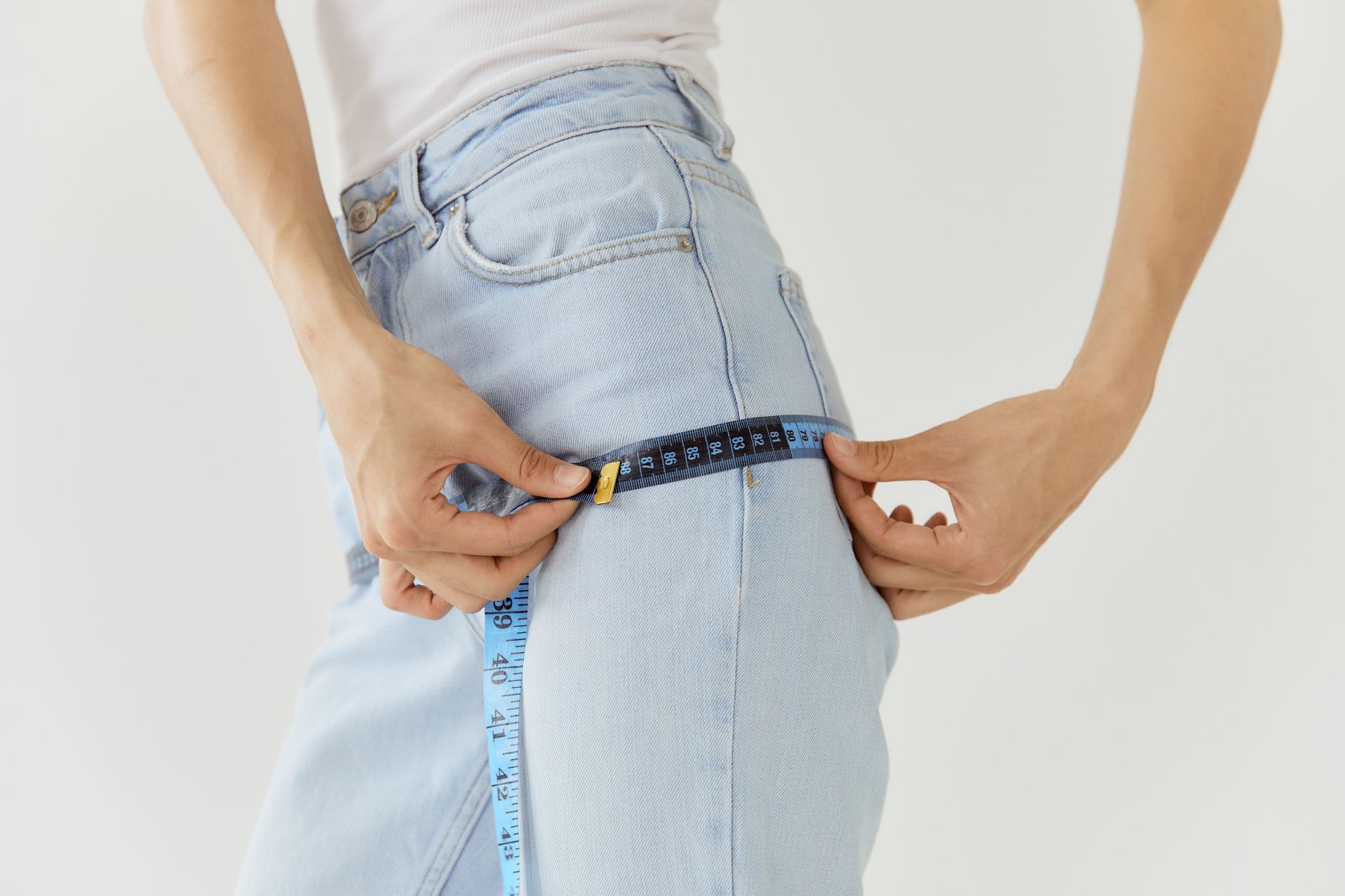
Obtaining accurate measurements is crucial in determining what size fits best, especially when selecting a medium. Below are the steps to take your measurements effectively:
- Chest/Bust: Measure around the fullest part of your chest/bust, keeping the tape level and snug but not tight.
- Waist: Measure around the narrowest part of your waist, typically above the belly button.
- Hips: Measure around the widest part of your hips and rear, ensuring the tape is parallel to the floor.
- Inseam: Measure from the top of your inner thigh to the bottom of your ankle while standing barefoot.
Understanding Fit Types
Fit can significantly impact your comfort and style, especially in a medium size. Here are some common types of fit you’ll encounter:
- Classic Fit: Generally a looser relaxed style that allows for movement, ideal for casual wear.
- Modern Fit: Offers a contemporary silhouette that is tailored to fit but not restrictive, suitable for both work and casual settings.
- Slim Fit: A more tailored and body-hugging silhouette that enhances the natural shape, often found in tailored jackets and dress shirts.
Women’s Medium Size: Breakdown and Considerations
In women’s fashion, size medium often correlates with size 8 to 10. However, different brands may have varying standards, making it essential to check each size chart.
Top Garment Guidance
- Tops: A medium-sized top usually has a bust measurement of around 36-38 inches. When styling, look for items that add shape, like peplum tops or fitted blouses, that complement the body’s silhouette.
- Dresses: A-size medium dress often corresponds to a 28-30 inch waist. Fit-and-flare styles tend to be flattering as they cinch at the waist and allow for movement.
- Pants: The medium size typically translates to a 29-31 inch waist. High-waisted styles are trending and can be ideal for a polished look while ensuring comfort.
Styling Tips for Women’s Medium
To create a balanced look as a medium wearer, consider the following styling tips:
- Layering: Incorporate layers to add dimension. A medium-sized blazer over a fitted top can create a smart-casual outfit.
- Color Coordination: Stick to a cohesive color palette. Typically, neutrals can be mixed and matched easily. Jewel tones can be flattering for medium sizes.
- Accessorizing: Opt for statement accessories to draw attention to your outfit. A bold necklace or handbag can elevate a simple look.
Men’s Medium Size: Breakdown and Considerations
For men, medium size often aligns with sizes 38 to 40 inches in the chest. Here’s a snapshot of what to keep in mind when shopping for men’s apparel.
Top Garment Guidance
- Shirts: A medium shirt usually features a chest measurement around 38-40 inches. Look for comfortable fits or slightly tailored styles for versatility.
- Pants: A medium in men’s trousers typically equates to a 32-34 inch waist. Chinos are a great casual option, while dress pants work well for formal settings.
- Outerwear: A medium-sized jacket version should allow room for layering underneath while fitting comfortably across the shoulders.
Styling Tips for Men’s Medium
Here are some tips for styling medium-sized men’s fashion that will keep you looking sharp:
- Structured vs. Relaxed: Combine structured pieces like blazers with relaxed items like fitted t-shirts for a balanced silhouette.
- Textures: Incorporate various textures, such as denim with a cotton shirt or wool cardigans to enhance your outfit.
- Footwear: Match your shoes to the occasion, choosing sneakers for casual wear and leather shoes for more formal settings.
Gender-Inclusive Medium Sizing
Fashion is progressively moving toward gender-inclusivity, and medium sizing is no exception. Understanding how to navigate this can help anyone find the right fit, regardless of gender identity.
Wardrobe Essentials for All
Essential pieces for a gender-inclusive wardrobe encourage self-expression:
- Basic Tees: A staple for any wardrobe; choose a medium that is unisex and offers a comfortable, relaxed fit.
- Utility Pants: These have become popular across genders, offering both style and functionality. Look for relaxed or tailored options that fit your physique.
- Jackets: A well-fitting medium-sized jacket can be a standout piece for layering, whether it’s oversized, fitted, or structured.
Coordinating Outfits
When piecing together outfits that utilize medium sizing effectively, consider these combinations:
- Casual Look: A medium graphic tee paired with tailored joggers and a denim jacket for a chic yet comfortable vibe.
- Work Look: A medium button-down shirt with straight-leg trousers and loafers; finish with a structured blazer to elevate the ensemble.
- Evening Look: A medium fit turtleneck under a blazer with fitted trousers and ankle boots for a sophisticated night out.
Fabric Choices That Flatter Medium Sizing
The fabric you choose can greatly affect the drape and fit of your garments. Here’s a breakdown of fabric types that work well for medium sizing:
- Cotton: Breathable and comfortable, cotton is suitable for everyday wear. Look for blends that add stretch for a better fit.
- Linen: Ideal for warmer weather, linen provides a relaxed fit but may wrinkle easily, so consider blends with other fabrics.
- Wool: Perfect for layering, wool provides warmth in cooler climates but look for lighter weights to avoid bulkiness.
Garment Care Tips
Caring for your garments increases their lifespan and ensures they maintain their fit and appearance. Here are useful tips:
- Read Care Labels: Always follow the manufacturer’s guidelines, as fabrics require different care.
- Wash Wisely: Use cold water for machine wash unless specified otherwise; hot water can shrink garments.
- Dry Carefully: Air dry whenever possible to avoid shrinking or distorting the shape of fitted garments.
- Store Properly: Hang structured clothing to maintain shape and fold knitwear to prevent stretching.
Understanding Sizing Variations Across Brands
Size guidelines vary significantly from one brand to another. Here are a few tactics to navigate this challenge:
- Always Check Size Charts: Before purchasing, always refer to the brand’s specific size chart as sizes differ widely.
- Read Customer Reviews: Trust customer feedback to gauge how items fit and perform based on real-life experiences.
- Try Before You Buy: When possible, visit physical stores to try on garments or order multiple sizes online for comparison before committing.
Seasonal Considerations for Medium Size
Adapting to seasonal changes can also affect how you dress fittingly in medium sizes. Consider these seasonal adjustments:
- Spring: Lightweight fabrics and layering work well – try a medium-sized cardigan over a tank top and styled with fitted jeans.
- Summer: Opt for flowing medium dresses or shorts with loose-fitting tops that allow for airflow.
- Fall: Experiment with layering medium-sized turtlenecks under cardigans paired with tailored trousers and ankle boots.
- Winter: Invest in a medium winter coat that allows for sweaters underneath without being overly bulky.
Conclusion
Understanding what size is medium is essential for navigating the fashion world with confidence. By taking accurate measurements, understanding different fits, and selecting pieces that suit your personal style, you can put together a wardrobe that reflects who you are.
Try experimenting with the outfit combinations and layering techniques discussed. Keep these guidelines in mind as you expand your wardrobe and celebrate your unique style.
If you’re curious about plus sizes or want to ensure you have the right bra fit, check out our guides on understanding plus sizes and how to measure for a bra cup size.