
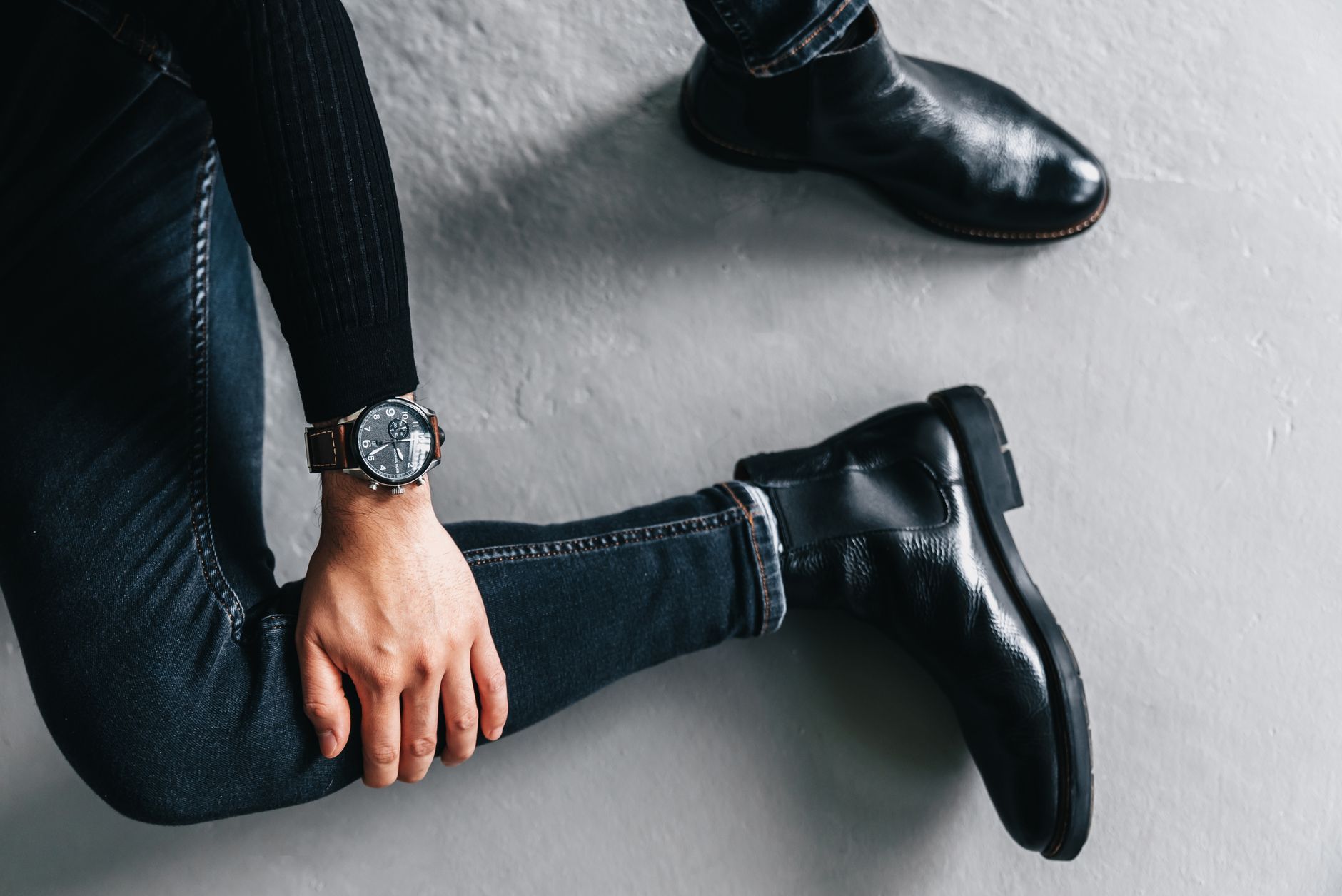
When it comes to men’s fashion accessories, watches hold a special place. A carefully chosen timepiece can enhance an outfit and express personal style. However, an often-overlooked detail is which wrist to wear a watch on. This question goes beyond simple preference; it relates to tradition, functionality, and style.
In this guide, we’ll explore the conventions of wearing watches on different wrists, practical considerations, and how to effectively incorporate a watch into your overall look. From selecting the right watch to pairing it with your outfit, you’ll find tips and advice that will elevate your watch game.
What Side Do Men Wear Watches?
Traditionally, many men wear watches on their left wrist. This practice stems from the fact that most people are right-handed, making it easier to wind and adjust a watch on the non-dominant wrist. However, personal style and practicality can lead some to choose the right wrist instead. Ultimately, the side you wear your watch on should reflect your comfort, style, and functionality needs.
The Tradition Behind Watch Placement
The choice of wrist largely revolves around practicality. Historically, gentlemen wore pocket watches, often housed in vests or waistcoats. When wristwatches gained popularity in the early 20th century, the left wrist became customary for right-handed men. This tradition was driven by the desire to keep the watch out of the way during manual tasks. However, for those who are left-handed, wearing a watch on the right wrist can feel more natural and functional.
In modern fashion, there are no strict rules governing which wrist to wear a watch on. It’s entirely acceptable to wear a watch on your right wrist if it suits your personal style or comfort. What’s most important is that the watch enhances your outfit seamlessly.
Choosing the Right Watch for Your Style
Before determining the ideal wrist for your watch, you must choose the right timepiece that complements your personal style and the occasions you typically dress for. Here are some popular watch styles and when you might wear them:
- Dress Watches: Best paired with formal attire, these watches tend to feature a minimalist design, often with a leather strap. Choose a classic color like silver or gold to match a suit or tuxedo.
- Casual Watches: Versatile and stylish, casual watches can be worn for day-to-day activities. They come in various colors and materials, making them perfect for smart-casual outfits.
- Sport Watches: Designed for durability and functionality, sport watches are ideal for outdoor activities or exercise. Look for water resistance, shock resistance, and features like stopwatches or fitness trackers.
- Smart Watches: Melding technology with style, smartwatches offer functionality such as notifications and fitness tracking. They are great for casual or tech-savvy outfits.
Tips for Styling Your Watch
The right watch can enhance your outfit, but it’s essential to consider size, color, and how it complements your other accessories. Here are some practical styling tips:
1. Keep Proportions in Mind
When selecting a watch, ensure it is proportionate to your wrist. A watch that is too big can overpower your appearance, while one that is too small can look out of place. Consider both the case size and strap width when making your selection. As a general guideline, slim wristwear suits dressier looks, while chunkier styles are more appropriate for casual wear.
2. Match Materials and Colors
Coordinating your watch with other accessories, especially your belt and shoes, adds a polished touch. If you wear a gold belt buckle, a watch with a golden finish can create a harmonious appearance. Utilizing a cohesive color palette across your outfit ensures that your watch complements rather than clashes with your attire.
3. Layering with Other Accessories
Layering can add depth to your style, but it’s essential to balance your accessories. If you wear a leather bracelet or bangles, consider how they interact with your watch. Ideally, you want to create a cohesive look where accessories enhance rather than compete for attention.
Wearing Your Watch with Different Outfits
Your watch can adapt to various occasions and outfits. Here are some suggestions for different styles:
Smart-Casual Looks
A smart-casual outfit may include chinos paired with a button-up shirt. For this look, opt for a casual leather or fabric strap watch in a subdued color. This combination maintains a relaxed yet polished vibe, perfect for brunch or casual Fridays at the office.
Workwear Style
If you’re dressing for the office, consider a dress watch with a classic leather strap. A simple, elegant design can add a touch of sophistication without overwhelming your professional attire. Pair it with a tailored suit or dress shirt for an effortlessly chic look.
Formal Occasions
For formal events like weddings or gala dinners, a luxury watch can serve as a statement piece. Metallic finishes and elegant designs can enhance a tuxedo or classic suit. Consider a watch with a leather strap to ensure it fits snugly under your sleeve, allowing the watch to be easily visible yet subtly elegant.
Casual Outings
When dressing down for casual outings, you can play with colors and styles. A vibrant sport watch can be paired with denim jeans and a casual t-shirt, adding a pop of personality to your outfit. This approach offers a youthful, laid-back look, perfect for weekends or outings with friends.
Seasonal Considerations for Wearing Watches
Your watch choice can also be affected by the season. Here are tips on how to adapt your watch style for different climates:
Summer Styles
In warmer months, consider lightweight materials like silicone or fabric straps to keep your wrist cool. Lighter colors can enhance your summer wardrobe while ensuring comfort. Additionally, choose watches that are water-resistant if you’re planning on spending time near water.
Winter Layers
During colder months, wearing heavier jackets or coats may necessitate a smaller watch to fit comfortably under clothing. Opt for a timepiece with a metal strap or an elegant leather finish that can elevate your layered look, adding sophistication even during bulkier outfits.
Accessorizing and Footwear to Match Your Watch
How you accessorize and pair footwear with your watch can enhance your overall aesthetic. Here are some key components to consider:
- Belt: Your belt should coordinate with your watch. If your watch has a silver or gold tone, choose a belt buckle that mirrors this material for a cohesive look.
- Shoes: Footwear can echo your watch’s color and style. Leather shoes work well with dress and formal watches, while casual loafers or canvas shoes complement sport styles.
- Jewelry: Minimal metal bracelets or rings can create a harmonious look with a watch, but be careful not to overcrowd your wrists.
Care and Maintenance of Your Watch
To keep your watch in excellent condition, regular maintenance is essential. Here are some general care tips:
- Keep your watch away from extreme temperatures and magnetic fields, which can impair functions.
- Wipe your watch with a soft cloth after wearing it to remove sweat and dirt.
- If your watch is water-resistant, check the seals regularly, especially before swimming or showering.
- Consider having your watch serviced by a professional every few years to maintain functionality.
Exploring Watch Styles Through History
Watches reflect not just personal style but also historical context. Here’s a brief overview of watch evolution:
- Pocket Watches: Gaining popularity in the 16th century, these were the first personal timepieces, typically carried on a chain.
- Wristwatches: Emerged in the late 19th century, originally considered a feminine accessory until embraced by soldiers during World War I.
- Smartwatches: The 21st century saw the integration of technology into watches, creating multifunctional devices that revolutionized the watch industry.
Conclusion
Ultimately, the decision of what side to wear your watch on is a personal choice shaped by comfort and style. Whether you prefer the left wrist for tradition’s sake or choose the right for practicality, your watch should enhance your overall look. By selecting the right timepiece and incorporating it into your outfits thoughtfully, you can express your personality with confidence.
For more details on wearing your watch, consider exploring related topics such as which hand to wear a watch or accessorizing for special occasions. These resources can offer further insights into elevating your style and making thoughtful fashion choices.