
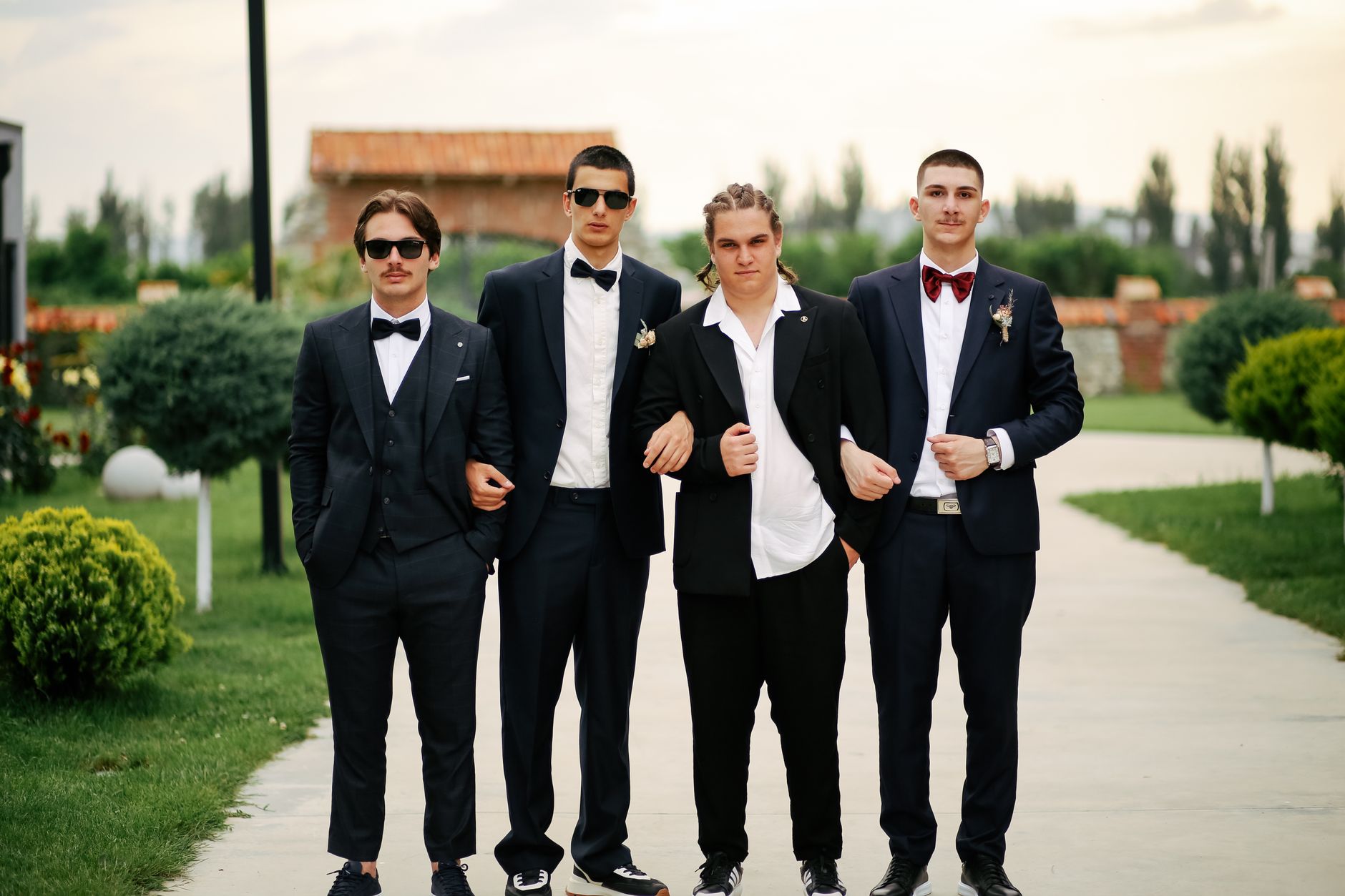
Weddings are one of the most significant events one can attend, offering an opportunity to celebrate love, togetherness, and joy. However, navigating what to wear can be tricky, especially when considering what not to wear. In this style guide, we will explore common styling missteps and provide practical tips for selecting appropriate attire to ensure you are both stylish and respectful of the wedding environment.
Understanding wedding etiquette is crucial to avoiding fashion faux pas. Let’s dive into an array of outfit considerations, attire suggestions, and wardrobe essentials that will help direct your choices toward a polished and appropriate wedding look.
What Not To Wear To A Wedding?
Avoid attributes that can overshadow the couple on their special day. This includes wearing overly casual or inappropriate items, as well as colors or styles that clash with the wedding theme. Here’s how to navigate these choices effectively.
General Considerations
Respect the Dress Code
Most weddings will specify a dress code; this is your first clue about what to wear (and what to avoid). Common dress codes include:
- Formal: Opt for a floor-length gown or a tuxedo, avoiding casual attire or bright colors that may seem out of place.
- Semi-Formal: A cocktail dress or dressy separates work here, but steer clear of denim, flip-flops, and anything too revealing.
- Cocktail: Shorter dresses or tailored suits are appropriate, but anything resembling beachwear should be avoided.
- Casual: While more relaxed, you should still bypass shorts and flip-flops; instead, go for nice sundresses or button-downs.
Avoid White
The bride traditionally wears white, making it a color best avoided by guests unless specified otherwise. If you’re unsure about a dress’s suitability, avoid anything remotely resembling bridal wear. Opt for colors like pastels, jewel tones, or earthy hues instead.
Steer Clear of Uncomfortable Footwear
Your shoes set the tone for both your outfit and comfort level. Avoid overly high heels that might lead to discomfort during a long ceremony or reception. Instead, consider stylish block heels or chic flats. Practicality is key—if you’ll be standing or dancing for hours, make sure your footwear can keep up.
Specific Outfits to Avoid
Casual Attire
Leave your relaxed fits at home. Outfits like:
- Graphic tees and ripped jeans
- Workout clothing or activewear
- Beachwear such as tank tops and flip-flops
Instead, aim for well-fitted garments that respect the occasion’s significance.
Overly Flashy Clothing
Shiny materials or garments with an excessive amount of sequins can distract from the event. While it’s good to stand out, it should never be at the couple’s expense. Stick to elegant pieces with subtle embellishments or textures.
Overly Revealing Outfits
While expressing personal style is important, swimwear, plunging necklines, or extremely short hemlines can be inappropriate. Bring tasteful layering pieces or choose outfits with a more conservative silhouette if you’re unsure.
Color Coordination and Seasonal Dressing
Consider the Season
Seasonality plays a vital role in choosing wedding attire. Here’s how to adjust your wardrobe options:
- Spring: Light fabrics and floral patterns are perfect, but avoid dark, heavy colors.
- Summer: Bright, vibrant colors are desirable; however, steer clear of shorts or casual sundresses that border on beachwear.
- Fall: Rich embers like burgundy, mustard, and forest green are wonderful, but don’t go for materials that are too heavy.
- Winter: Darker, richer colors work well; avoid lightweight fabrics that may leave you cold.
Pay Attention to the Wedding Theme
Each wedding can have its theme or color palette. Avoid colors or patterns that clash with the decor. Research wedding colors beforehand if they are available, and consider neutral clothing that complements rather than competes.
Accessories and Fabrics to Avoid
Less is More with Accessories
While accessories can elevate an outfit, avoid going overboard. Here’s what to keep in mind:
- Avoid large, distracting jewelry or flamboyant hats that might overshadow other guests.
- Steer clear of overly casual accessories like canvas bags or backpacks. Opt for a chic clutch or handbag instead.
Fabrics and Textures
Your fabric choice is equally crucial. Avoid garments made from linen or cotton blends for formal settings, as they can appear too casual. Instead, opt for:
- Silk or satin for a luxurious feel.
- Twills or wool blends for structured suits.
Fabric choice should reflect the wedding’s atmosphere and your style.
Common Styling Challenges and How to Resolve Them
Fit and Proportion
One of the most frequent stumbling blocks is achieving the right fit. Ensure to:
- Invest in tailoring for adjustments; well-fitted clothes can make a world of difference in presentation.
- Look for structured silhouettes that enhance your body shape without being restrictive.
Finding the Right Balance
Mixing and matching can lead to awkward outfits. Strive for:
- Balancing relaxed pieces with structured items—for example, pair dressy trousers with a flowy top.
- Layering strategically, using tailored jackets or elegant shawls to create a cohesive look.
Addressing Temperature Concerns
Consider the venue’s temperature. Avoid heavy fabrics that can cause discomfort. Instead, try layering with:
- A light cardigan or blazer that can be removed if the day turns out warmer.
- Stylish scarves that add warmth but won’t take away from the overall outfit.
Gender-Inclusive Style Guidelines
Weddings often intersect with diverse identities and expressions. To maintain inclusivity and comfort for all attendees, consider the following:
- Celebrate personal style; there are no stringent rules based on gender. Choose outfits that resonate with your identity.
- Explore suits, dresses, or gender-neutral options that align with your comfort levels.
Final Outfit Ideas to Embrace
With past pitfalls in mind, here are some effective outfit combinations presenting conservative choices while still highlighting your unique style:
Women’s Outfit Inspirations
- Option 1: A midi wrap dress in a floral pattern paired with block-heeled sandals and subtle gold jewelry.
- Option 2: A tailored jumpsuit in deep navy with a slim belt, combined with pointed-toe flats and an elegant clutch.
- Option 3: A structured blazer over a silk camisole and tapered trousers, finished with a statement necklace.
Men’s Outfit Inspirations
- Option 1: A classic navy suit with an ivory shirt and brown leather loafers; accessorize with a silk tie.
- Option 2: A light grey blazer over a white dress shirt and chinos, perfectly complemented by loafers.
- Option 3: A tailored dark green suit complemented with a patterned handkerchief.
Garment Care and Maintenance
A well-selected outfit only looks good if cared for properly. Refer to these care tips:
- Check the care label for washing instructions and follow them closely to avoid accidents.
- Invest in a clothing steamer or iron to eliminate wrinkles before the event.
- For delicate fabrics like silk or wool, bring them to the dry cleaners to extend their lifespan.
Conclusion
Choosing the right attire for a wedding is an exercise in balance and respect. Paying close attention to color, fit, and overall appropriateness allows you to celebrate the occasion thoughtfully. Take heed of the tips above and self-curate a polished wedding look that honors not only the couple but also your unique style.
Try incorporating one of the outfits mentioned above to prepare for your next wedding invitation. Take note of the dress code and venue to ensure your selection is stylish yet suitable. Don’t forget to check what to wear to a wedding for more outfit ideas or explore what not to wear for broader fashion guidance.