
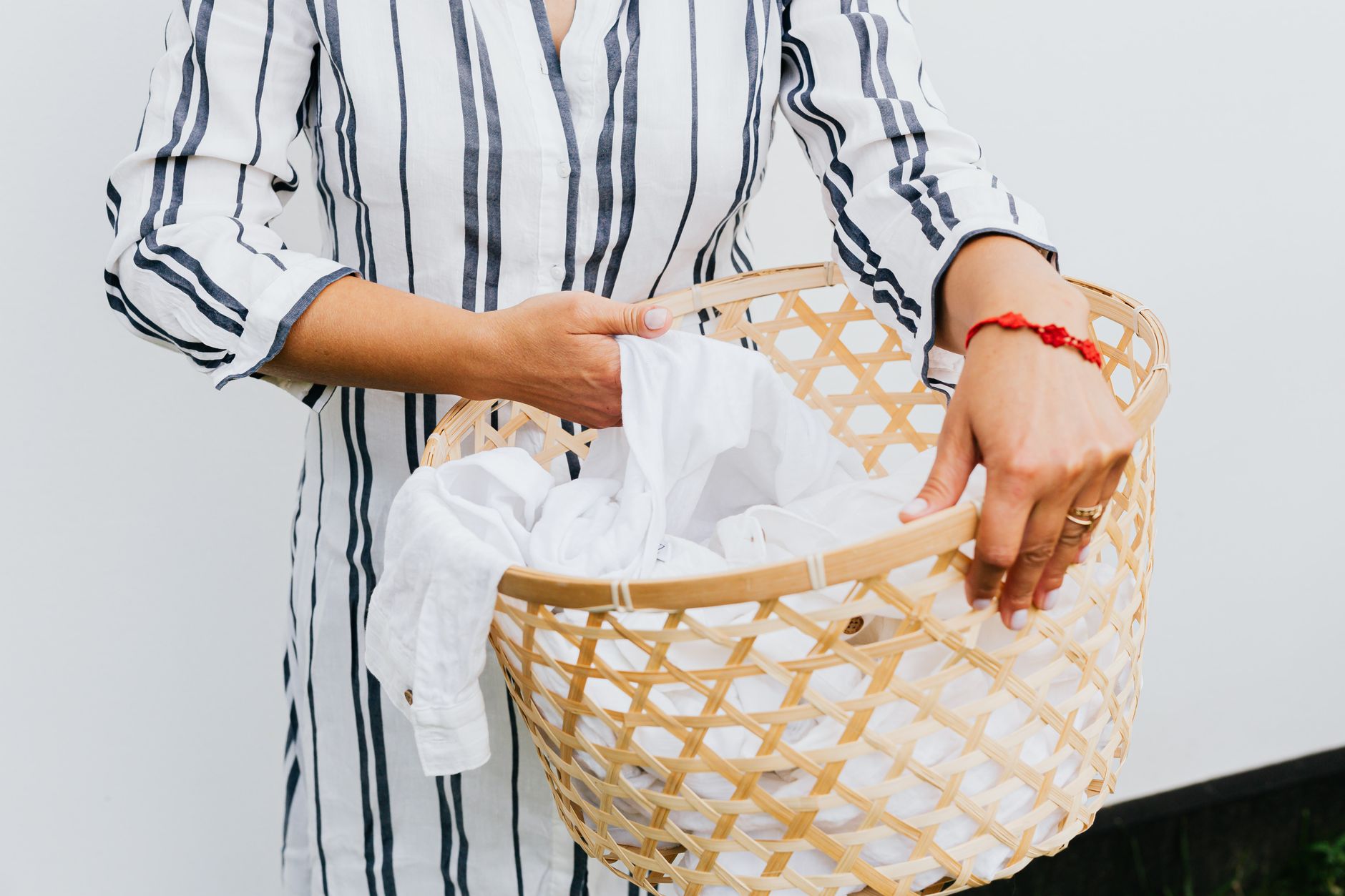
Understanding what a dress is made of and how to care for it is essential in making informed fashion choices. The right fabric can enhance comfort, durability, and appearance, while proper care ensures longevity. This guide will explore various fabric types, offer insights on how to care for them, and provide tips on selecting dresses that suit your personal style and lifestyle.
From lightweight cotton to sumptuous silk, dresses can be crafted from an array of materials, each with its own characteristics. We’ll delve into common dress fabrics, their properties, and how to maintain them effectively. Let’s make your wardrobe choices not only stylish but also practical!
What Is This Dress Made Of?
When assessing a dress, it’s crucial to understand its composition to determine its feel, fit, and care requirements. Here are some common fabrics used in dresses:
- Cotton: A breathable and versatile natural fiber, cotton is comfortable for everyday wear. It’s ideal for summer dresses and casual styles due to its softness and moisture-wicking properties.
- Synthetic Fabrics: Materials like polyester and nylon are often used in dresses for their durability and resistance to wrinkling. They can mimic the feel of natural fabrics while being easy to care for.
- Linen: Known for its lightweight and breathable nature, linen is perfect for warm weather. It has a textured finish and drapes beautifully, though it does wrinkle easily.
- Silk: A luxurious fabric, silk offers a smooth, soft texture and a beautiful sheen. It’s often chosen for formal dresses and special occasions, requiring careful maintenance to preserve its quality.
- Viscose: This semi-synthetic fiber is made from wood pulp and offers a soft, breathable feel similar to silk. Its vibrant colors and draping qualities make it popular for summer dresses.
How Should I Care For It?
Caring for your dress properly is crucial to maintaining its look and longevity. Here’s how to care for different fabrics commonly found in dresses.
Cotton Dress Care
- Washing: Machine wash in cold water with a mild detergent. Use a gentle cycle to prevent wear.
- Drying: Tumble dry on low or hang to dry to avoid shrinkage.
- Ironing: Iron on medium heat while the fabric is slightly damp to remove wrinkles easily.
Synthetic Fabrics Care
- Washing: Machine wash in cold water. Avoid hot water which can cause synthetic fibers to lose their shape.
- Drying: Tumble dry on low or line dry; these materials generally dry quickly.
- Ironing: Use a low heat setting and use a pressing cloth to prevent burning.
Linen Dress Care
- Washing: Hand wash or machine wash on a gentle cycle using cold water and mild detergent.
- Drying: Line dry or tumble dry on low heat; remove it promptly to minimize wrinkles.
- Ironing: Iron while damp on high heat to get that crisp finish, using steam if necessary.
Silk Dress Care
- Washing: Hand wash in cold water with a silk-specific detergent or consider dry cleaning.
- Drying: Air dry flat away from direct sunlight to prevent fading.
- Ironing: Iron on a low heat setting, ideally using a pressing cloth to shield the silk surface.
Viscose Dress Care
- Washing: Hand wash in cold water or use a delicate cycle on the washing machine with a mild detergent.
- Drying: Hang to dry as viscose can shrink in high heat; avoid tumble drying.
- Ironing: Iron on a low setting on the reverse side to prevent damage to the fabric.
Choosing the Right Dress for Your Wardrobe
Selecting a dress that complements your personal style and works well within your existing wardrobe is essential for building a versatile collection. Here are some tips on choosing dresses:
Consider the Silhouette
Different dress silhouettes suit different body types and occasions. Here are some common styles:
- A-Line: Flared from the waist, flattering for most body types.
- Pencil: Fitted and tailored, ideal for professional settings.
- Maxi: Longer length, versatile for casual and formal occasions.
- Shift: Loosely fitted, offering comfort and ease of movement.
Think About Color and Patterns
Color and patterns can significantly affect how a dress fits into your wardrobe. Here are some tips:
- Wardrobe Palette: Choose colors that complement your existing wardrobe for easy mixing.
- Seasonality: Consider seasonal colors and patterns; lighter shades work well in summer, while darker shades are suitable for winter.
Dress Codes and Occasions
Understanding dress codes is vital for selecting the right dress for any event. Here’s a breakdown:
- Casual: Opt for comfortable, relaxed styles like t-shirt dresses or sundresses.
- Business Casual: A knee-length wrap dress or a tailored shift dress works well.
- Formal: Choose long gowns or cocktail dresses made of luxe fabrics like silk.
- Special Occasions: Consider the event’s theme and choose accordingly, whether it’s a floral print for a summer wedding or an elegant black dress for a cocktail affair.
Styling Your Dress
Once you have your dress picked out, styling it is the next step. Here are some practical styling tips:
Layering Techniques
Layering can transform the look of a dress. Here’s how:
- Summer: Pair a cotton or linen dress with a lightweight cardigan or denim jacket for cooler evenings.
- Winter: Wear a long-sleeve top under your dress with tights and knee-high boots for added warmth.
Accessorizing
Accessories can elevate your outfit. Consider these options:
- Footwear: Choose sandals for casual styles, heels for formal dresses, or ankle boots for a trendy look.
- Jewelry: Opt for statement earrings or layered necklaces to add dimension to your outfit.
- Bags: A crossbody bag works for casual outings, while a clutch is ideal for formal occasions.
Common Dress Care Mistakes to Avoid
Proper care is vital for maintaining your dresses. Be aware of these common mistakes:
- Ignoring Care Labels: Always follow the manufacturer’s care instructions to avoid damaging the fabric. Ignoring labels can lead to shrinking or fading.
- Overwashing: Overwashing can degrade fabrics. Only wash when necessary, especially silk and wool.
- Storing Improperly: Hanging heavy dresses can distort the shape. Consider folding them or using padded hangers.
Conclusion
Understanding what a dress is made of is pivotal in choosing the right pieces for your wardrobe and caring for them properly. From casual outings to formal events, knowing how to style and maintain your dresses helps you express your individual style effectively. Assess your wardrobe needs, choose fabrics thoughtfully, and follow care instructions to keep your dresses looking their best.
Now, consider exploring outfit ideas to make the most of your dresses or diving into more fabric care guides for various garments to build a well-informed wardrobe. Check out how to style linen pants and learn if viscose is a good material.