
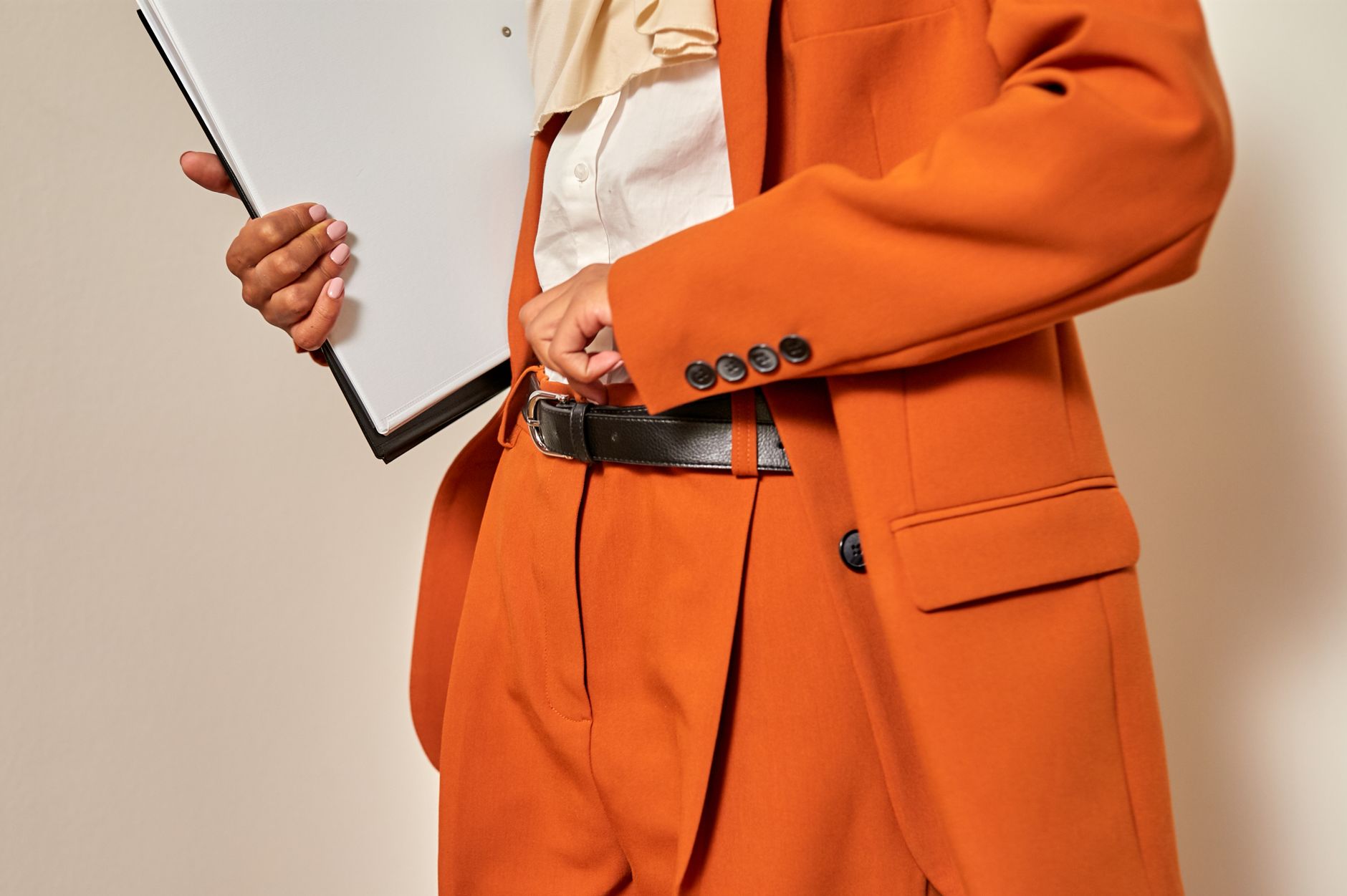
Professional attire is a term that refers to the clothing worn in a workplace setting to convey competence, professionalism, and respect for the work environment. Understanding what constitutes professional attire can greatly enhance one’s confidence and help form a positive first impression in professional situations.
This article explores the various facets of professional attire, including definitions, outfit ideas, styling advice, appropriate dress codes, and practical tips for selecting and maintaining garments that make a statement without compromising comfort and personal style.
What Is Professional Attire?
Professional attire is typically defined as clothing that reflects a certain level of professionalism appropriate to the workplace. This can range from formal business suits to more relaxed business casual options, depending on the specific workplace culture.
In essence, professional attire is not about dressing a certain way for the sake of others but creating an image that aligns with the values and expectations of the professional environment.
Understanding Different Dress Codes
To navigate professional attire effectively, it is essential to understand various dress codes which dictate acceptable clothing styles in different situations.
Business Formal
This is the most traditional form of professional attire, often seen in corporate settings, formal meetings, or events. Typically, it includes:
- Men: Dark suits, dress shirts, ties, and formal shoes.
- Women: Tailored suits, blouses, dress pants or knee-length skirts, and closed-toe heels.
Colors tend to be conservative, with navy, gray, black, and white being common choices.
Business Casual
Business casual strikes a balance between formal and casual attire, allowing for more personal expression while still being professional. Here’s what to consider:
- Men: Dress slacks or chinos, collared shirts (with or without ties), and loafers or dress shoes.
- Women: Blouses, tailored pants, knee-length dresses or skirts, and flats or low heels.
Colors and patterns can be more varied, allowing individuals to incorporate personal style while remaining appropriate for the workplace.
Smart Casual
This style is popular in creative industries where organizations encourage a relaxed approach. It includes elements of both casual and business casual attire.
- Men: Casual trousers or chinos, polo shirts or sweaters, sport coats, and stylish sneakers or boots.
- Women: Sweaters, chic blouses, and tailored jeans or trousers, complemented by casual shoes like loafers or ankle boots.
Smart casual allows more freedom in fabric choices and colors, often reflecting current fashion trends.
Casual
While casual attire is generally discouraged in professional environments, some workplaces have embraced a truly casual dress code. This may include:
- Men: Jeans, t-shirts, hoodies, and sneakers.
- Women: Casual dresses, jeans, t-shirts, and comfortable shoes.
Even in casual environments, it’s vital to maintain a neat and put-together look to ensure professionalism.
Outfit Ideas for Professional Attire
Creating a successful professional look involves knowledge of suitable outfits. Here are some outfit ideas across different dress codes:
Business Formal Outfit Ideas
- Men: A navy blue suit, white dress shirt, and a patterned silk tie paired with polished oxford shoes.
- Women: A charcoal gray tailored blazer over a white blouse, pencil skirt, and black high-heeled pumps.
- Men: A dark pinstriped suit with a light blue shirt and black dress shoes for a fresh take on a classic.
- Women: A blazer dress in a solid color, paired with matching heels and delicate jewelry for a sophisticated touch.
Business Casual Outfit Ideas
- Men: Light gray chinos, a white button-down shirt, and brown loafers.
- Women: A floral-patterned blouson top with dark trousers and ankle boots.
- Men: A lightweight blazer over a crewneck t-shirt and dark jeans, finished off with casual dress shoes.
- Women: A tailored wrap dress with a cardigan and ballet flats.
Smart Casual Outfit Ideas
- Men: Jeans paired with an untucked button-up shirt and a blazer over it, finalized with stylish loafers.
- Women: Tailored trousers with a fitted turtleneck; accessorize with statement earrings and ankle boots.
- Men: A fitted sweater layered over a collared shirt and chinos, completed with polished sneakers.
- Women: A chic shirt dress paired with a denim jacket and ankle boots for a relaxed yet professional look.
Casual Outfit Ideas
- Men: Well-fitted jeans, a solid t-shirt, and clean sneakers for a neat appearance.
- Women: A comfortable knit sweater paired with straight-leg jeans and stylish flats.
- Men: Chinos with a graphic tee layered with a button-up shirt, paired with relaxed shoes.
- Women: A casual shirt dress or tunic with leggings and slip-on shoes for comfort.
Color Coordination in Professional Attire
Color plays an integral role in professional attire, influencing the overall message conveyed through clothing. Here are some guidelines for color coordination:
Neutrals
Neutrals such as black, gray, navy, and beige are classic choices that convey seriousness and professionalism. These colors are versatile and can be easily mixed and matched with brighter accents.
Accent Colors
Incorporating accent colors through accessories or smaller components of an outfit can effectively enhance its visual appeal. For example, a bright scarf or tie can add vibrancy without overwhelming the primary neutral base.
Seasonal Colors
Considering seasonal color palettes can help maintain a fresh and updated look. Light pastels are lovely in spring, while richer hues are welcome in fall. In winter and summer, adjust accordingly to resonate with professional dynamics.
Selecting Fabrics for Professional Attire
The choice of fabric significantly impacts the comfort and professionalism of an outfit. Here are a few fabric types that work well:
Wool
Wool is a popular choice for suit fabrics. It drapes well, retains its shape, and offers warmth in cooler climates.
Cotton
Cotton is breathable and comfortable, making it ideal for shirts and blouses. Opt for high-quality cotton for a polished appearance.
Synthetic Blends
Modern synthetics can provide stretch and ease while resisting wrinkles. Look for blends that feel soft on the skin without compromising professionalism.
Fit Matters: Tailoring Tips
Fit is a crucial aspect of professional attire; garments should complement your shape for an appropriate look. Here are some essential fit considerations:
Shoulders
Jackets should fit snugly at the shoulders without feeling restrictive. If the shoulders are too wide or narrow, it can throw off the entire silhouette.
Waist
For men, pants should sit comfortably above the hips, while for women, blazers should nip in at the waist to create shape.
Length
Pants should break slightly on the shoe, and skirts should fall at or just above the knee for a professional finish.
Maintaining Professional Attire
Proper care can extend the life of professional pieces and keep them looking sharp. Follow these care instructions for various fabrics:
Wool
- Dry clean regularly to maintain structure.
- Store in a breathable garment bag to prevent moth damage.
Cotton
- Machine wash in cold water and line dry to prevent shrinkage.
- Iron on medium heat for crispness, if necessary.
Synthetics
- Follow the care label for safe washing.
- Avoid high heat while drying to preserve elasticity.
Shopping for Professional Attire
When shopping for professional attire, keep these criteria in mind to ensure you make wise purchases:
Quality Over Quantity
Investing in fewer, higher-quality pieces can be more beneficial than having a larger number of low-quality garments.
Versatility
Choose items that can easily mix and match with other pieces in your wardrobe, thus creating multiple outfits from a few key items.
Fit
Always prioritize fit; consider professional tailoring if necessary to adjust garments for optimal comfort and style.
Budget
Set a budget for shopping but allow for flexibility when it comes to quality. Brands offering professional attire can range widely in price.
Embracing Sustainable Fashion
When thinking about professional attire, sustainability cannot be overlooked. Here are some practices to consider:
Choose Sustainable Brands
Support brands that prioritize ethical production methods and environmentally friendly materials, helping reduce your carbon footprint.
Quality over Fast Fashion
Invest in timeless, durable pieces rather than succumbing to fast fashion trends that quickly go out of style and wear down.
Second-Hand and Vintage
Consider thrifting or exploring vintage shops for unique, high-quality pieces that offer character and sustainability.
Current Trends in Professional Attire
Professional fashion is continually evolving, influenced by cultural shifts and industry changes. Here are some current trends:
Relaxed Silhouettes
Comfortable, relaxed fits are emerging in professional settings, allowing for improved mobility and personal style.
Bold Patterns
From plaids to florals, bold patterns are making their way into professional attire, often accentuated through scarves or statement pieces.
Sustainable Fabrics
More designers are incorporating sustainable materials, focusing on eco-friendliness while ensuring luxury and comfort.
Gender-Neutral Styles
As workplaces embrace diversity, gender-neutral clothing options are gaining traction, allowing everyone to express their individual style professionally.
In summary, understanding and implementing professional attire involves knowledge of dress codes, strategic outfit choices, and a commitment to quality and sustainability. The next step is to assess your wardrobe in light of these insights and identify pieces that align with these principles for your unique professional environment.
Explore related fashion guides and styling articles, including women’s business attire, and how to style business casual for women.