
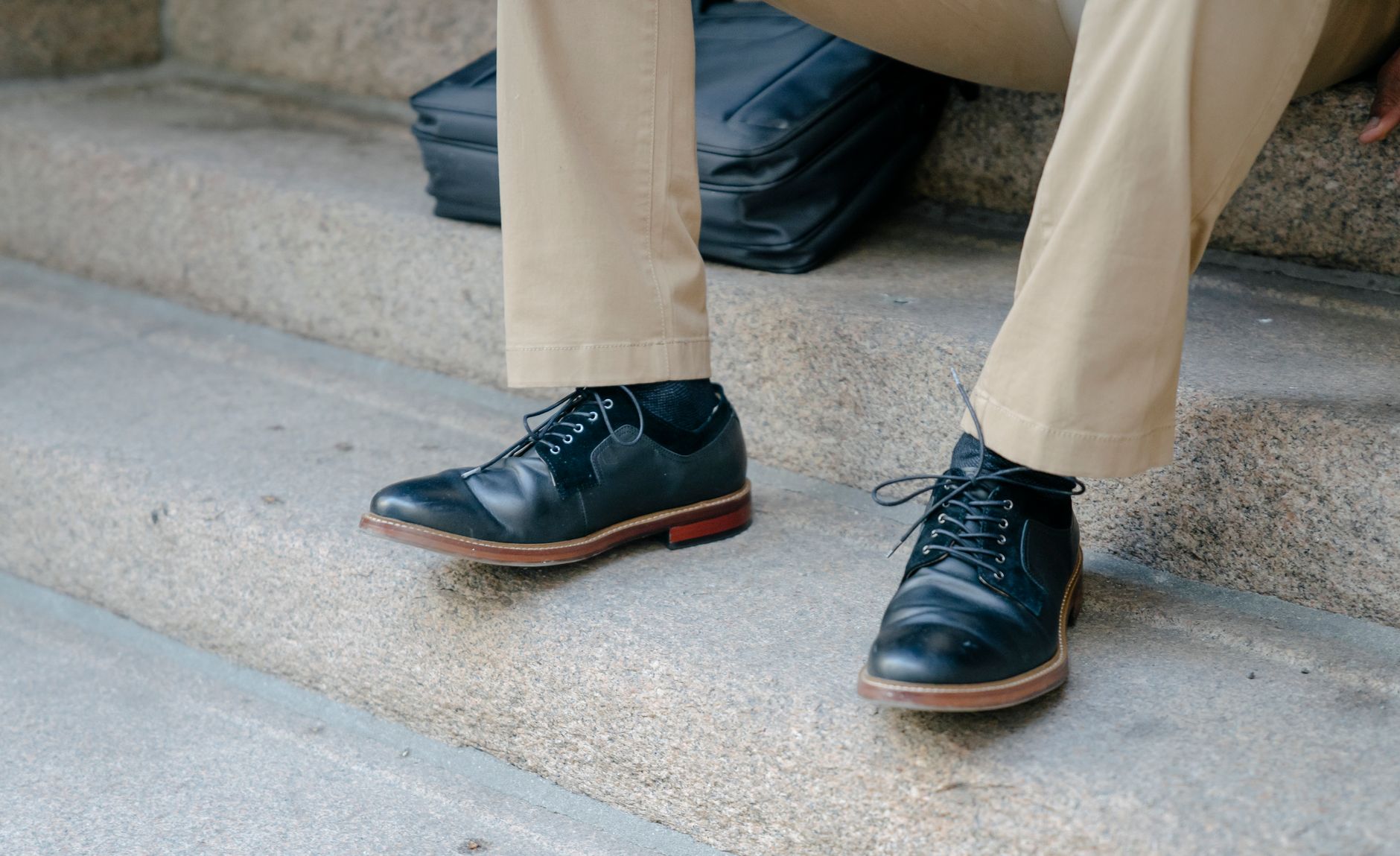
Business casual is a dress code that represents a balance between formal and casual attire, allowing men to maintain professionalism while enjoying slight relaxation in their wardrobe choices. Understanding the nuances of business casual is crucial for navigating different workplace environments, interviews, and corporate events with style and confidence.
This guide will break down what is considered business casual for men, offering you a comprehensive style guide to help you choose the perfect outfits, understand fit and fabrics, and build a versatile wardrobe that suits various occasions. Whether you’re stepping into the office, attending meetings, or socializing with colleagues, these insights will enhance your personal style while adhering to business casual norms.
What Is Considered Business Casual For Men?
Business casual for men typically includes clothing that is neat, polished, and comfortable without being overly formal. This can encompass slacks, chinos, tailored shirts, blazers, and appropriate footwear. The key is to strike a balance between professionalism and personal expression, ensuring that your attire is suitable for the workplace while also reflecting your style.
Understanding the Components of Business Casual
To build effective business casual outfits, familiarize yourself with the essential components. Here’s a breakdown of the main categories:
- Tops: Collared shirts, typically in solid colors or subtle patterns; polo shirts may also be acceptable.
- Bottoms: Dress slacks, chinos, or tailored trousers. Jeans may work in more relaxed environments but should be dark-wash and free from distressing.
- Layers: Blazers, sports coats, or lightweight sweaters can elevate an outfit.
- Shoes: Dress shoes like loafers, oxfords, or brogues. Clean, minimal sneakers can be appropriate in some settings.
- Accessories: Watches, belts, and briefcases should complement your outfit without being excessive.
Outfit Ideas for Business Casual Men
Now that you know the essential components, let’s look at some concrete outfit combinations that fit well within the business casual framework.
1. Classic Business Casual
Combine tailored navy chinos with a crisp white button-up shirt and a grey blazer. Complete the look with brown leather loafers and a matching belt for a polished yet comfortable outfit suitable for most office environments or client meetings.
2. Smart Casual with a Touch of Color
Try light beige dress pants paired with a burgundy polo shirt. Layer with a navy sports coat for added sophistication. Brown suede shoes and a canvas messenger bag round off the outfit perfectly, making it suitable for informal events or casual Fridays.
3. Relaxed Chic
A pair of dark wash jeans with a light grey crew neck sweater can make for a relaxed yet conscientious outfit. Stay organized with black leather sneakers and a leather watch, great for casual outings or more relaxed work settings.
4. Seasonal Adaptations
For warmer months, swap heavier fabrics for lighter options. A linen button-up shirt, paired with light chinos and loafers, allows breathability and comfort while maintaining standards. In colder weather, layer a tailored overcoat over a wool blend sweater, tailored trousers, and dress shoes for warmth and style.
Essential Wardrobe Pieces for Business Casual
Building a versatile business casual wardrobe requires strategic investments in essential pieces. Below are must-have items:
- Tailored Dress Shirts: Choose a range of solid colors and subtle patterns to keep your options fresh.
- Polo Shirts: Ideal for more relaxed settings while still looking professional.
- Chinos and Dress Pants: Opt for classic colors like navy, grey, and khaki to mix and match easily.
- Blazers: A well-fitted blazer elevates nearly any outfit; navy and charcoal are versatile choices.
- Quality Footwear: Invest in brown and black leather shoes that can transition between formal and casual occasions.
- Accessories: Simple watches and leather belts can enhance your outfit without overwhelming it.
Fit Matters: Understanding Proportions and Comfort
A critical aspect of business casual attire is fit. An ill-fitting garment can undermine your entire look. Here are some tips for achieving the right fit:
- Shirts: Ensure sleeves hit just at your wrist and the body of the shirt is not too billowy.
- Pants: Trousers should be tailored to provide a streamlined appearance, sitting well at your waist and tapering toward the ankle.
- Blazers: Should hug the shoulders without being restrictive, and the sleeves should end just above the wrist.
- Shoes: Comfort is key; ensure shoes are appropriate for walking and standing throughout the day.
Color Coordination and Fabric Choices
The colors and fabrics you choose can indicate your style sensibility. Here’s how to coordinate effectively:
Color Coordination
Stick to a cohesive color palette that complements your skin tone and personal style. Here are a few practical tips:
- Start with neutral base colors—navy, grey, white, and beige.
- Add pops of color with shirts or accessories, but keep it subtle to maintain professionalism.
- Mix patterns without clashing but avoid overly bright or distracting prints.
Fabrics to Consider
Pay attention to fabric types to enhance comfort and style:
- Cotton: Breathable and versatile, well-suited for warmer weather.
- Wool: Offers warmth and sophistication, ideal for blazers and dress pants.
- Linen: Lightweight and ideal for summer months, keeping you cool during heat.
- Blends: Look for blended fabrics to increase durability and decrease wrinkling.
Layering Techniques for Business Casual
Layering adds depth to your outfit and allows for comfort adjustments throughout the day. Consider these layering techniques:
- Simple T-shirts with a Blazer: A classic white crew neck under a blazer for a clean, casual look.
- Sweater Under a Coat: Pair a lightweight knit sweater under a tailored overcoat for warmth without bulk.
- Shirt Under a Sweater: A button-down layered under a crew neck or V-neck sweater adds variety to your attire.
Footwear: Finding the Right Balance
The right footwear can make or break a business casual outfit. Here’s a guide to choosing appropriate styles:
- Loafers: Perfect for a sleek, professional look; opt for leather to maintain a polished appearance.
- Brogues: A classic choice that adds character and elegance.
- Minimal Sneakers: Clean, understated sneakers in leather or canvas can work in relaxed environments.
- Boots: Chelsea or Chukka boots can transition well from office to casual settings with the right ensemble.
Accessorizing Your Business Casual Look
Accessories can elevate your overall appearance without compromising professionalism. Here are key accessories to consider:
- Watches: A quality timepiece adds a sophisticated touch without being flashy.
- Belts: Match your belt color to your shoes for a cohesive look.
- Briefcases: Sleek, modern briefcases or messenger bags can enhance your business casual image.
- Ties: While typically optional in business casual, a tie can add formality to an outfit when necessary.
Garment Care Tips
Taking care of your business casual wardrobe is essential for prolonging the life of your garments. Follow these garment care practices:
- Washing: Always check care labels; use gentle cycles for delicate fabrics.
- Drying: Air dry when possible to prevent shrinking; professional dry cleaning can help maintain suits and blazers.
- Ironing: Keep clothes wrinkle-free with regular ironing or steaming as needed.
- Storage: Use hangers for shirts and blazers; fold sweaters to maintain shape.
Common Styling Challenges and Solutions
Even with the best intentions, styling can present challenges. Here are common issues and how to tackle them:
- Looking Too Casual: If your outfit feels too relaxed, swap jeans for chinos and add a blazer.
- Fit Issues: Consider visiting a tailor for adjustments to ensure a sharp and polished look.
- Seasonal Changes: Layer smartly with sweaters and overcoats, ensuring your wardrobe is adaptable throughout the year.
- Overdoing Accessories: Stick to one or two key pieces; less is often more in a business setting.
Building a Capsule Wardrobe for Business Casual
A capsule wardrobe is a collection of essential, versatile pieces that can be mixed and matched for various outfits. Start with the following items:
- 3-4 tailored dress shirts
- 2 pairs of chinos or dress pants
- 1-2 well-fitted blazers
- 1-2 pairs of versatile shoes
- 1-2 polo shirts
- 1-2 lightweight sweaters
This approach allows you to streamline your morning routine, making dressing for business casual easier and more efficient.
Conclusion
Understanding what is considered business casual for men equips you with the tools to navigate various professional environments with confidence. From knowing which essential pieces to invest in to mastering mixes and matching styles, you can create a wardrobe that reflects your personality while adhering to workplace expectations. Start by curating your business casual essentials and experiment with outfit combinations that resonate with you.
Ready to enhance your business casual wardrobe? Explore related outfit ideas and styling tips for further inspiration to elevate your personal style. Visit this guide on business casual and check out how to dress business casual for more insights!