
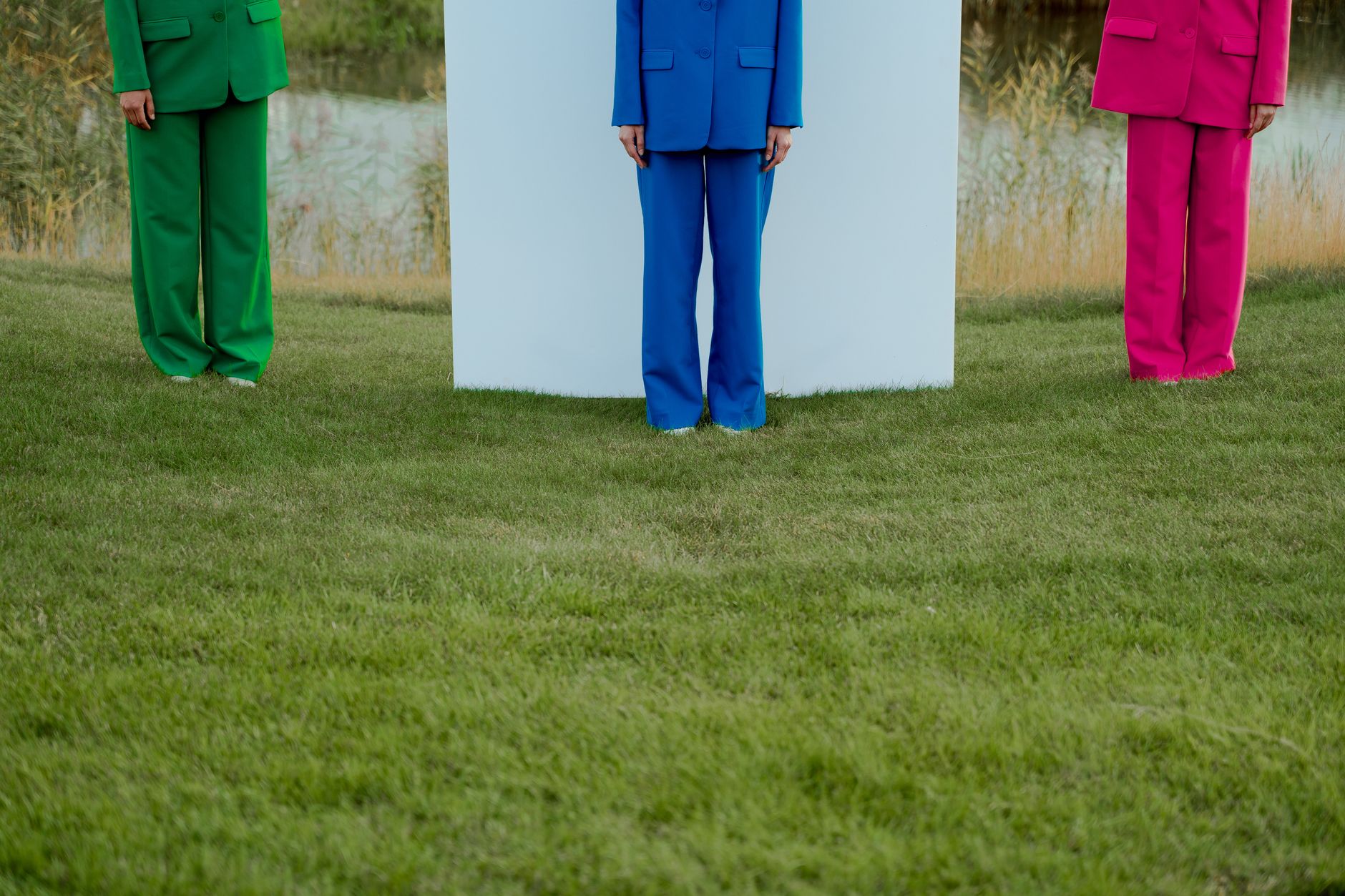
Color blocking is a bold and playful fashion technique that involves pairing blocks of solid colors in a single outfit. This style offers an opportunity to express individuality while adding vibrancy and energy to your wardrobe. By combining different hues, you can create visually striking outfits that stand out.
Understanding how to effectively implement color blocking can transform the way you approach your daily style. In this guide, we’ll explore color pairing tips, outfit ideas, and insights into incorporating this trend into various aspects of your wardrobe, from workwear to casual looks.
What Is Color Blocking?
Color blocking is the practice of pairing contrasting, solid colors together in one outfit. This technique gained popularity during the 1960s and 1970s but has since evolved and resurfaced in contemporary fashion. The goal is to create high impact through the use of color rather than relying on patterns or prints.
Color blocking allows you to play with a color palette that reflects your personal style and mood. This technique can be applied to dresses, separates, and even accessories, making it a versatile styling choice.
Understanding Color Theory
To master color blocking, it is essential to understand some basics of color theory, including complementary, analogous, and monochromatic color schemes:
- Complementary Colors: These are colors opposite each other on the color wheel, like red and green or blue and orange. This scheme creates striking visual contrast.
- Analogous Colors: These are colors that are next to each other on the color wheel, such as blue, blue-green, and green. This combination tends to be harmonious and cohesive.
- Monochromatic Colors: This scheme utilizes varying shades and tints of a single color, providing a streamlined look while allowing for depth through texture.
Getting Started with Color Blocking
Embarking on a color-blocking journey doesn’t require an expansive wardrobe. Instead, focus on selecting key pieces and looks you love. Here are some suggestions to help you get started:
1. Choose Your Base Color
Start with a base color that you feel confident in. This could be a neutral, such as black, white, or gray, or a more vibrant color that you enjoy wearing. The base color will anchor your look.
2. Add Contrasting Colors
Once you have your base color, select one or two additional colors that either complement or contrast with it. When choosing colors, consider the occasion and your personal style. For example, a royal blue paired with mustard yellow creates a beautiful contrast perfect for a summer gathering.
3. Consider Texture and Fit
The fabrics and fits you choose can enhance the color-blocking effect. Layering structured pieces with softer, more relaxed items can create depth and interest. Additionally, playing with proportions (like a fitted top with wide-leg pants) can elevate your outfit.
Outfit Ideas for Color Blocking
Here are some concrete outfit combinations that utilize color blocking for different occasions:
Casual Wear
- Outfit 1: A bright yellow oversized t-shirt with a pair of high-waisted cobalt blue jeans and white sneakers for a day out.
- Outfit 2: A deep green tank top paired with a hot pink midi skirt and black sandals, perfect for a casual lunch.
Workwear
- Outfit 1: A structured navy blazer over a crisp white blouse, paired with tailored burgundy trousers and black loafers.
- Outfit 2: A light grey pencil skirt matched with a vibrant red blouse and nude heels. The contrast is professional yet stylish.
Evening/Formal Wear
- Outfit 1: A stunning emerald green dress complemented with a bright orange clutch and gold strappy heels.
- Outfit 2: A classic black jumpsuit accented with royal blue heels and a matching statement necklace for a modern twist.
Seasonal Dressing
Color blocking can easily adapt to the seasons. In cooler months, consider layering with thicker fabrics and textures:
- Fall Outfit: Pair a rust colored sweater with a dark teal puffer vest and charcoal gray jeans. Add ankle boots for warmth and flair.
- Winter Outfit: A burgundy turtleneck under a mustard yellow wool coat with matching gloves and black trousers adds vibrancy to winter’s typical dark palette.
Footwear and Accessory Considerations
Footwear and accessories can enhance your color-blocked outfits significantly. Here’s how to choose the right pairs:
Footwear
- Opt for shoes in a solid color that corresponds with one of the primary hues in your outfit. For instance, if your outfit includes cobalt blue and bright pink, consider wearing shoes in a bright pink to tie the look together.
- Alternatively, neutral shoes can provide balance when working with highly contrasting colors, allowing the color blocking to take center stage.
Accessories
- Colorful bags or clutches can serve as a focal point of your outfit. A bright orange handbag can add a pop to an otherwise monochromatic ensemble.
- Statement jewelry works well with color blocking. Consider chunky necklaces or bold earrings in contrasting colors, but be mindful not to overpower the outfit.
Layering for Color Blocking
Layering is an effective way to incorporate color blocking into your wardrobe. When layering, pay attention to the fit and shape of each layer. Here’s how to strike the right balance:
- Start with a fitted base layer, like a turtleneck or tank top, under an oversized cardigan or sweater.
- Mix different textures, such as pairing a smooth silk blazer with a knitted sweater to create visual interest.
Building a Color-Blocked Capsule Wardrobe
A capsule wardrobe can simplify the process of color blocking. Aim to select core pieces in various colors that can mix and match effectively. Here’s a basic outline for a color-blocked capsule wardrobe:
- Base Pieces: Neutral tops and bottoms like black trousers, a white button-up, and a beige skirt.
- Colorful Tops: A variety of shades, such as pastel pink, royal blue, and mustard yellow.
- Outerwear: A light trench coat and a statement blazer in bold colors.
- Accessories: Scarves, hats, and bags in complementing colors to match your base pieces.
Overcoming Color Blocking Challenges
Many believe that color blocking requires boldness, but here’s how to navigate common challenges:
Finding Balance
Use one color as the anchor of your outfit and keep the other colors as accents. This keeps the look cohesive and easy to wear.
Choosing the Right Shades
Test colors against your skin tone in natural light before committing. Certain hues might enhance your complexion while others might wash you out.
Color Blocking in Men’s Fashion
Color blocking isn’t just for women; men can also embrace this style. Here are some tips for men looking to implement color blocking:
- Casual Outfit: Pair light blue chinos with a bright yellow polo shirt and gray sneakers.
- Smart-Casual Outfit: A navy blazer with a white t-shirt, green trousers, and brown loafers for a more polished look.
For men, accessories like watches or ties can also showcase color without overwhelming the outfit. Choose colors that complement each other, like earthy tones paired with a pop of bright color such as burnt orange.
Garment Care for Color Blocked Clothing
Taking care of your color-blocking pieces ensures they maintain their vibrancy. Here are some practical tips:
- Always check fabric care labels for washing instructions and follow them closely to avoid color fading.
- Wash bright colors separately to prevent bleeding onto lighter fabrics.
- Air dry whenever possible; this helps preserve the integrity of colors and shapes.
Fashion History of Color Blocking
Color blocking has roots in the modern art movement, where artists like Piet Mondrian famously used bold blocks of color in their work. As fashion evolved, the technique was adopted by designers in the 1960s and 1970s as a way to challenge norms and incorporate more vibrant colors into daily wear.
Through the years, color blocking has reinvented itself, appearing in both street style and high fashion. Today, it’s embraced by a wide demographic, allowing individuals to express themselves through various color pairings.
Conclusion
Color blocking is a dynamic way to express personal style, and with these insights, you can master the technique. Begin with your foundational pieces and build upon them with complementary colors. Try different combinations, consider your individual coloring, and experiment boldly.
To elevate your style game even further, experiment with mixing and matching your existing wardrobe elements based on these color-blocking principles. Explore outfit ideas, layering techniques, and incorporate these principles into your style journey. Take the first step by creating a color-blocked outfit today!
For related inspiration, you might find helpful tips on styling wide leg pants or dressing up your black jeans. Happy styling!