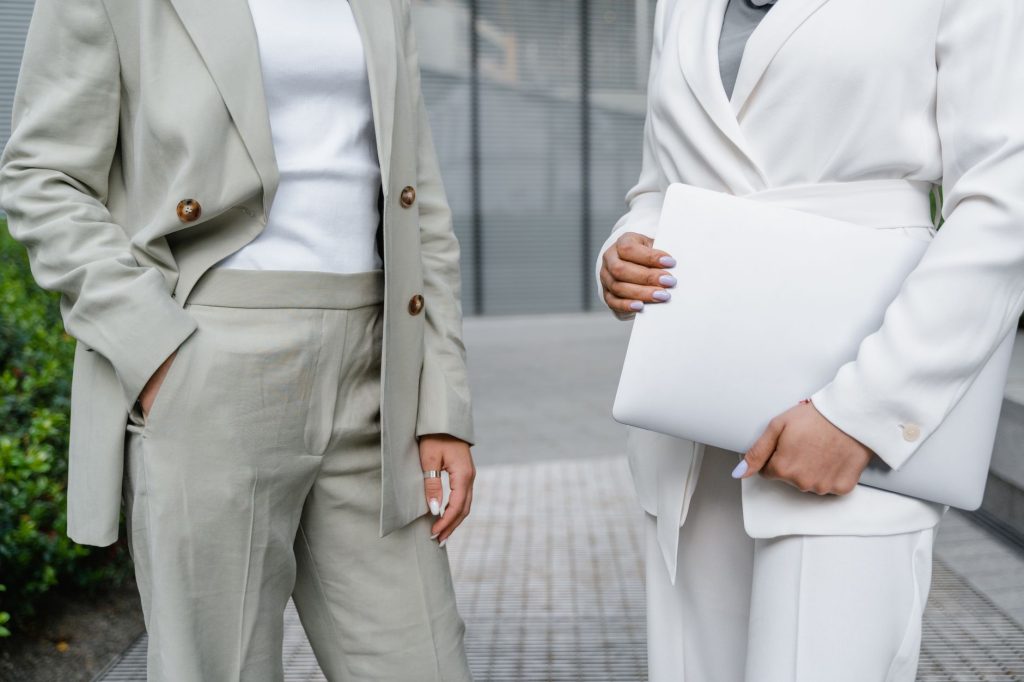
Business casual for women is a flexible dress code that blends professional attire with comfortable and stylish options, suitable for a variety of workplace settings. This guide delves into the essentials of creating a business casual wardrobe, offering tips on outfit choices, fabric considerations, and popular style options.
Understanding what constitutes business casual can help women navigate professional environments with confidence, pairing formality with comfort. The goal is to create an image that is polished yet approachable, reflecting one’s personal style while adhering to workplace expectations.
What Is Business Casual Woman?
Business casual for women encompasses a range of clothing that strikes a balance between formal business attire and everyday casual wear. It allows for creative expression while maintaining professionalism. Typically, this includes tailored pieces made from quality fabrics that are not overly structured.
The Core Elements of Business Casual
To successfully embody the business casual aesthetic, there are key components to consider:
- Structure: Choose garments with a tailored or polished appearance.
- Fabric: Opt for breathable, high-quality materials that convey professionalism.
- Fit: Seek pieces that fit well and flatter your silhouette without being restrictive.
- Color: Stick to a neutral color palette with pops of color through accessories or patterns.
Popular Business Casual Garments
Knowing which garments lay the foundation for a business casual wardrobe is crucial. Here are some reliable pieces:
- Blazers: A fitted blazer can elevate any outfit, providing structure and polish.
- Button-down shirts: Opt for tailored shirts in solid colors, stripes, or subtle patterns.
- Slacks: Chinos or tailored trousers in breathable fabrics are excellent choices.
- Skirts: A-line or pencil skirts can provide a feminine touch while remaining professional.
- Dresses: A midi or knee-length dress in a sophisticated cut can be both comfortable and stylish.
Styling Tips for Business Casual Outfits
To make the most of your business casual wardrobe, consider these styling techniques:
- Layer with a classic blazer over a blouse for a polished look.
- Accessorize with scarves or statement jewelry that add color without overwhelming your outfit.
- Choose shoes that are both stylish and comfortable, like loafers or low-heeled pumps.
- Experiment with textures, combining materials like cotton, wool, and silk for visual interest.
Seasonal Adaptations in Business Casual
Your business casual wardrobe should evolve with the seasons. Here are ways to adjust your outfits throughout the year:
Spring and Summer
In warmer months, prioritize lighter fabrics and breathable materials, such as:
- Lightweight cotton blouses paired with tailored shorts or ankle-length trousers.
- Midi dresses in floral or pastel prints, accessorized with a denim jacket.
- Open-toed shoes or stylish sandals that provide comfort.
Fall and Winter
When temperatures drop, layering becomes essential. Consider the following:
- Long-sleeved tops under sweaters or cardigans for added warmth.
- Wool trousers or dark-colored skirts paired with opaque tights.
- Closed-toe boots or ankle boots for a chic winter look.
Building a Capsule Wardrobe for Business Casual
A capsule wardrobe simplifies outfit choices while maximizing versatility. To create a business casual capsule, consider these categories:
Essentials for Your Capsule Wardrobe
- Tops: Four to five blouses or button-downs in varying colors and prints.
- Bottoms: Three pairs of trousers, including tailored slacks and a skirt.
- Outerwear: One versatile blazer and a lightweight cardigan.
- Dresses: Two or three dresses in classic cuts for easy pairing.
- Shoes: A pair of comfortable flats, low heels, and ankle boots.
Creating Outfits from Your Capsule
With a capsule wardrobe, combining pieces for maximum impact is key:
- Pair a solid-color blouse with patterned trousers, and add a blazer for a cohesive look.
- Layer a cardigan over a dress for an easy transition from office to evening.
- Mix and match tops and bottoms for fresh outfit combinations throughout the week.
Choosing the Right Accessories
Accessories enhance your business casual style and make outfits feel complete. Here are recommendations:
- Jewelry: Choose understated yet elegant pieces like stud earrings or simple necklaces.
- Bags: Opt for structured, professional-looking bags in muted tones.
- Belts: A simple belt can add polish to dresses or blazers.
Footwear Selection
Footwear plays a significant role in both comfort and style. Here are suggestions:
- Choose loafers or ballet flats for an effortless day at the office.
- Consider low-heeled pumps for a touch of elegance.
- Avoid overly casual sandals or high heels that may undermine professionalism.
Color Coordination in Business Casual Attire
Choosing the right color palette can elevate a business casual look. Here are tips on color coordination:
- Stick to neutral shades like navy, gray, and beige as a base for versatility.
- Incorporate pops of color through accessories, like a vibrant bag or statement jewelry.
- Consider seasonal colors, such as pastels in spring or earthy tones in fall.
Patterns and Textures
Adding patterns and textures can introduce personality to business casual outfits:
- Stripes and soft florals in blouses add interest without overpowering.
- Use textured fabrics like tweed or linen to create depth in your outfit.
- Balance bold patterns with neutral bottoms to maintain professionalism.
Garment Care for Business Casual Clothing
Maintaining the quality of your business casual wardrobe is essential. Here are care tips specific to different materials:
- Cotton: Machine wash cold and tumble dry low to prevent shrinkage.
- Wool: Hand wash or dry clean to maintain structure and avoid felting.
- Blends: Follow care labels, and consider dry cleaning for tailored items.
Storage Tips
Proper storage can prolong the life of your garments:
- Use padded hangers for blouses and blazers to maintain their shape.
- Store dresses and skirts hanging rather than folded to avoid creases.
- Keep shoes in their boxes or on shoe racks to avoid scuffs and damage.
Sustainable Fashion Considerations
As awareness of the fashion industry’s environmental impact grows, integrating sustainable practices into your business casual wardrobe is vital. Consider these approaches:
- Opt for sustainable brands that focus on ethical production practices.
- Invest in timeless pieces rather than fast fashion to reduce waste.
- Explore thrift stores or online resale platforms for high-quality items.
Evaluating Brand Ethics
When shopping, consider the following criteria:
- Research a brand’s commitment to ethical labor practices.
- Look for transparency in sourcing materials.
- Assess their environmental impact and sustainability initiatives.
Common Business Casual Mistakes to Avoid
Understanding what not to wear can be just as helpful as knowing what to wear. Here are common pitfalls:
- Overly Casual Attire: Avoid jeans, t-shirts, or sneakers that compromise professionalism.
- Tight or Ill-Fitting Garments: Ensure your clothes fit properly to maintain a polished appearance.
- Excessive Accessories: Balance your look; too many accessories can look cluttered.
A Guide to Shopping for Business Casual
When shopping for business casual pieces, consider these criteria:
- Focus on versatility; choose items that can be mixed and matched.
- Invest in quality rather than quantity to ensure durability.
- Verify sizing and fit by trying on garments before purchasing.
Focusing on classic styles with modern twists can help build a business casual wardrobe that remains relevant across changing trends. Investing in high-quality pieces that suit your personal aesthetic is key to feeling confident and sophisticated in any professional setting.
In summary, business casual women’s style strikes a balance between chic and comfortable clothing suitable for various workplace environments. Building a versatile wardrobe with essential garments, thoughtful accessories, and a good care routine can help you navigate your professional space successfully. Start by curating your business casual essentials and explore the many options available to create stunning outfits with each season.
For further fashion guidance, check out our articles on what to wear for professional headshots and what not to wear to an interview.