
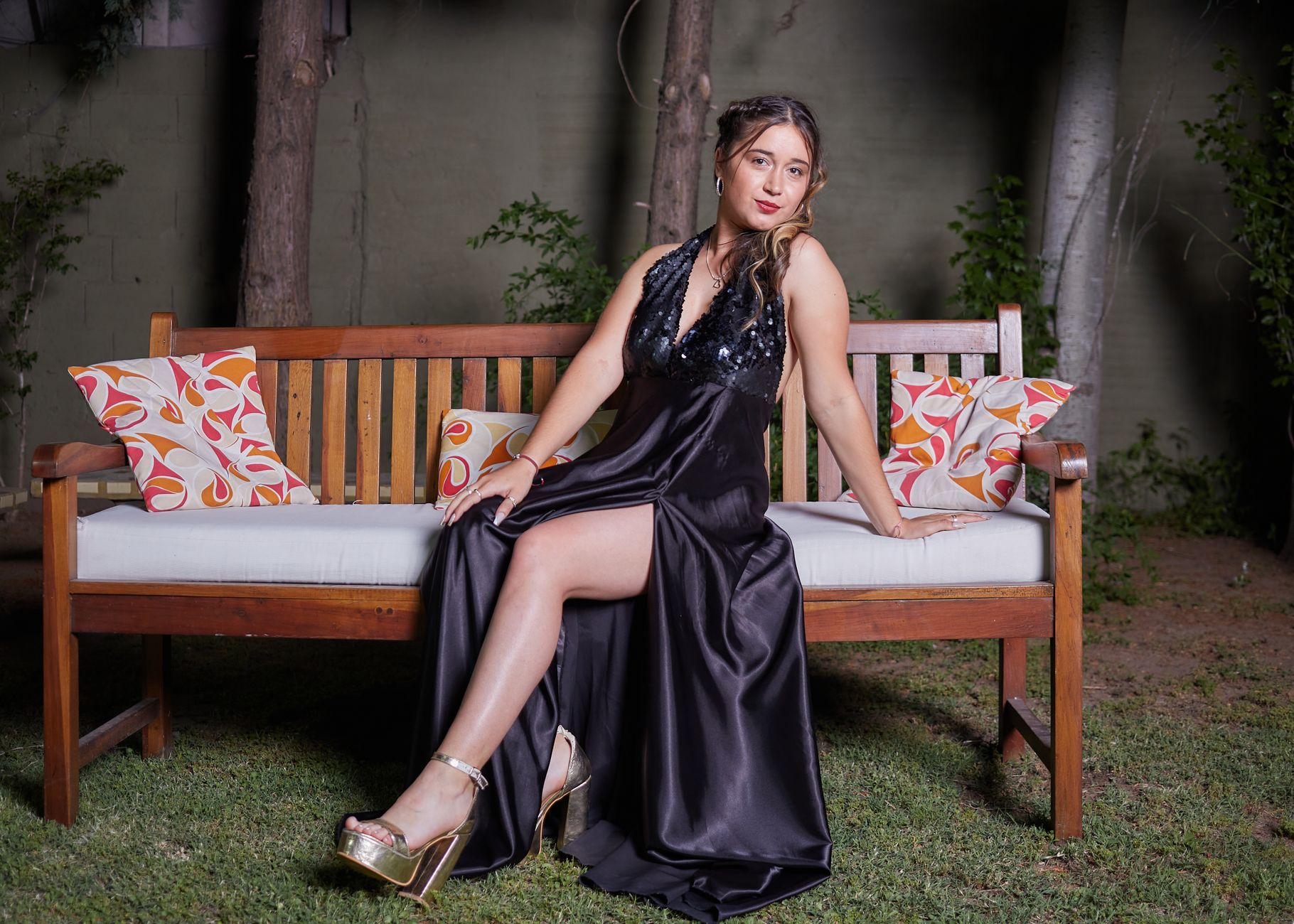
Black tie attire for women is a formal dress code that calls for elegance and sophistication. Traditionally characterized by floor-length gowns, it has evolved to encompass various interpretations while still maintaining a level of formality distinctive to evening events.
This guide will explore the meaning, origin, and styling options related to black tie dressing for women. Whether attending a charity gala, a wedding, or an awards ceremony, understanding this dress code will ensure you make a polished appearance.
What Is Black Tie for Women?
Black tie for women indicates a level of formal attire typically worn for elegant evening events. These outfits often feature sophisticated silhouettes, luxurious fabrics, and tasteful accessories. While the classic long gown is a staple, modern interpretations also include stylish cocktail dresses and tailored suits.
The Origin of Black Tie
The term “black tie” originated in the 19th century as a less formal alternative to white tie attire. White tie was the most formal dress code, typically requiring tailcoats and white bow ties for men. The tuxedo, or dinner jacket, emerged in the late 1800s, and as it gained popularity, so did the corresponding evening dresses for women.
As society evolved, black tie became a common dress code for semi-formal events. The exact requirements continue to shift, influenced by changing fashion trends and cultural norms, allowing for greater personal expression while still adhering to the formality associated with the occasion.
Key Elements of Black Tie Attire for Women
When dressing for a black tie event, consider the following key elements:
- Dress Length: Traditional black tie attire typically involves long gowns or formal floor-length dresses. However, cocktail dresses can also be acceptable in modern contexts.
- Fabric Choices: Fabrics such as silk, chiffon, taffeta, and velvet offer a luxurious feel suitable for evening wear. Consider options with rich textures and subtle shine.
- Colors: While black is a classic staple, deep jewel tones, pastels, and metallics can also work well. Choose colors that complement your skin tone and reflect your personal style.
- Accessories: Complement your outfit with elegant jewelry, chic clutches, and sophisticated heels. Limit the number of accessories for a streamlined appearance.
- Footwear: Opt for heels or dressy flats. Choose shoes that elevate your height without compromising comfort.
Outfit Combinations for Black Tie Events
Curating the perfect black tie outfit can be a simple yet rewarding process when you know what to look for. Here are several ready-made outfit ideas:
1. Classic Floor-Length Gown
A timeless choice, a classic floor-length gown in a rich shade will elevate your look instantly. Pair it with:
- Gown: A fully lined, satin gown with a form-fitting bodice and a flowing skirt.
- Footwear: Strappy stilettos or classic pumps.
- Accessories: A statement necklace and a coordinating clutch.
2. Elegant Jumpsuit
A well-tailored jumpsuit can be a modern alternative to a gown. Style it with:
- Jumpsuit: A fitted, tailored jumpsuit with wide legs and a defined waist.
- Footwear: Block-heeled mules for comfort.
- Accessories: Dangle earrings and a metallic belt to define the waist.
3. Cocktail Dress with a Twist
Choose a knee-length or mid-calf cocktail dress with distinctive features, such as asymmetrical hems or unique necklines. Complement with:
- Dress: A fitted lace cocktail dress.
- Footwear: Pointed-toe ankle boots for an edgy flair.
- Accessories: A chic clutch and layered necklaces.
4. Tailored Suit
A tailored suit is a bold statement that deviates from tradition. Style it with:
- Suit: A well-fitted tuxedo blazer matched with tailored trousers or an elegant jumpsuit.
- Footwear: Classic loafers or dressy ankle boots.
- Accessories: Minimalist jewelry and a structured handbag.
Styling Tips for Black Tie Events
Enhancing your black tie outfit is about the little details. Here are essential styling tips:
Fit and Proportion
The fit of your outfit is paramount. Clothes should complement your body shape. Here’s how to ensure a suitable fit:
- Tailor garments that don’t fit perfectly—this ensures they frame your body in the best light.
- Choose outfits with structured shapes to create an hourglass silhouette.
- If opting for a fitted dress, balance it with looser silhouettes in your accessories or outerwear.
Layering for Comfort
Black tie events may include various temperatures, so consider layering. A tailored shawl or a stylish wrap can add warmth and texture while remaining sophisticated.
Seasonal Considerations
When dressing for different seasons, keep fabric and color in mind:
- Spring/Summer: Lightweight fabrics in bright colors or floral prints can add vivacity.
- Fall/Winter: Darker hues in heavier fabrics, plus layering options like faux fur wraps, enhance elegance.
Accessorizing with Elegance
Accessories can elevate your outfit or overwhelm it. Choose wisely:
- Avoid over-accessorizing; focus on one or two statement pieces.
- Coordinate metal tones with your outfit’s palette—gold, silver, or rose gold can enhance your look.
- Invest in a quality clutch or evening bag that ties together your outfit.
Common Black Tie Missteps
Even seasoned styles can stumble in formal settings. Here are some common missteps to avoid:
- Overdressing: Adhering strictly to the code while overshadowing the event can be distracting.
- Underdressing: Casual choices may give off an inappropriate vibe; aim for elegant, not laid-back.
- Ignoring Comfort: Choose fabrics and styles that allow freedom of movement while still looking elegant.
Garment Care for Black Tie Attire
The care of your black tie pieces is essential to maintain their quality and longevity:
- Heavy Fabrics: Items like silk and taffeta should be dry cleaned to prevent damage.
- Jewelry: Store it safely to avoid scratches and tarnishing; clean it according to the manufacturer’s recommendations.
- Storage: Use padded hangers for dresses and suits to maintain shape, and store in breathable garment bags.
How to Build a Capsule Wardrobe for Black Tie Events
A curated capsule wardrobe focused on black tie essentials can streamline your dressing process. Here are key components to consider:
Essential Pieces
- Classic Little Black Dress: Reliable for numerous occasions—customize styling with accessories for freshness.
- Versatile Jumpsuit: An elegant alternative that can be styled for different events.
- Statement Accessories: A few select pieces that elevate any outfit, such as a bold necklace or vintage earrings.
- Quality Footwear: Invest in a pair of high-quality pumps that blend style with comfort.
- Outerwear: A chic bolero or shawl for chilly events can enhance your wardrobe’s versatility.
Color Palette
To ensure coherence, choose a cohesive color palette with neutral bases and pops of color to express your mood. Keeping it simple allows greater mixing and matching without losing elegance.
Shopping for Black Tie Attire
When seeking the perfect black tie outfit, consider these shopping tips:
- Set a Budget: Establishing a price range can make the process focused and enjoyable without overspending.
- Know Your Fit: Measure yourself before shopping and refer to a brand’s size chart to avoid fitting issues.
- Explore Rentals: For occasional events, consider renting garments to access high-end looks without the hefty price tag.
The Cultural Context of Black Tie
Dress codes like black tie can be influenced by culture and locality. Understanding these nuances can help you adapt your look appropriately:
- Some cultures may have specific color meanings; be mindful when choosing shades.
- Attending international events may require different interpretations of formal wear, so remain adaptable.
- As black tie becomes more inclusive, outfits may incorporate gender-neutral options and creative self-expression.
Dressing Inclusively and Comfortably
Today, black tie dressing acknowledges individuality and inclusivity. Here’s how to accommodate all stylizations:
- Consider fabrics and cuts that are flattering for different body shapes.
- Explore gender-neutral suits, dresses, or tailored options that suit everyone.
- Acknowledge personal style preferences—what works for one may be different for another and that’s completely acceptable.
In summary, black tie attire for women encompasses a variety of sophisticated options that reflect personal style while adhering to a formal dress code. Understanding the key components, common missteps, and how to curate a stylish and diverse wardrobe will empower your fashion choices. Whether rocking a gown or a chic suit, your confidence will undoubtedly shine through.
Next time you’re invited to a formal occasion, consider trying an elegant jumpsuit, a classic gown, or even a tailored suit. Explore our guides on understanding black tie for women and what to wear to a black tie wedding for more inspiration and styling tips.