
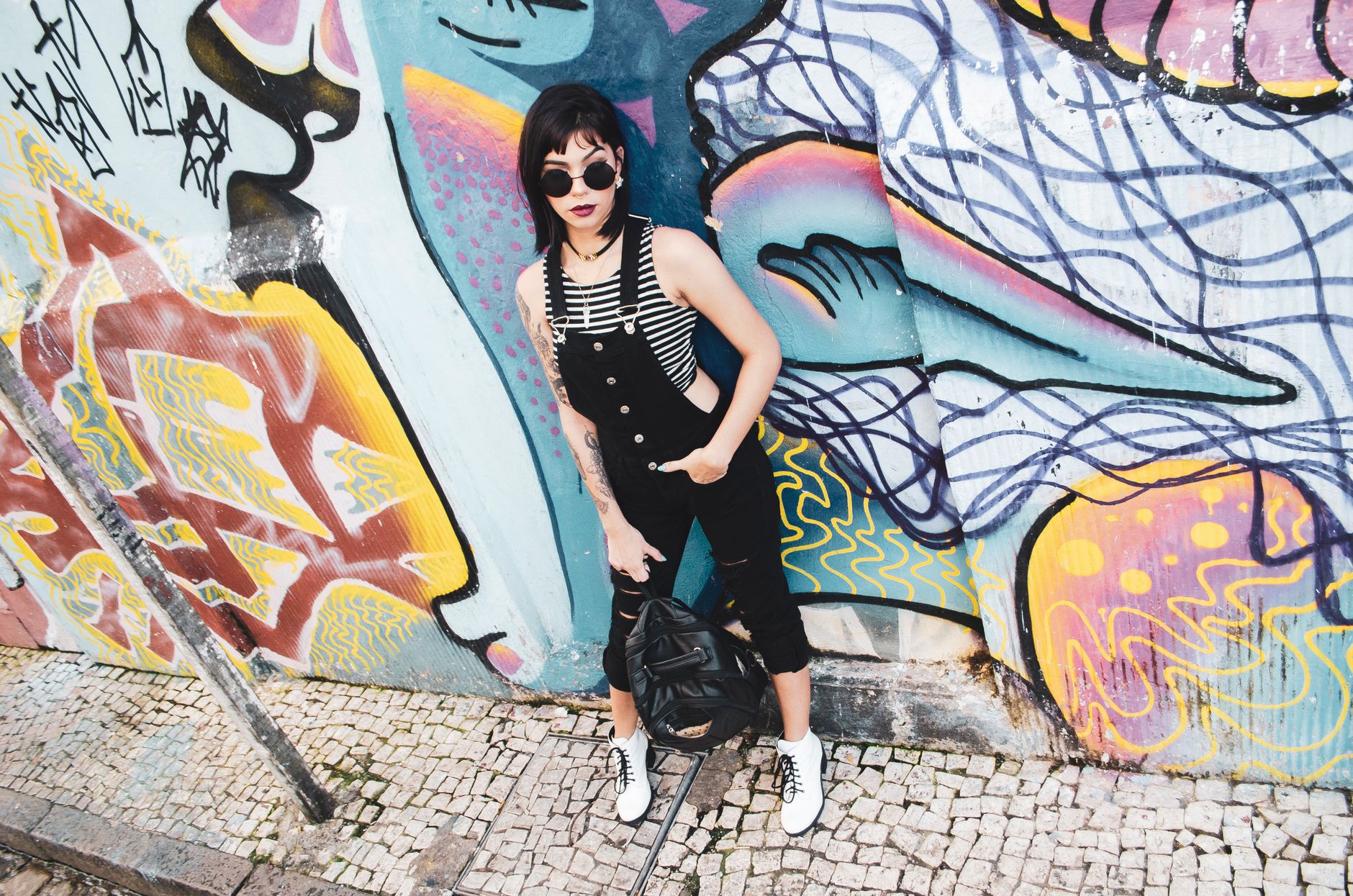
Alt style is a vibrant and diverse fashion aesthetic that embraces individuality, self-expression, and subcultures. Spanning various styles and influences, it often contrasts with mainstream fashion trends. This guide will explore the meaning, history, types, and practical styling tips related to alt style.
From its roots in alternative music scenes to contemporary interpretations, understanding alt style helps you embrace its eclectic spirit. Whether you’re aiming to incorporate elements of punk, goth, grunge, or anything in between, this guide will provide insights and outfit ideas for ultimately expressing your unique identity.
What Is Alt Style?
Alt style refers to a fashion aesthetic that includes various subcultures, often characterized by its non-conformist attitude. It’s a rejection of mainstream fashion norms, favoring personal expression and creativity. Common elements include bold colors, unique silhouettes, and inspirations drawn from various social and musical movements.
History of Alt Style
The roots of alt style can be traced back to the 1970s and 1980s, during the rise of alternative music genres like punk, goth, and grunge. Each of these movements brought distinctive fashion elements that contributed to the development of alt style.
- Punk: Originating in the mid-1970s, punk fashion featured leather jackets, ripped jeans, and band t-shirts, often accessorized with studs, chains, and safety pins. It challenged societal norms through edgy styles.
- Goth: Emerging in the late 1970s and 1980s, gothic fashion embraced darker colors, lace, velvet, and corsetry, reflecting its connection to gothic literature and aesthetics.
- Grunge: In the early 1990s, grunge fashion popularized a more casual look with oversized flannels, combat boots, and distressed denim, reflecting a sense of rebellion against polished images.
As these movements evolved, they influenced one another and spawned new subcultures, all contributing to the rich tapestry of alt style. The turn of the millennium saw the rise of streetwear and the proliferation of digital platforms, allowing alternative fashion followers to showcase their styles globally.
Types of Alt Style
Alt style encompasses a variety of sub-genres, each with its distinct characteristics. Here are some of the prominent types:
- Gothic: Characterized by black clothing, lace, and dramatic makeup, gothic fashion often involves Victorian or Victorian-inspired pieces. Skirts, corsets, and dark accessories create a hauntingly beautiful look.
- Punk: Featuring leather jackets, combat boots, and graphic tees, punk fashion speaks to rebellion and nonconformity. DIY elements and personalization, such as patches and safety pins, are integral to the style.
- Grunge: This style favors comfort and an effortlessly cool vibe, with oversized flannels, distressed jeans, and chunky boots. Layering is essential, as are thrifted and vintage finds.
- Emo: Emo fashion often includes skinny jeans, band t-shirts, and hoodies. Key elements are dark colors, Converse sneakers, and accessories like wristbands. Graphic tees and layered hairstyles often enhance this look.
- Cyberpunk: Inspired by futuristic themes, cyberpunk fashion incorporates metallic colors, mesh fabrics, and tech-inspired accessories. Think of high-tech adornments paired with bold streetwear.
- Scene: A more colorful and playful blend of alternative styles that emphasizes vibrant hair colors, accessories, and flared jeans. Scene fashion combines elements from pop culture and music scenes.
Building Your Alt Style Wardrobe
Curating an alt style wardrobe is all about mixing and matching pieces to create your unique look. Here are some essential categories and items to consider:
Wardrobe Essentials
- Outerwear: A statement jacket or coat, such as a leather biker jacket or oversized denim jacket, is key to building an outfit.
- Tops: Graphic t-shirts, band tees, lace tops, and oversized sweaters all contribute to a versatile wardrobe.
- Bottoms: Consider skinny jeans, distressed denim, plaid skirts, or combat pants. Layering different styles creates option efficiency.
- Dresses: Slip dresses, lace-trimmed styles, and oversized tunics are great foundational pieces.
- Shoes: Footwear can range from combat boots, platform shoes, and doc martens to chunky sneakers.
- Accessories: Statement jewelry, hats, chokers, and a variety of bags elevate your outfits. Don’t shy away from layering multiple accessories for a bolder effect.
Color Coordination
Alt style is known for its eclectic palette. Here are essential tips for effective color coordination:
- Build a cohesive color palette that reflects the alt aesthetic, including darker tones, jewel tones, and vivid hues.
- Experiment with bold prints, patterns, or textures to add dimension to your outfits.
- Monochromatic outfits can offer a sleek look, while contrasting colors create an eye-catching ensemble.
Layering Techniques
Layering is a crucial aspect of alt style, as it allows you to combine different pieces for a cohesive look. Consider the following methods for effective layering:
- Start with a base layer, like a fitted t-shirt or tank top, and add additional pieces like cardigans, vests, or jackets.
- Mix textures for added depth. A leather jacket over a cotton graphic tee offers an intriguing contrast.
- Play with length and proportion. Pair longer tunics or dresses with shorter jackets for visual interest.
Seasonal Dressing in Alt Style
Adjusting your wardrobe for seasonal changes while maintaining alt style is essential. Here’s how to adapt your outfits through the seasons:
Spring and Summer
- Opt for lightweight fabrics like cotton and linen for breathability.
- Consider layering with kimonos or light cardigans for a pop of color or pattern.
- Incorporate bright accessories like scarves or bold jewelry for a splash of color against darker outfits.
Fall and Winter
- Introduce heavier materials like wool and denim jackets to keep warm while remaining stylish.
- Layer up with chunky knit sweaters or flannel shirts under jackets.
- Footwear options may include ankle boots or knee-high options to adapt to cooler temperatures.
Occasion Dressing with Alt Style
Alt style can be versatile enough to suit various occasions, including casual outings, work settings, and formal events. Here’s how to dress appropriately:
Workwear
- Combine tailored trousers with a graphic tee and a blazer for a polished but expressive office look.
- Choose more understated pieces and prints in muted colors for formal environments.
- Accessorize with minimalist jewelry for a professional touch while emphasizing individual style.
Casualwear
- Mix baggy jeans with a fitted band tee, finishing with a stylish jacket or oversized flannel.
- Pair a casual dress with combat boots for an effortlessly chic vibe.
- Layer accessories such as beanies, chains, or cuff bracelets to elevate your casual outfit.
Formalwear
- A long black dress with lace detailing can offer a sophisticated option for formal events. Consider adding a leather jacket for a hard edge.
- For men, tailored suits complemented by graphic shirts can effectively blend formal with casual.
- Use statement makeup or bold hair colors to add flair to your formal outfit without overtly breaking dress code.
Understanding Fit and Fabrics
Fit is crucial in developing your alt style. Here’s how to choose the right fit and fabric for your body type:
Fit Considerations
- Understand your body shape and choose pieces that complement your figure. For instance, high-waisted jeans can elongate the legs.
- Focus on comfort without sacrificing style by selecting garments that allow for movement.
- Use layering to create flattering silhouettes. A long cardigan can change the proportions of an outfit effectively.
Fabric Characteristics
When selecting pieces for your wardrobe, considering fabric is essential. Here’s an overview of commonly used materials in alt style:
- Cotton: Breathable and versatile, suitable for various weather conditions.
- Denim: Durable and available in multiple weights, ideal for different styles and outfits.
- Leather: Adds edginess and structure; consider different types like faux or real leather based on your preference.
- Lace: Offers a touch of femininity and layers beautifully, especially in gothic-inspired outfits.
Accessory Choices in Alt Style
Accessories play a significant role in achieving the alt aesthetic. Here are some key points for making thoughtful accessory choices:
- Jewelry: Layering necklaces, chunky rings, and unique bracelets can enhance your outfits significantly.
- Bags: Choose interesting shapes or edgy designs like backpacks, crossbody bags, and clutches that reflect alt styles.
- Hats: Beanies, fedoras, and wide-brimmed hats can be stylish additions that also provide flair to your look.
Garment Care Tips
Taking care of your alt style wardrobe ensures longevity and preserves the unique qualities of each piece. Use the following garment care tips:
- Always check the care labels on garments before washing. Different fabrics may require varying care methods.
- Hand wash delicates or use gentle cycles; avoid drying machines when possible to prevent wear.
- Store clothes properly; hang items that need structure, and fold those that can lose shape during storage.
Shopping for Alt Style
Building your alt style wardrobe can be fun yet functional. Here’s how to shop wisely:
Where to Shop
- Explore thrift stores and vintage shops to discover unique pieces that reflect your style.
- Look into independent brands or alternative fashion retailers that cater specifically to alt styles.
- Online marketplaces often have a wide range of options; consider second-hand purchases to find unique items.
Budgeting
Being mindful of your budget while building an alt style wardrobe is essential. Here are some tips:
- Invest in key pieces that will last; consider higher quality items for your wardrobe foundation.
- Mix high and low pieces for a balanced look without extensive spending. A statement jacket can elevate simpler everyday outfits.
- Stay on the lookout for sales or discounts from your favorite alt style brands.
Final Thoughts
Exploring alt style is an opportunity to express your individuality and creativity through fashion. Embrace different subcultures, experiment with layering, color coordination, and enjoy the individuality that comes with selecting your pieces.
As you expand your wardrobe, remember to choose items that resonate with your personal style and comfort. Start by trying an outfit combination that incorporates varying pieces discussed in this article, paying attention to layering and colors that speak to you.
For further tips on style aesthetics, you may want to explore what being an alt girl entails or the intricacies of gothic fashion. Each unique style can contribute to your overall wardrobe and personal expression.