
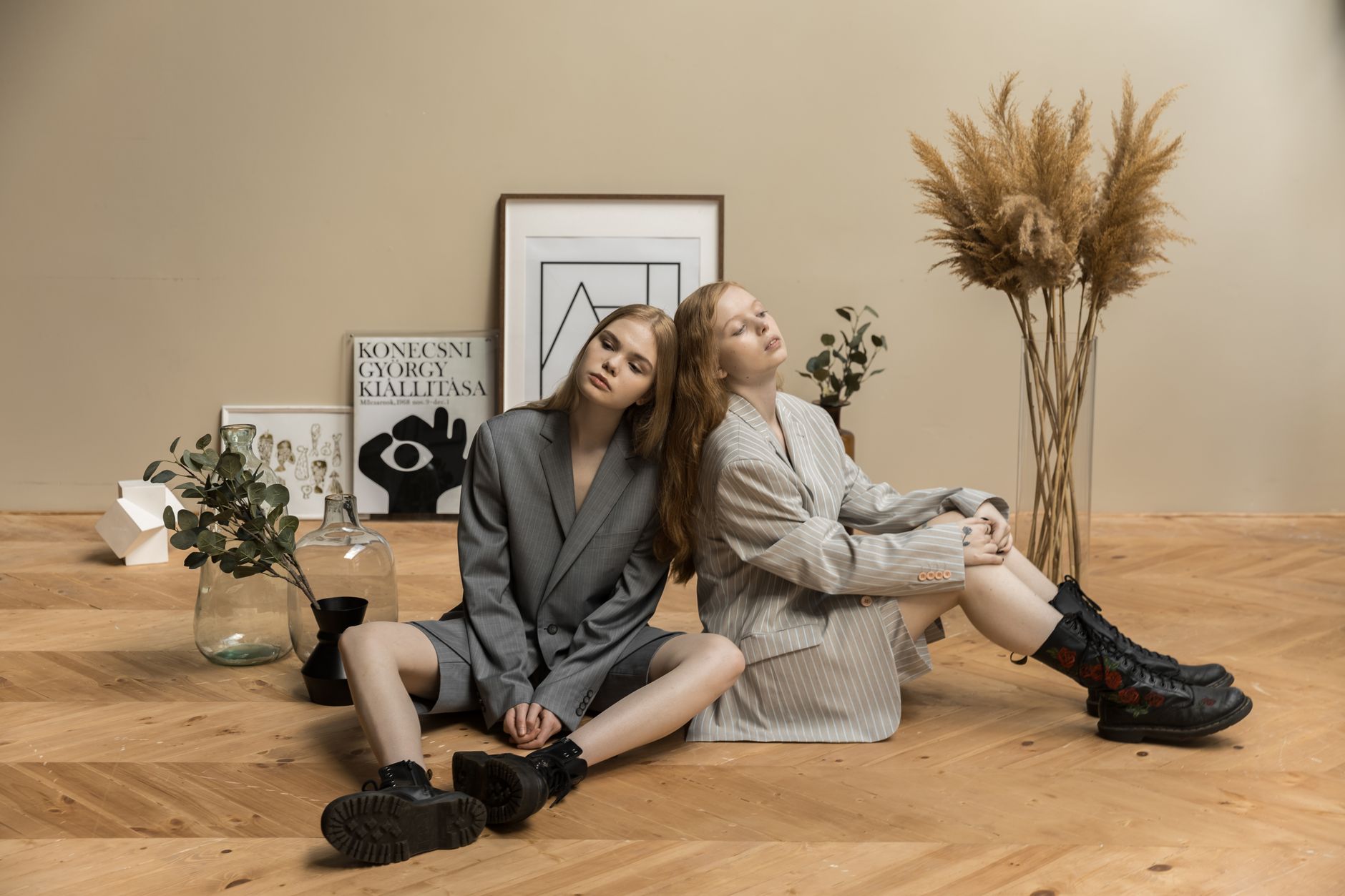
A lookbook is a curated collection of photographs that showcase outfits, styles, or collections, often used in fashion and retail. It serves as a visual tool to inspire potential buyers, clients, or followers by providing a glimpse of how clothing items can be styled together.
This article explores the meaning, history, types, and styling tips of lookbooks, ensuring you can effectively create one of your own or understand the significance of existing publications in the fashion world.
What Is A Lookbook?
A lookbook can be thought of as a presentation or portfolio that highlights fashion designs or collections through imagery. Unlike traditional catalogs, which list items for sale, lookbooks focus on the aesthetic and storytelling behind the clothing, displaying how pieces can come together to express a particular style or mood.
Originally a tool for brands and designers, lookbooks have evolved with the rise of social media, becoming accessible to individuals seeking outfit inspiration or showcasing their personal style. They bridge the gap between fashion design and personal expression, allowing anyone to curate their unique outfit collections.
History of Lookbooks
The concept of the lookbook dates back to the early 20th century, primarily used by fashion designers and retailers to promote their collections. It served as an essential marketing tool, particularly in the era before digital media, allowing designers to present garments in an eye-catching manner to prospective customers, stylists, and editors.
As fashion photography grew in popularity throughout the 1960s and 1970s, lookbooks began to incorporate more artistic photography styles. This shift focused on more than just the clothing itself, integrating elements of lifestyle and culture.
With the advent of the internet and social media, the accessibility of lookbooks surged. Aspiring fashion influencers and bloggers started creating their lookbooks, showcasing their own styles to broader audiences. This shift democratized fashion, making it easier for everyone to explore and express their personal style through curated visuals.
Types of Lookbooks
Lookbooks can take on various forms, depending on their purpose and audience. Here are some common types:
- Commercial Lookbooks: These are often created by brands and designers to promote a new collection, allowing customers to visualize how items complement one another.
- Personal Lookbooks: Individuals can create their lookbooks to express personal style, showcase favorite outfits, or plan seasonal wardrobes.
- Editorial Lookbooks: These are crafted for fashion magazines or blogs, usually featuring high-fashion styling, artistic photography, and often conceptual themes.
- Digital Lookbooks: More recently, many lookbooks have transitioned online. Brands create interactive digital lookbooks, enhancing user experience through multimedia elements.
Creating Your Lookbook
Whether you’re a fashion brand or an individual looking to express your style, creating a lookbook can be a rewarding experience. Here’s a step-by-step guide:
1. Define Your Theme
Choose a concept or theme that reflects the overall vibes you want to convey. This may relate closely to seasonal trends, lifestyle aspects, or even color palettes.
2. Curate Your Outfits
Select a range of outfits that fit your theme. When curating, consider the following:
- Personal Style: Include pieces that resonate with your personal aesthetic.
- Seasonal Considerations: Think about the climate and how your chosen garments fit within that.
- Occasions: Ensure variety by incorporating outfits suitable for different events, such as casual outings, formal gatherings, or work attire.
3. Plan the Photography
Visual presentation is key. Decide whether you will hire a photographer or use your devices. Pay attention to background, lighting, and angles to enhance the outfit presentation. Here are some tips:
- Use natural lighting if possible, as it tends to create a more flattering and warm ambiance.
- Choose backgrounds that complement your outfits without overshadowing them.
- Experiment with different angles to find the most flattering and engaging perspectives.
4. Style Your Shots
Each outfit should be presented in a way that highlights its best features. Consider the following styling elements:
- Incorporate accessories like jewelry, hats, and bags to enhance the outfits.
- Focus on appropriate layering techniques to add depth and interest.
- Be mindful of footwear choices that align with the vibe of the outfits.
5. Assemble and Design
Once you have your images, it’s time to assemble your lookbook. You can use platforms like Adobe InDesign, Canva, or even simple slideshows to organize images cohesively. Keep in mind:
- Maintain consistent spacing and alignment for aesthetic appeal.
- Include captions or notes explaining each look or offering styling tips.
- Consider using a cohesive color palette to create visual harmony.
6. Share Your Lookbook
Whether you choose to distribute your lookbook digitally through social media platforms or print copies for local fashion events, sharing it widens the reach of your creative expression. Use hashtags or tags relevant to your theme for better visibility.
Styling Tips Inspired by Lookbooks
Now that you understand the essence of lookbooks, let’s delve into some specific styling tips to help you achieve chic and curated outfits based on common principles found in lookbooks.
Outfit Combinations
Creating versatile outfits can be easier when you think in terms of cohesive combinations. Here are several ideas featuring essential wardrobe pieces:
- Workwear: Pair tailored trousers with a structured blazer and a silk blouse. Complement this look with pointed-toe flats or low heels for a polished finish.
- Casual Style: For a weekend outing, consider high-waisted jeans with a fitted turtleneck, layered under a striking oversized coat. White sneakers can complete this effortlessly stylish ensemble.
- Formal Attire: Choose a midi wrap dress with a fitted belt for an elegant silhouette. Complete the outfit with strappy heels and a clutch for special occasions.
- Layering: Experiment with layering a denim jacket over a light knit sweater and pairing it with an A-line skirt for a trendy yet warm look. Ankle boots work well here.
Seasonal Dressing
Adapting outfits for different seasons can elevate your overall style while ensuring comfort. Consider the following:
- Summer: Light and breathable fabrics such as cotton or linen are ideal. Opt for colorful sundresses or shorts paired with airy blouses. Don’t forget sandals or open-toe shoes.
- Fall: Layering becomes essential as temperatures drop. Use long-sleeve tops paired with cardigans or light jackets. Booties can enhance the overall aesthetic.
- Winter: Select heavier fabrics like wool or cashmere. Combine chunky knitwear with tailored trousers, and layer with a tailored coat. Scarves or beanies can add warmth while styling.
- Spring: Embrace lighter materials but keep warming layers handy. Pair floral dresses with denim jackets, and complement with loafers or espadrilles.
Color Coordination
Understanding color coordination can enhance the outfit’s visual appeal. Here are some key concepts:
- Complementary Colors: Use the color wheel to find shades that enhance each other. For instance, pairing blue with orange or purple with yellow can create striking outfits.
- Monochromatic Looks: Choose varying shades of the same color for a sleek, cohesive appearance. For example, combining different shades of blue can create a sophisticated vibe.
- Accent Colors: Incorporate a pop of color through accessories or a statement piece to add interest to neutral outfits.
Accessorizing Wisely
Accessories can either elevate or overwhelm an outfit. Here’s how to use them effectively:
- Select one statement piece, such as oversized earrings or a bold necklace, to focus attention.
- Layer delicate chains for a trendy, modern look.
- Be mindful of the weight and scale of your accessories, ensuring they complement rather than overpower the outfit.
Essential Wardrobe Pieces for Your Lookbook
Having foundational wardrobe pieces is essential for creating versatile outfits. Here’s a list of essential items to consider incorporating into your lookbook:
- Classic White Shirt: A versatile mainstay, perfect for both casual and formal settings.
- High-Waisted Jeans: Flattering for all body types, easily styled for any season.
- Tailored Blazer: A polished piece suitable for office wear or dressing up casual outfits.
- Little Black Dress: The go-to item for various occasions, easily styled up or down.
- Comfy Sneakers: Essential for casual and laid-back outfits, merging style with comfort.
- Versatile Outerwear: A well-fitting trench coat or denim jacket can adapt to any seasonal outfit.
Garment Care and Maintenance
To ensure the longevity of your curated looks, proper garment care is critical. Here are general care instructions:
Washing Techniques
- Always check the care label for specific washing instructions.
- Sort clothing by color and fabric type to avoid damage or discoloration.
- Use cold water for most fabrics, as it is gentler and prolongs color and fabric integrity.
- Consider using a laundry bag for delicate items to minimize wear during washing.
Drying and Ironing
- Air dry when possible, especially for delicate items; avoid high heat that can shrink or damage garments.
- If using a dryer, set it on a low-heat setting to minimize fabric stress.
- Iron garments according to their fabric type; remember to adjust settings from cotton to synthetics to avoid burning.
Storage Tips
- Store seasonal pieces in labeled bins or vacuum-sealed bags to save space.
- Use padded hangers for delicate garments to maintain their shape.
- Organize your wardrobe by outfits or color to encourage creativity with styling.
Conclusion
A lookbook is more than just an assembly of images; it is a meaningful way to express style and creativity. Through understanding its essence, history, and practical applications, you can create your lookbook to inspire others or enhance your wardrobe choices. Start by defining your style, curating outfits, and ensuring proper care for your garments.
Ready to dive deeper into your styling journey? Explore how to style linen pants or discover the unique charm of floral dresses to expand your personal lookbook today.