
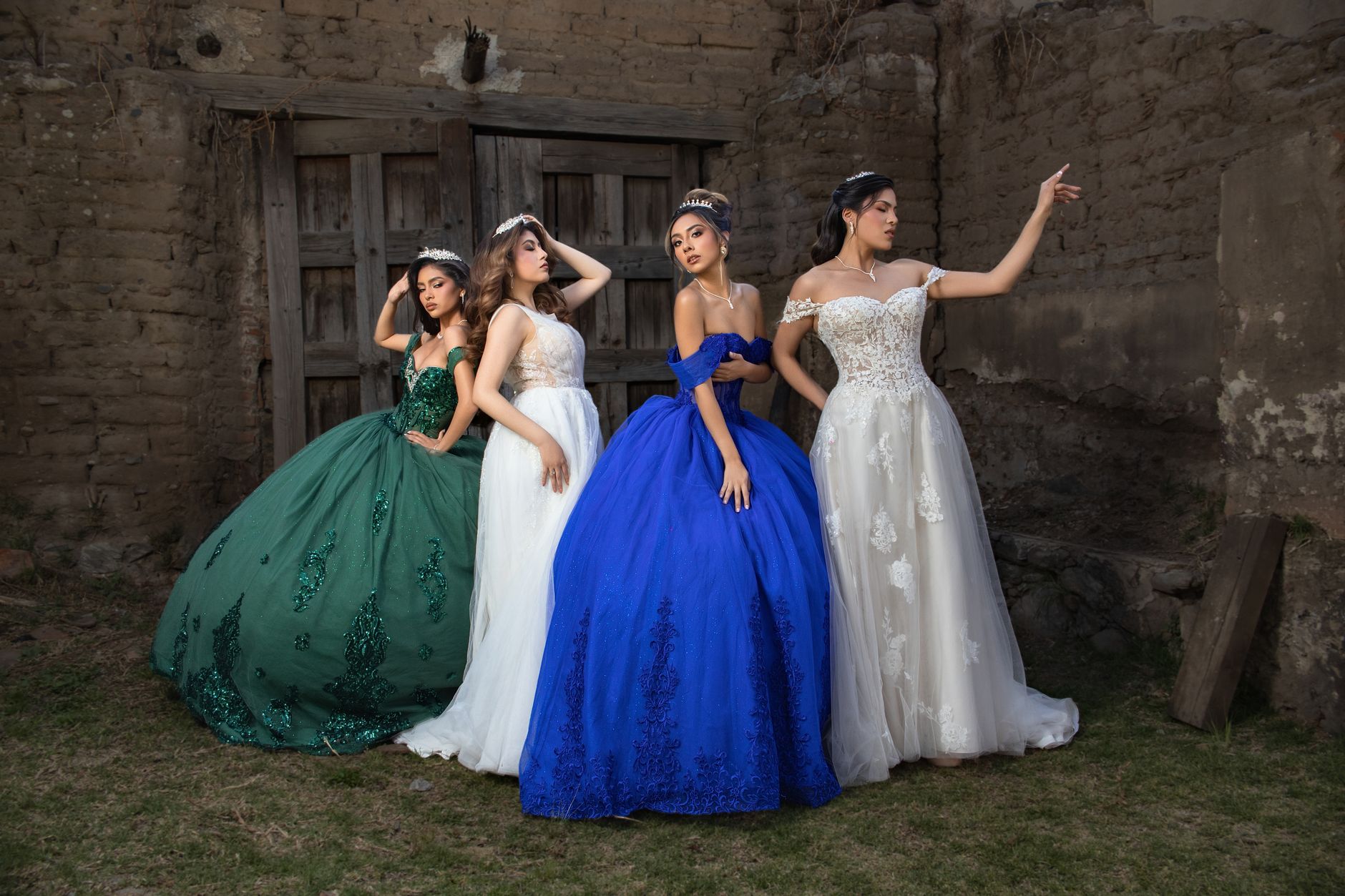
A gown is a long and flowing garment often associated with formal occasions or celebrations. It transcends mere function, embodying elegance and style. Gowns can vary significantly in terms of design, fabric, and purpose, making them a key component of many wardrobes.
From ball gowns to evening dresses, the versatility of gowns allows them to suit various body types and personal styles. In this article, we’ll explore the meaning of gowns, their history, different types, and essential styling tips to guide your wardrobe choices.
What Is A Gown?
A gown is typically defined as a formal dress characterized by its long silhouette, often extending to the floor. While initially women’s attire, gowns can also be designed for different occasions and styles, including those suitable for men. They often feature intricate designs, various fabrics, and are typically worn for special occasions.
History of Gowns
The history of gowns dates back centuries, with their roots visible in ancient civilizations. Initially, gowns were elaborate garments made from luxurious fabric, often worn by the upper echelon of society. Over time, gowns have evolved with cultural shifts and fashion movements, adapting to societal norms and personal expression.
Early Historical Context
In ancient Greece and Rome, women wore long tunics that can be seen as precursors to modern gowns. Similarly, during the Renaissance, gowns became more structured and adorned with intricate details, indicative of the wearer’s status. The Victorian era further shifted the aesthetic of gowns, introducing corsetry and voluminous skirts to emphasize femininity.
Modern Gown Evolution
By the 20th century, gowns had transitioned significantly, with styles shifting from extravagant ball gowns to more sophisticated evening wear. Notable fashion icons throughout history, like Audrey Hepburn and Coco Chanel, have contributed to redefining gowns, promoting simplicity and elegance.
Types of Gowns
Gowns come in a variety of styles, each suited to different occasions and preferences. Below are some of the most popular types:
- Ball Gown: Characterized by its full skirt and fitted bodice, the ball gown is perfect for formal events like proms or galas.
- A-Line Gown: This gown style flares out from the waist, forming an “A” shape that flatters various body types.
- Sheath Gown: A fitted gown that hugs the body’s natural curves, ideal for showcasing the figure.
- Mermaid Gown: Featuring a fitted silhouette that flares out at the knee, this gown is designed to accentuate the hips and create a dramatic look.
- Empire Waist Gown: With a high waistline just under the bust, this style elongates the body and is especially flattering for petite frames.
- Maxi Gown: A longer, flowing gown that often offers a more relaxed vibe, suitable for casual or semi-formal events.
Style Guide for Gowns
Understanding how to style a gown effectively can elevate your outfit for any occasion. Here are practical tips to help you style gowns confidently.
Choosing the Right Gown
When selecting a gown, consider your body type, the occasion, and your personal style. Here are some tips for choosing the right gown:
- Body Type: Opt for styles that complement your figure. For example, A-line and empire waist gowns are flattering for almost all body shapes.
- Occasion: Consider the dress code when choosing a gown. A ball gown may be inappropriate for a casual outdoor wedding.
- Fabric: Select fabrics that meet the season and climate. Lighter materials like chiffon work well for summer events, while heavier fabrics like velvet are ideal for winter.
Colors and Patterns
Color plays a significant role in how a gown is perceived. Here’s how to choose wisely:
- Classic Colors: Black, white, and navy are timeless and versatile choices that can be easily accessorized.
- Pastels and Brights: These shades are great for spring and summer occasions, lending a cheerful vibe.
- Patterns: Floral prints can add fun to summer looks, while rich fabrics like brocade can create a more luxurious appearance.
Layering and Accessories
Layering and accessorizing your gown can enhance its overall look:
- Outerwear: A tailored blazer or a stylish shawl can offer warmth and a touch of sophistication.
- Footwear: The right shoes are crucial; heels work well for lengthening the legs, while ballet flats may be preferred for comfort.
- Jewelry: Opt for statement pieces or more subtle, delicate jewelry depending on your gown’s embellishments.
Occasion Dressing with Gowns
Gowns can be tailored for various events, from casual outings to formal receptions. Understanding the context of an occasion helps you navigate your gown choice effectively.
Formal Events
For black-tie affairs, opt for elaborately designed gowns made from luxurious fabrics. Consider:
- Floor-length gowns in silk or satin for a classic touch.
- Embellishments like sequins or intricate lace to enhance your look.
- Accessories that align with the formal nature, such as elegant clutch bags and statement jewelry.
Casual Gathering
For less formal gatherings, you can opt for lighter, breathable fabrics and more casual silhouettes. Suggestions include:
- Maxi gowns for a relaxed yet stylish vibe.
- Floral patterns for a cheerful appearance, suitable for picnics or brunches.
- Comfortable footwear like espadrilles to maintain a laid-back look.
Work Events
When dressing for professional occasions, it is essential to strike a balance between professionalism and style. Here are some tips:
- Select gowns in more muted colors or subtle patterns to maintain a professional appearance.
- Choose knee-length or tea-length gowns that adhere to workplace dress codes.
- Pair with structured blazers and closed-toe shoes to complete a polished ensemble.
Caring for Your Gown
Proper care extends the life of your gown, ensuring it looks fresh for years to come. Here are care tips:
Washing and Cleaning
- Always refer to the care label for washing instructions.
- For most delicate fabrics, hand washing or professional dry cleaning is recommended.
- Avoid harsh chemicals; stick to gentle detergents designed for delicate garments.
Storage
Correct storage helps maintain your gown’s shape and appearance:
- Store gowns in a cool, dry place away from direct sunlight to prevent discoloration.
- Utilize breathable garment bags instead of plastic to avoid moisture buildup.
- Hang gowns to preserve their shape, but ensure the hanger is padded to prevent stretching.
Footwear to Pair with Gowns
Selecting the right footwear is essential for the complete look of your gown. Consider the following:
- Heels: High-heeled shoes elongate the figure and enhance the overall silhouette of a gown, making them a go-to choice for formal events.
- Flats: Comfortable and versatile, flats can be ideal for more casual outings or when you’ll be on your feet for extended periods.
- Ankle Boots: A stylish option for colder months, ankle boots can add an edge to a gown when styled appropriately.
Creative Outfit Ideas with Gowns
Gowns can be surprisingly versatile. Here are some creative outfit ideas that incorporate gowns into your wardrobe:
Layer for Different Seasons
Seasonal dressing can be easily adapted by layering:
- In winter, pair a fitted turtleneck under a sleeveless gown for warmth and style.
- In summer, opt for lighter fabrics and accessories like a wide-brimmed hat for sun protection and flair.
Mix and Match Styles
Pairing different styles can create new looks:
- Combine a formal gown with a casual leather jacket for an edgy spin.
- Wear a soft cardigan over an A-line gown for a relaxed, afternoon look.
Color Coordination
Using a cohesive color palette can tie your outfit together:
- Choose accessories in tones that complement the gown’s color, such as metallics for a luxe look.
- Incorporate a patterned scarf that ties in with hues from your gown for added interest.
Conclusion
Knowing the meaning, history, and types of gowns gives you a strong foundation for building your wardrobe. Whatever your occasion—from a gala to a garden party—gowns offer a myriad of possibilities to express your personal style. With thoughtful selection, creative styling, and proper care, you can make the most of this versatile garment.
Consider experimenting with different styles, colors, and accessories to find the perfect gown combination for your next occasion. Interested in more styling tips? Explore our guides on choosing evening gowns and what to wear under graduation gowns to enhance your ensemble choices.