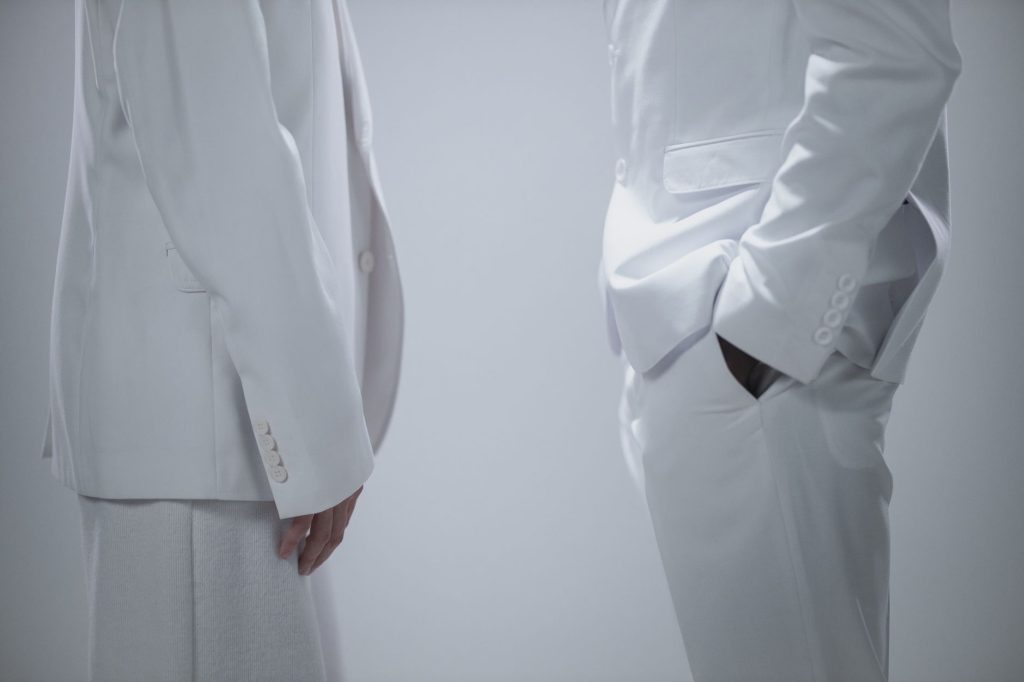
A bespoke suit is a unique garment tailored specifically to the wearer’s measurements and preferences. Unlike off-the-rack suits, bespoke suits offer an unparalleled level of customization, from the fabric selection to the design details. This article delves into what makes a suit bespoke, the benefits of investing in one, and how to properly care for and style your bespoke ensemble.
Whether you’re building a professional wardrobe or seeking a striking outfit for a special occasion, understanding bespoke suits can elevate your fashion choices. With knowledge about fit, fabric, and style, you can navigate the world of bespoke tailoring to find the perfect suit for any setting.
What Is a Bespoke Suit?
A bespoke suit is custom-made from scratch, tailored to the individual’s measurements. This process typically involves consultations with a skilled tailor, where you discuss your style preferences and choose from an extensive range of fabrics and design elements. This level of personalization distinguishes bespoke suits from made-to-measure or ready-to-wear suits, which have limited customization options.
Benefits of a Bespoke Suit
Investing in a bespoke suit can provide numerous benefits that off-the-rack options cannot match. Here are some key advantages:
- Perfect Fit: Every bespoke suit is crafted according to your body measurements, ensuring a fit that flatters your silhouette.
- Customization: From lapel styles to pocket shapes, you can choose details that reflect your personal style.
- Quality Craftsmanship: Bespoke suits are handcrafted using high-quality materials and techniques, often resulting in a garment that lasts longer than mass-produced alternatives.
- Unique Designs: With the ability to select fabrics, colors, and styles, you can create a suit that feels truly unique and personal.
- A Timeless Wardrobe Item: A well-made bespoke suit can serve you for years, maintaining both style and fit as your wardrobe evolves.
The Bespoke Tailoring Process
The journey to acquiring a bespoke suit typically follows several key steps. Understanding this process can help set the right expectations and ensure a satisfying experience.
Initial Consultation
Your first meeting with a tailor is a crucial step. During the consultation, you’ll discuss your needs, preferences, and budget. It’s a great time to bring inspiration photos or ideas for the suit’s overall aesthetic.
Measurements and Fittings
After discussing design elements, the tailor will take your precise measurements, including not just chest and waist but also shoulder breadth, arm length, and leg sizes. Depending on the tailor, you may have one or two fittings to refine the suit’s fit after the initial construction.
Fabric Selection
Choosing the right fabric is another essential aspect of creating a bespoke suit. Options may include wool, linen, silk, cotton, or blends, each offering different qualities in terms of weight, texture, and drape. The tailor can provide guidance on seasonal appropriateness and durability.
Final Fitting
Your final fitting allows the tailor to make any last-minute adjustments. It’s necessary to try on the entire suit—jacket and trousers—to ensure it meets your expectations in comfort and style.
Styling Your Bespoke Suit
Once you have your bespoke suit, the next step is to style it correctly. Here are some tips to consider for various occasions:
Business Attire
For a professional environment, a tailored suit can project confidence and competence. Combine your bespoke suit with the following:
- A crisp dress shirt in white or light blue.
- A silk tie in a solid color or subtle pattern that complements the suit.
- Dress shoes polished to a shine, such as oxfords or brogues.
- Accessories like a classic watch or cufflinks to elevate the look.
Cocktail Attire
For semi-formal events, style your bespoke suit with a more relaxed approach:
- A fitted dress shirt, potentially in a patterned fabric.
- A pocket square that adds a pop of color.
- Loafers or Chelsea boots for a modern twist on traditional footwear.
- Consider a waistcoat for added sophistication.
Casual Settings
Your bespoke suit can transition into more casual environments with the right styling:
- A casual shirt, like a well-fitted chambray or polo.
- Leave the tie at home for a slightly relaxed vibe.
- Opt for loafers or suede shoes for comfort.
- Add a lightweight sweater for layering during cooler months.
Seasonal Fashion and Bespoke Suits
Seasonal changes can dictate the fabrics and styles you choose for your bespoke suit. Here’s how to tailor your suit style for different seasons:
Spring and Summer
In warmer months, lightweight and breathable fabrics are ideal:
- Opt for linen or cotton blends that allow for airflow.
- Choose lighter colors like beige, light gray, or pastel shades to reflect sunlight.
- Consider unlined jackets for increased comfort.
Fall and Winter
For cooler temperatures, you can lean towards heavier fabrics:
- Wool, flannel, or tweed can provide warmth while maintaining a polished look.
- Darker hues such as navy, charcoal, or earthy tones can complement autumn and winter aesthetics.
- Layering with knitwear or a tailored overcoat can enhance both warmth and style.
Wardrobe Essentials: Building Around Your Bespoke Suit
Your bespoke suit can serve as a cornerstone for your overall wardrobe. By selecting versatile pieces, you can maximize its potential:
- Invest in a few high-quality dress shirts in classic colors and varying styles.
- Purchasing multiple ties allows you to change looks without needing multiple suits.
- Find shoes that match different occasions, such as formal oxfords and more casual loafers.
- Accessories such as belts, ties, and pocket squares can further diversify your looks.
- Consider outerwear options like trench coats or tailored overcoats to enhance your suit during colder months.
Caring for Your Bespoke Suit
Proper care will ensure your bespoke suit retains its quality over time. Here’s what to keep in mind:
Cleaning
Always refer to the care label for specific instructions. General guidelines include:
- Dry cleaning is typically recommended, but avoid over-cleaning to preserve the fabric’s integrity.
- Spot clean any stains with a damp cloth as soon as possible.
Storage
When not in use, store your suit properly to maintain its shape:
- Use a quality suit hanger to avoid creasing.
- Keep it in a breathable garment bag to protect it from dust.
Maintenance
Regular maintenance can keep your bespoke suit looking sharp:
- Use a steamer to remove wrinkles rather than ironing directly.
- Brush the fabric occasionally with a clothing brush to remove dirt and lint.
- Rotate your suits to prevent excessive wear on any single piece.
Shopping for a Bespoke Suit
Finding the right tailor is essential for your bespoke experience. Here are some tips for shopping:
- Research tailors in your area and read reviews to evaluate their reputation.
- Ask to see examples of their previous work, including detailed interiors of jackets and aligning stitching.
- Consider the tailor’s experience and specialties, such as traditional British tailoring or contemporary styles.
- Inquire about customization options to ensure they can accommodate your vision.
Sustainable Fashion and Bespoke Suits
In an era where sustainable fashion is increasingly vital, bespoke suits offer an eco-friendly option by creating a garment designed to last. Here are some points to consider:
- Quality craftsmanship often leads to durability, reducing the need for replacements.
- Selecting ethically sourced fabrics can enhance the sustainability of your garment.
- Support local artisans by choosing tailors who specialize in bespoke craftsmanship.
Brands and Designers of Bespoke Suits
There are numerous reputable brands and designers known for their bespoke attire. Here are a few noteworthy examples:
- Savile Row: This London street is synonymous with bespoke tailoring, housing world-renowned tailors like Anderson & Sheppard and Gieves & Hawkes.
- Brioni: An Italian luxury label known for impeccable craftsmanship and high-quality fabrics.
- Austin Reed: A historic brand focusing on classic British tailoring.
- Tom Ford: Offers modern, sharp-cut suits that often make headlines on red carpets.
When choosing a brand, consider your budget, style preferences, and how each designer’s aesthetic aligns with your personal style.
Understanding bespoke suits provides insight into a tailored world where customization and quality reign supreme. By selecting the right elements and caring for your suit, you can ensure both a timeless wardrobe staple and a potent expression of your personal style. As you explore bespoke tailoring, consider how you can adapt these lessons to fit your unique fashion journey.
To further enrich your fashion knowledge, explore our articles on business casual attire and cocktail attire. Each guide is designed to equip you with essential styling information for various occasions.