
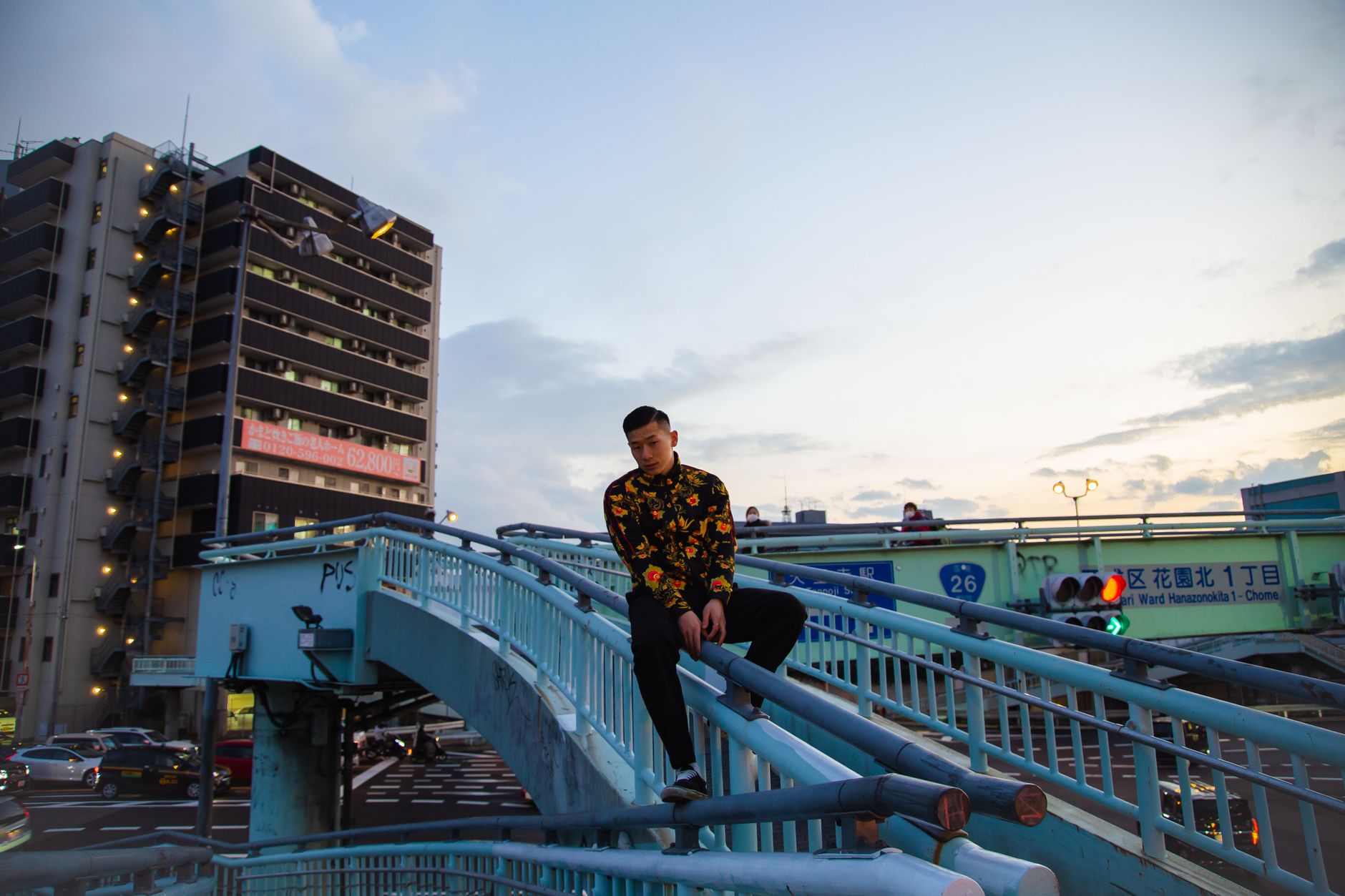
Fashion in Japan is a captivating and diverse aspect of culture, influenced by tradition, modernity, and an appreciation for craftsmanship. From street style in Tokyo to high-end fashion in Kyoto, Japanese style reflects a unique blend of values and aesthetics. This guide delves into various elements that define what fashion in Japan is all about.
Whether you’re looking for outfit ideas, wardrobe essentials, or insights into fabric care, understanding Japanese fashion can help you create a stylish and cohesive wardrobe. Let’s explore styles, fits, fabric choices, and practical tips for dressing inspired by this rich fashion heritage.
What is Fashion Japan?
Japanese fashion is characterized by its creativity, attention to detail, and fusion of traditional and contemporary elements. The styles can be categorized into several significant trends, each with its unique appeal, whether it’s the elegance of kimonos or the edgy aesthetic of streetwear.
Key Elements of Japanese Fashion
1. Street Style
Japanese street style is known for its bold, innovative, and sometimes eccentric elements. Tokyo’s neighborhoods, like Harajuku, are hotspots where individuals express their unique aesthetic. Key components include:
- Layering: Skillfully mixing and matching various garments to create depth and interest.
- Accessories: A love for statement accessories, ranging from hats to bags, which often define the style.
- Custom Pieces: Emphasis on unique, custom, or vintage items that tell a story.
2. Traditional Attire
Traditional Japanese clothing, such as kimonos, remains integral to the cultural fabric, especially for formal occasions. Key characteristics include:
- Luxe Fabrics: Predominantly silk, cotton, and hemp, providing comfort and elegance.
- Intricate Patterns: Often featuring motifs that reflect nature, seasons, or artistry.
- Fit and Structure: Kimonos are designed to drape elegantly on the body, often cinched with an obi, or sash.
3. Minimalism and Aesthetics
Japan’s fashion also embraces a minimalist aesthetic, often reflected in brands like Muji and Uniqlo. Principles include:
- Neutral Color Palettes: Use of monochrome or subdued colors makes for versatile outfits.
- Quality Over Quantity: A focus on durable, well-constructed pieces that stand the test of time.
- Timeless Silhouettes: Classically tailored garments that emphasize understated elegance.
4. Gender-Inclusive Style
Fashion in Japan often blurs traditional gender lines. Unisex clothing is common, allowing for greater expression of personal style. Look out for:
- Oversized Fits: Loose silhouettes that encourage comfort and individuality.
- Bold Graphics and Prints: Swapping typical gendered representations for neutral designs.
- Mixing Elements: Combining traditionally masculine and feminine clothing, such as pairing skirts with sneakers.
Outfit Ideas Inspired by Fashion Japan
Casual Streetwear
For an effortless street style, consider combining the following:
- Oversized graphic T-shirt
- High-waisted baggy jeans or culottes
- A pair of chunky sneakers
- An oversized denim jacket
- Accessorize with a bucket hat or crossbody bag
This outfit is perfect for day-to-day wear or casual outings, allowing you to express your individuality while being comfortable.
Smart-Casual Ensemble
For a smart-casual look that’s chic and approachable:
- A fitted white button-up shirt
- A pair of tailored black trousers
- Loafers or ankle boots
- A structured blazer
- Layer with a lightweight scarf for added style
This combination works well for informal office settings or relaxed dining experiences.
Layering for Seasonal Dressing
Layering is essential in Japan due to seasonal changes. Here’s a stylish layered outfit for colder months:
- A long-sleeved knit turtleneck
- Layer with a mid-length coat
- A chunky knit scarf
- High-waisted tapered trousers
- Combat boots for a touch of rugged style
This outfit ensures warmth while maintaining a fashionable edge.
Building a Capsule Wardrobe
A capsule wardrobe simplifies style and ensures each piece works together. Consider the following essentials:
- Basic T-shirts (Black, White, Gray)
- Tailored trousers and versatile skirts
- A classic blazer or a fitted jacket
- Layering pieces like cardigans and lightweight knitwear
- Quality footwear: versatile flats and classic sneakers
- Minimalist accessories: simple jewelry and structured bags
This approach to wardrobe building ensures you have a cohesive lineup that allows for endless combinations and saving time on outfit choices.
Fit and Proportion Guidance
Understanding fit and proportionality is critical in achieving stylish attire. Consider these tips:
- Tailoring: Invest in tailoring for pieces that fit well; the right fit can elevate even simple outfits.
- Balance: Pair structured items with more relaxed fits to create visual interest.
- Silhouette Awareness: Understand what shapes flatter your body type and emphasize your favorite features.
Color Coordination
Color plays a crucial role in fashion. Here are some suggestions for effective color coordination:
- Monochromatic Looks: Choose varying shades of one color for a sophisticated look.
- Complementary Colors: Pair colors located opposite each other on the color wheel for striking combinations.
- Accent Colors: Use bold colors as accents against neutral tones to create emphasis.
Understanding the color relationships can enhance your outfit choices and personal style.
Fabric Choices and Garment Care
The choice of fabric significantly impacts the wear and comfort of garments. Here are common Japanese fabrics and care tips:
Common Fabrics
- Silk: Soft, luxurious, and breathable but requires delicate care and often dry cleaning.
- Cotton: Versatile and breathable, easily washed but maintain quality through proper laundering.
- Denim: Durable but prone to fading; cold wash and air dry are best practices.
- Linen: Lightweight and breathable but wrinkles easily; steam or iron for a polished look.
Garment Care Tips
- Check care labels to avoid damaging materials.
- For delicate fabrics, consider handwashing or using a mesh laundry bag.
- Store items folded or hanging to maintain shape and fabric integrity.
- Regularly clean and maintain shoes and accessories to prolong their lifespan.
Occasion Dressing
Japan has unique dress codes for various occasions, whether informal gatherings or formal ceremonies. Here are some tips:
Casual Gatherings
For less formal outings:
- Opt for smart casual or streetwear styles.
- Dress for comfort while showing personal style through accessories.
Formal Events
For weddings or business meetings:
- Choose tailored suits or elegant dresses that reflect quality craftsmanship.
- Accessorize with classic pieces that elevate the overall look without being overpowering.
Seasonal Celebrations
For traditional or seasonal festivities like hanami (cherry blossom viewing):
- Consider wearing a kimono or yukata, reflecting care in choice of fabric and pattern.
- Footwear such as traditional geta or zori, completed with appropriate socks.
Footwear in Japanese Fashion
Footwear is a vital component of any outfit. Japanese fashion offers a range of styles that complement various looks:
Casual Footwear
- Sneakers: Classic white or graphic designs fit well with streetwear.
- Sandals: Comfortable yet stylish options for warm weather.
Formal Footwear
- Pumps: Classic style that works with dresses or tailored outfits.
- Loafers: Versatile alternatives that blend comfort with sophistication.
Accessorizing with Purpose
Accessories can transform any outfit. Here are some tips for thoughtful accessorizing:
- Statement Jewelry: Add bold earrings or layered necklaces to elevate simple looks.
- Bags: A structured handbag can serve as both a functional item and a statement piece.
- Hats: Using hats to play up textures and personality while providing protection from the elements.
Fashion History and Cultural Influences
Japanese fashion has evolved dramatically throughout history, influenced by various cultural interactions.
Historical Context
From the kimonos of the Edo period to the global influence of Harajuku’s street style, Japan embraces both traditional and innovative fashion. Key historical milestones include:
- The Meiji Restoration: Western influences were integrated leading to new styles and garments.
- Post-WWII: A shift in fashion began, focusing on subcultures while maintaining traditional roots.
Contemporary Influences
Today, Japan continues to influence global fashion trends through its unique styles and innovative design principles. Collaboration between designers and artists leads to fresh interpretations while honoring tradition.
Shopping for Japanese Fashion
Shopping for fashion inspired by Japan can be both enjoyable and challenging. Here are practical tips to navigate:
Key Areas for Shopping
- Department Stores: Look for a blend of luxury and affordable options all in one place in areas like Ginza.
- Street Boutiques: Charming finds in Harajuku, offering unique or artisanal goods.
- Online Marketplaces: Global platforms like Rakuten or Japanese thrift stores for hard-to-find items.
Considerations When Shopping
- Understand sizing differences as Japanese sizes may differ from Western standards.
- Check return policies to ensure flexibility if items do not fit.
- Invest in quality pieces that reflect craftsmanship; they will serve you well over time.
Japanese fashion encapsulates a dynamic blend of tradition and modernity that speaks volumes about self-expression. By understanding various styles, considering fit and fabric choices, and utilizing thoughtful accessorizing, you can create a wardrobe that resonates with your personal style while celebrating the beauty of Japanese fashion.
To further enhance your wardrobe, you may want to explore more tailored outfits and styling tips such as what to wear while visiting Japan or insights on Uniqlo, a famous Japanese brand known for its quality and versatility. Discovering these aspects can enrich your fashion journey.