Fashion designers play a crucial role in the world of style and clothing. From conceptualizing new clothing lines to overseeing production processes, their work can significantly influence trends and consumer choices. This article will explore the various responsibilities, processes, and skills involved in being a fashion designer, providing insights that can inspire your personal style journey.
Understanding the multifaceted nature of a fashion designer’s role can help demystify the fashion industry. Whether you’re interested in pursuing a career in fashion or simply looking to enhance your wardrobe skills, this guide will illuminate what happens behind the scenes in fashion design.
What Does A Fashion Designer Do?
A fashion designer is responsible for creating clothing, accessories, and footwear that align with current trends while expressing their unique artistic vision. Their tasks include designing, sketching, fabric selection, and collaborating with various teams to bring their ideas to life.
The Design Process
The design process is a structured yet creative journey that encompasses several key stages.
1. Research and Inspiration
Fashion designers begin with extensive research, which includes trend forecasting, studying historical styles, and exploring cultural influences. Inspiration can come from various sources:
- Art movements and exhibitions
- Nature and travel experiences
- Social and political events
Collecting inspiration in mood boards or sketches helps designers formulate their creative direction.
2. Concept Development
Once designers gather inspiration, they develop a concept for their collection. This phase involves:
- Creating a cohesive theme
- Defining the target audience
- Identifying essential pieces that tell a story
Concept development lays the foundation for all subsequent design decisions.
3. Sketching and Design
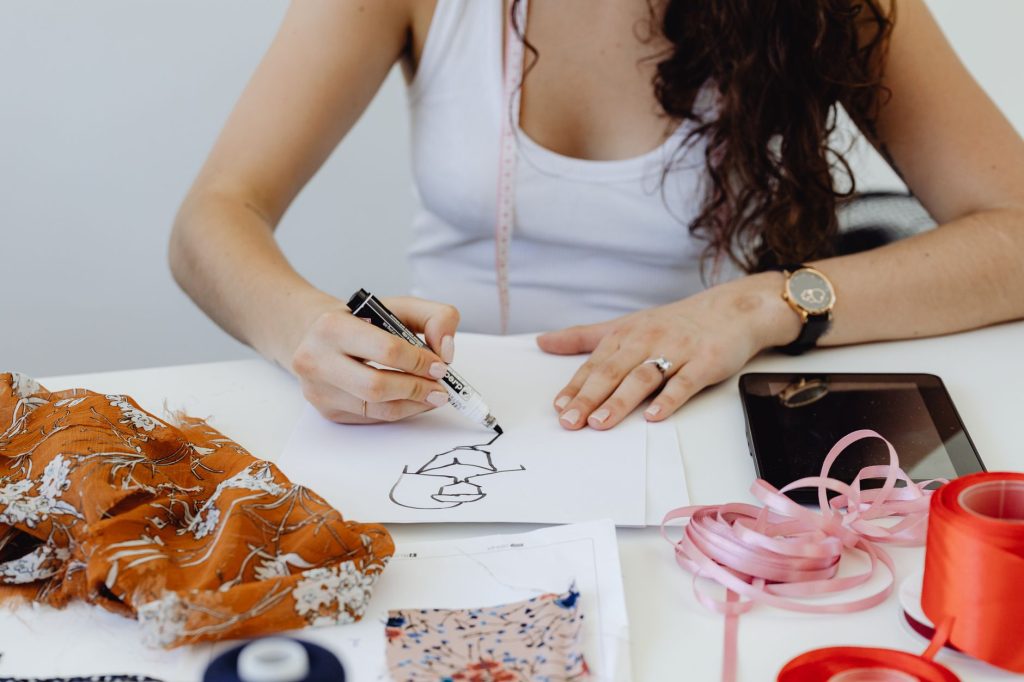
Designers translate their concepts into visual representations through sketches. This can include:
- Pencil or digital drawings
- Technical illustrations for garment construction
- Fabric swatches to showcase texture and color
These initial sketches serve as blueprints for creating prototypes and further refining ideas.
4. Fabric Selection
Fabric selection is crucial as it determines the look and feel of the garment. Designers must consider:
- Texture and weight
- Colorways and patterns
- Durability and comfort
Building relationships with fabric vendors and understanding material properties are essential skills for a designer.
5. Prototyping and Fit Sessions
After selecting fabrics, designers collaborate with pattern makers to create prototypes. This phase involves:
- Constructing initial samples of garments
- Fit sessions with models to assess comfort and appearance
- Making necessary adjustments for improved design
Iterating on prototypes ensures that the final product aligns with the designer’s vision.
6. Finalizing Designs and Production
Once prototypes are perfected, designers finalize their collections. This stage includes:
- Creating technical specifications for production
- Collaborating with manufacturers
- Overseeing the production process to ensure quality
Attention to detail during this phase is critical to delivering a well-crafted final product.
Collaboration and Teamwork
Fashion design is rarely a solo endeavor. Designers work closely with various teams, including:
1. Merchandising Teams
Merchandisers help designers align their collections with market demands, ensuring that products appeal to consumers.
2. Marketing and PR
Collaborating with marketing and public relations teams helps designers communicate their concepts to the public effectively, creating buzz around new releases.
3. Production Teams
Production teams manage the logistics of manufacturing, including sourcing materials, garment construction, and distribution.
Fashion Design Skills
A successful fashion designer possesses a range of skills that contribute to their creativity and efficiency. These skills include:
1. Creativity and Artistic Vision
The ability to envision original designs and trends is fundamental for a fashion designer. Strong artistic skills allow for effective expression of ideas.
2. Technical Knowledge
Understanding garment construction, pattern-making, and sewing techniques are essential for translating ideas into wearable pieces. This technical foundation supports the creative process.
3. Trend Awareness
Staying updated on current and emerging trends helps designers create relevant collections that resonate with their target audience.
4. Communication Skills
As collaboration is key in fashion, effective communication skills are necessary to articulate ideas, share feedback and work seamlessly with teams.
5. Business Acumen
Understanding the business side of fashion, including pricing strategies and market positioning, helps designers make informed decisions and foster their careers.
The Role of Fashion Designers in Sustainable Fashion
As the fashion industry grows increasingly aware of its environmental impact, many designers are adopting sustainable practices. These initiatives include:
1. Ethical Sourcing
Choosing sustainable materials and ethically produced fabrics demonstrates a commitment to environmental preservation.
2. Biodegradable and Recyclable Designs
Designing clothes with longevity in mind encourages consumers to invest in quality over quantity, reducing waste.
3. Working with Fair Trade Manufacturers
Partnering with manufacturers that prioritize fair labor practices ensures that workers are treated ethically while creating fashion products.
Building A Personal Style Inspired by Designers
You don’t have to be a fashion designer to appreciate the art of fashion. Here’s how you can incorporate elements of designer creativity into your wardrobe:
1. Embrace Key Trends
Monitor current fashion trends while tailoring them to fit your personal style. For example, if oversized silhouettes are trending, try a slightly loose jacket paired with fitted trousers.
2. Experiment with Layers
Fashion designers often play with layering. Try combining textures and lengths, like a fitted turtleneck under a flowing dress or an oversized shirt layered over a simple outfit for depth and interest.
3. Bold Accessories
Accessories can make or break an outfit. Opt for statement pieces—like unique earrings or bold handbags—that reflect the designer-like quality of style without overwhelming your outfit.
4. Prioritize Fits
Paying attention to fit is crucial, just as designers do. Invest in altered pieces to match your body shape perfectly, creating a polished look.
5. Mix-and-Match Techniques
Fashion designers often mix various styles. Don’t hesitate to combine vintage pieces with contemporary fashions for a fresh and individual look.
Conclusion
A fashion designer’s tasks are diverse, blending creativity with practical skills to produce wearable art. Understanding the design process, their collaboration with teams, and the skills required can empower you in your styling journey—encouraging you to experiment with your wardrobe while appreciating the artistry behind the clothes you wear.
For a deeper understanding of the fashion industry, check out our guides on how to become a fashion designer and further insights into what fashion designers do.