
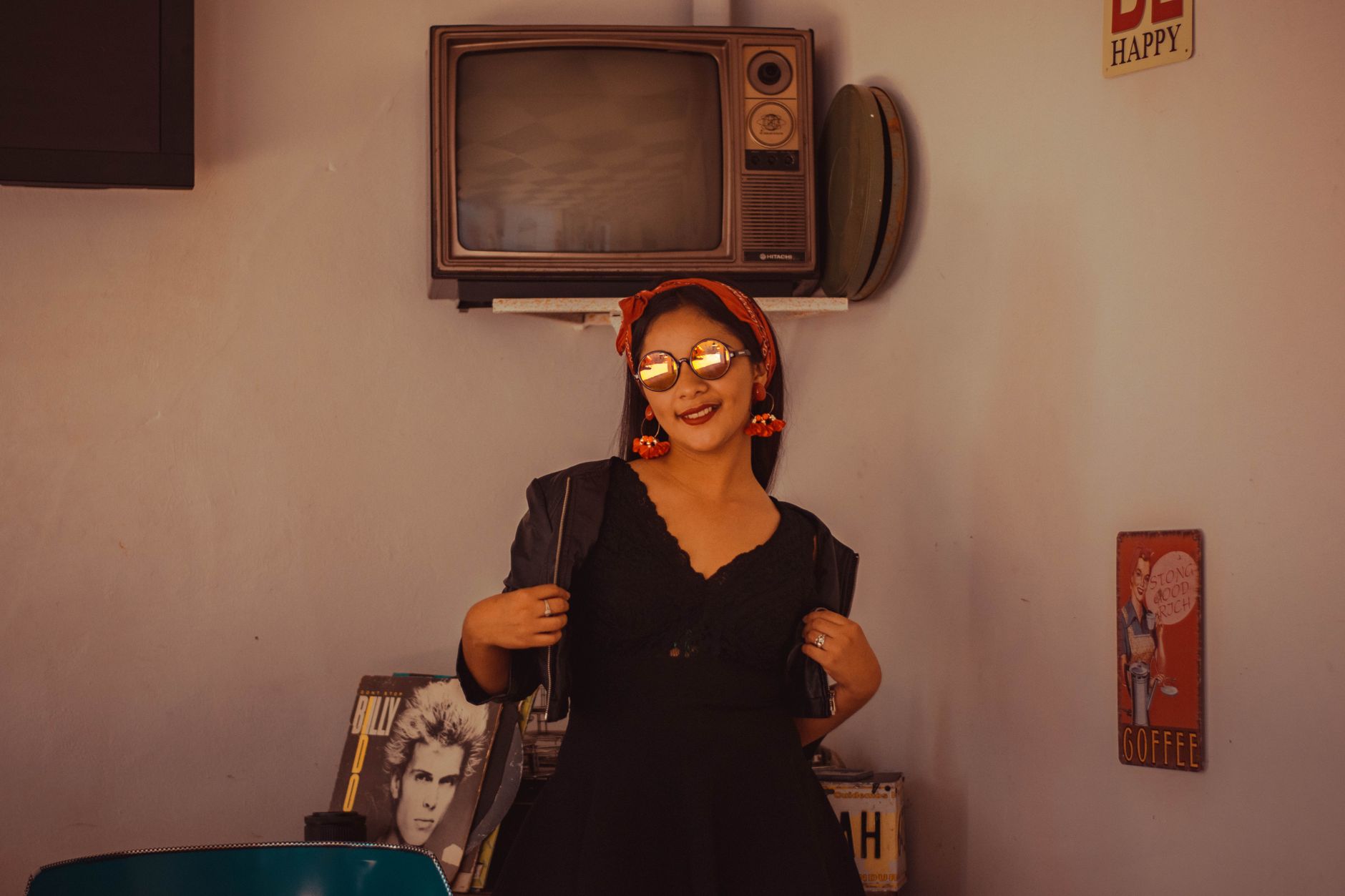
The 1970s was a time of bold fashion statements, characterized by dramatic styles, vivid colors, and innovative designs that celebrated individuality and self-expression. With influences ranging from disco vibes to bohemian chic, this vibrant decade introduced outfits that remain iconic today. Understanding what people wore in the 70s can help you embrace this unique style in your wardrobe.
This complete style guide will explore various iconic outfits, key fabrics, and essential accessories that defined fashion in the 70s. Whether you are dressing for a retro-themed event or simply want to incorporate elements of 70s style into your daily wardrobe, this guide will help you make thoughtful fashion choices.
What Did People Wear In The 70S?
People in the 70s wore a diverse array of styles, ranging from bell-bottom jeans and maxi dresses to leisure suits and platform shoes. Fashion was influenced by various subcultures, including disco, punk, and bohemian styles, allowing for a rich tapestry of clothing choices. This eclectic mix reflects the era’s spirit of freedom and individuality.
Key Elements of 70s Fashion
1. Bell-Bottoms and Flares
One of the most recognizable elements of 70s fashion is the bell-bottom or flare pant. These trousers were fitted at the waist and thighs, flaring out dramatically at the knees. They were a canvas for bold patterns, colors, and textures, making them perfect for both casual and formal wear.
- Pair them with fitted tops or cropped shirts for a balanced silhouette.
- Look for prints in paisley or floral to fully embrace the 70s vibe.
2. Maxi Dresses and Skirts
Maxi dresses and skirts were essential, offering both comfort and a touch of glamour. These floor-length garments often featured flowing fabrics and vibrant patterns, perfect for summer outings or casual events.
- Accessorize with wide-brimmed hats and chunky jewelry for a boho look.
- Layer with denim jackets for a stylish transition into cooler months.
3. Leisure Suits
The leisure suit was a popular choice for men during the 70s, combining polyester fabric with a fitted jacket and matching trousers. This style was often seen in solid colors or bold patterns, ideal for parties and nightclubs.
- For a modern twist, opt for a fitted blazer paired with chic sneakers or loafers.
- Consider pastel colors for a softer approach, reflecting the romantic trends of the time.
4. Graphic Tees and Band Shirts
Graphic tees and band shirts were staples in casual wardrobes, allowing individuals to express their musical tastes and interests. The oversized fit was typical during this decade, making them easy to pair with denim or cargo pants.
- Layer with a denim jacket or oversized cardigan for a relaxed style.
- Try knotting the shirt at the waist for a flattering silhouette.
5. Fabrics and Textures
Fabrics in the 70s varied widely, with an emphasis on unusual textures and bright patterns. Popular materials included cotton, polyester, and denim, often fashioned into unique garments that stood out.
- Choose lightweight fabrics for summer, and heavier options like corduroy or velour for cooler months.
- Explore prints like tie-dye, stripes, and abstract patterns to capture that 70s energy.
Footwear Trends of the 70s
Footwear in the 70s was just as varied as the clothing. Key styles included platform shoes, chunky sandals, and knee-high boots, all adding a distinctive vibe to outfits.
1. Platform Shoes
Platform shoes were monumental, often featuring thick soles that elevated the wearer’s height and style. They came in various forms, including sandals, boots, and pumps.
- Pair platform sandals with flared jeans or maxi dresses for easygoing elegance.
- Consider platform boots to add edge to your look, especially in colder weather.
2. Chunky Sneakers
Sporty chunky sneakers flooded the market, offering comfort with a casual aesthetic. These shoes became popular among the youth and reflected the active lifestyles of the decade.
- Wear them with relaxed jeans and graphic tees for a laid-back look.
- Choose brightly colored options to channel that playful 70s energy.
3. Knee-High and Thigh-High Boots
Knee-high and thigh-high boots added a daring touch to many outfits. Often made of leather or suede, they were perfect for pairing with mini skirts or fitted pants.
- Opt for neutral colors for versatility, or go bold with vibrant hues.
- Layer with a longer sweater or overshirt to cover the hips for balanced proportions.
Accessories to Complete the Look
Accessories played an important role in 70s fashion, enhancing outfits and showcasing personal style. From jewelry to bags, each piece contributed to the overall aesthetic.
1. Statement Jewelry
Chunky jewelry, such as large earrings, oversized rings, and bold necklaces, was prevalent. Think earthy tones combined with metals for authenticity.
- Layer necklaces of varying lengths for a trendy, bohemian look.
- Go for natural materials like wood and stones to embrace a more organic vibe.
2. Belts and Sashes
Belts played a significant role in defining silhouettes, especially around waists. Wide sashes or belts were often used to cinch dresses and long tops.
- Try colorful wide belts to accompany plain dresses or tunics.
- Experiment with patterned fabric sashes for a playful accent.
3. Bags and Purses
Handbags were often oversized or structured to hold must-have items while still looking chic. Classic styles included boho fringe bags and structured totes.
- Select a bag with unusual textures, such as crochet or suede, to capture that 70s energy.
- Fringe bags can add movement and personality to any outfit.
Color and Pattern Trends of the 70s
The 70s was a kaleidoscope of colors and patterns, often reflecting the freedom and vibrancy of the era. Understanding how to incorporate these elements into your outfits can elevate your look.
1. Earth Tones and Vibrant Hues
Earthy colors like browns, oranges, yellows, and greens were commonly seen, symbolizing a return to nature. However, vibrant colors like hot pink, teal, and royal blue also became popular as disco gained traction.
- Mix earthy and bright colors for a balanced palette that reflects your personality.
- Opt for mustard or avocado for retro-inspired outfits that feel modern.
2. Iconic Patterns
Patterns were diverse, and it wasn’t unusual to see geometric shapes, polka dots, and floral motifs. Tie-dye and psychedelic prints were particularly favored among youth and counter-culture movements.
- Incorporate pairs of patterned pieces with solid colors to create visual balance.
- Layer patterns cautiously, focusing on one dominant pattern in your outfit.
Tips for Modernizing 70s Fashion
While the fashion of the 70s can feel heavy in retro aesthetics, there are plenty of ways to modernize your outfits while honoring the decade.
1. Mix Vintage with Modern Pieces
Combine 70s-inspired clothing with contemporary items for a fresh take on the look. For example, pair a vintage maxi dress with a modern denim jacket.
2. Focus on Fit
Ensure that your 70s-inspired clothing fits well and suits your body type. An oversized piece can overwhelm an outfit if not balanced correctly. Tailoring can transform an otherwise unflattering item into a perfect fit.
3. Keep Accessories Minimal
Avoid overloading on accessories by selecting a few impactful pieces. For example, pair a statement necklace with simple outfits to keep the focus on one element rather than cluttering your look.
4. Embrace Fabric Innovations
Incorporate modern fabrics that provide comfort and durability. Choose stretch denim or breathable cotton blends that reference 70s styles without sacrificing modern comfort.
Seasonal Dressing in 70s Style
Adapting 70s style to seasonal wardrobes can be straightforward. Here are suggestions for dressing throughout the year while honoring the fashion of the decade.
Spring
- Incorporate light maxi dresses paired with denim jackets for cooler spring evenings.
- Leverage floral patterns and soft colors to reflect the blooming season.
Summer
- Opt for breezy tank tops with high-waisted shorts or wide-leg linen pants.
- Accessorize with sun hats and strappy sandals for a casual day out.
Fall
- Use layering techniques with cotton turtlenecks and long skirts, finishing with a leather jacket.
- Incorporate autumn colors such as burnt orange and deep burgundy into your palette.
Winter
- Layer fitted turtlenecks under oversized sweaters or add warmth with a long coat.
- Utilize knee-high boots and chunky scarves as stylish winter essentials.
A Guide to Caring for 70s Style Fabrics
Proper garment care maintains the integrity of your 70s-inspired wardrobe. Different fabrics require various approaches.
1. Basic Care Guidelines
- Always check the care label on garments before washing.
- Hand wash delicate items to avoid damage and preserve the shape.
2. Fabric-Specific Advice
Here are tips catered to specific 70s fabric choices that you might encounter:
- Cotton: Machine-wash in cold water and tumble dry on low.
- Polyester: Wash with like colors, and avoid excessive heat to prevent melting.
- Leather: Wipe with a damp cloth and consider professional cleaning.
Shopping for 70s-Inspired Pieces
When seeking to add 70s style to your wardrobe, consider vintage shops, thrift stores, and online marketplaces for authentic finds. Keep these tips in mind:
- Look for quality fabrics that have held up over time; polyester is typically durable.
- Try on pieces to see how they fit, as sizing varies greatly with vintage clothing.
- Don’t be afraid to modify items—alterations can create a personalized touch.
Embracing the styles of the 70s can be fun, creative, and an expression of your individuality. Use this guide for inspiration to incorporate retro elements into your wardrobe confidently, whether it’s for everyday wear or a special occasion.
Explore related outfit ideas, such as styling options with normal clothes for the 70s or dressing appropriately for a 70s disco party by checking out these useful guides: How to Dress 70s With Normal Clothes and What to Wear to a 70s Disco Party.