
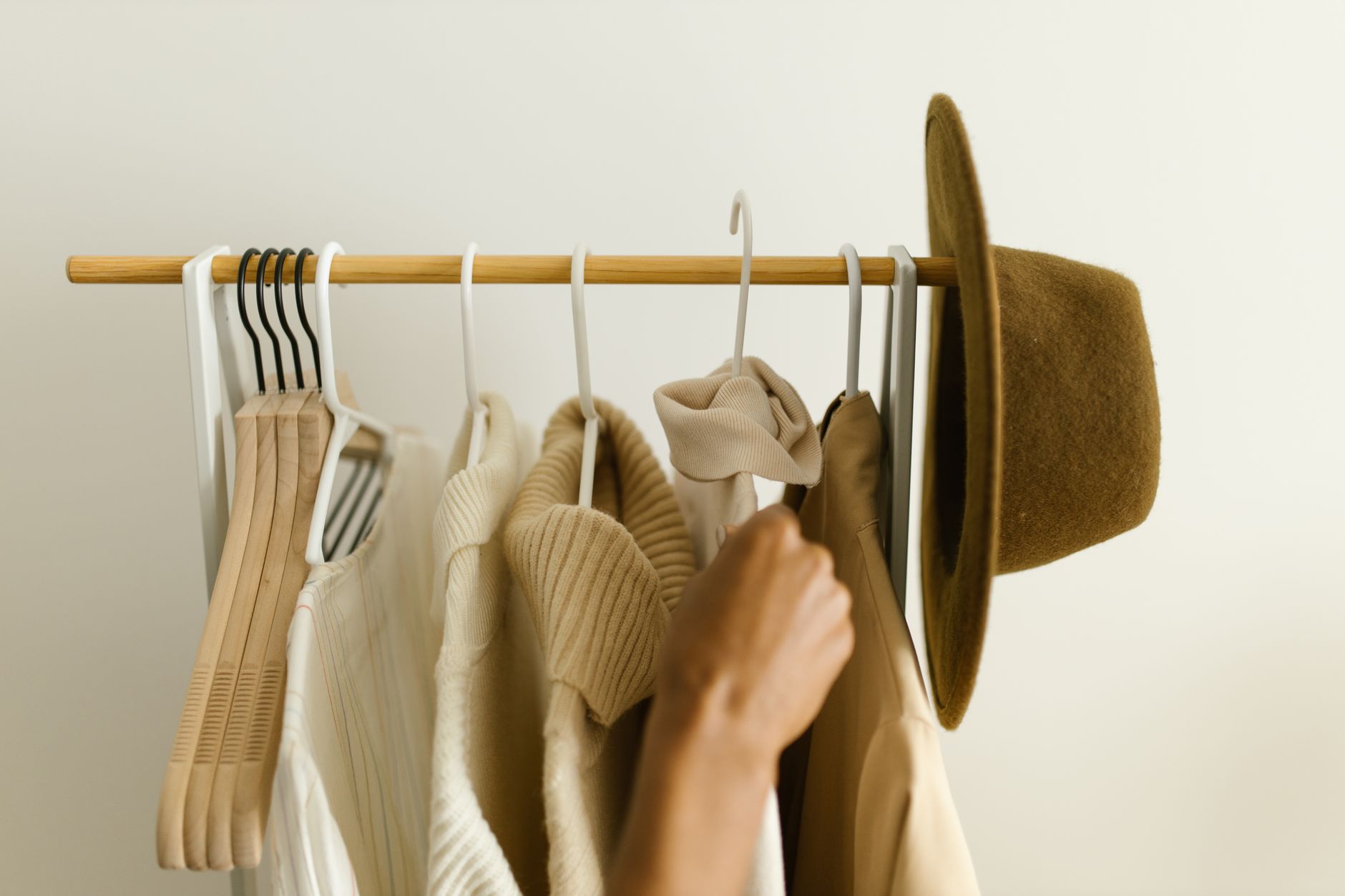
In fashion, the term “essentials” refers to the foundational pieces in your wardrobe that can be mixed and matched to create a variety of outfits. These staples not only serve as the backbone of personal style but also help simplify getting dressed, especially during busy mornings or when trying to make a statement with minimal effort.
This article delves into what essentials are, their history, the different types, and how to effectively incorporate them into your wardrobe to enhance your style. Whether you’re new to fashion or seeking to refine your existing wardrobe, understanding essentials is key to effective dressing.
What Are Essentials?
Essentials are versatile clothing items that typically offer simplicity and functionality while being easy to wear. They can be combined in numerous ways and are often neutral or classic in style. Essentials include key wardrobe staples like a white t-shirt, dark jeans, and a tailored blazer.
The primary goal of wardrobe essentials is to create a cohesive capsule wardrobe that allows for easy outfit creation without sacrificing personal flair. These pieces tend to be timeless rather than trend-driven, making them a wise investment for any fashion enthusiast.
The History of Wardrobe Essentials
Wardrobe essentials have evolved alongside fashion trends over the decades. Historically, the idea of staples began to take shape during the early 20th century when industrialization allowed for mass production of clothing, leading to more accessible and affordable fashion.
In the mid-20th century, designers like Coco Chanel popularized simple and practical styles, introducing the concept of a “little black dress” and comfortable yet chic separates that could be used in various contexts. The minimalist movement of the late 20th century further emphasized the importance of essentials, encouraging fewer, high-quality pieces over a large quantity of clothes. This sentiment resonates today as many seek to build more intentional wardrobes.
Types of Wardrobe Essentials
The essentials in your wardrobe can be categorized broadly into several types. Below are key types of wardrobe essentials to consider including in your personal collection:
- Tops – Basic t-shirts, button-downs, and sweaters that can be dressed up or down.
- Bottoms – Versatile jeans, tailored trousers, and skirts that align with your body type and style.
- Outerwear – Timeless jackets like denim or leather jackets, blazers, and trenches that complete your outfits.
- Footwear – Classic shoes such as loafers, ankle boots, and versatile sneakers that can be worn across various occasions.
- Accessories – Minimalist yet effective accessories like scarves, watches, and simple earrings to elevate your look.
Tops as Wardrobe Essentials
When selecting tops, essential styles should focus on fit and versatility. Key items include:
- White T-Shirt – A well-fitted white t-shirt pairs well with almost everything and can be layered under blazers or paired with skirts.
- Button-Down Shirt – A classic button-down is great for professional settings or casual outings; opt for fabrics like cotton for breathability.
- Lightweight Sweater – Perfect for layering, a lightweight sweater can easily transition from season to season.
Bottoms as Wardrobe Essentials
Bottoms are crucial for creating balanced outfits. Choose styles that flatter your figure and can be versatile:
- Dark Jeans – A pair of well-fitting, dark-wash jeans can work for casual and semi-formal settings.
- Tailored Trousers – These provide a polished look for the office or business meetings while remaining comfortable.
- Versatile Skirt – A midi skirt in a neutral tone can be easily dressed up with heels or dressed down with flats.
Outerwear as Wardrobe Essentials
Outerwear completes your look while providing functionality. Essential styles include:
- Classic Blazer – A well-tailored blazer can elevate any outfit, transitioning from day to night with ease.
- Denim Jacket – Perfect for spring or lightweight outerwear in summer evenings, a denim jacket is both casual and chic.
- Trench Coat – Ideal for rainy days or creating an effortlessly chic vibe, a trench coat is a timeless classic.
Footwear as Wardrobe Essentials
Footwear impacts both style and comfort, making it essential to choose wisely. Consider the following:
- Classic Loafers – Comfortable and sophisticated, loafers can transition from office wear to casual outings effortlessly.
- Ankle Boots – These can add edge to any outfit and are suitable for both casual and slightly dressy occasions.
- Versatile Sneakers – Elegant enough to pair with jeans while comfortable for long walks, sneakers have become a must-have.
Accessories as Wardrobe Essentials
Accessories can define your personal style and elevate any outfit. Recommended essentials include:
- Simplistic Scarf – A neutral scarf can add a pop of color and warmth during colder months.
- Watch – A classic wristwatch can be both functional and a fashion statement.
- Simple Earrings – Studs or small hoops can work with any outfit without overpowering.
Building a Capsule Wardrobe with Essentials
Creating a capsule wardrobe composed of essentials simplifies dressing while ensuring you have suitable options for various occasions. A well-curated capsule wardrobe should consist of about 30 to 40 key items that work well together.
Focus on creating a cohesive color palette, which helps ensure pieces can be easily mixed and matched. Neutral tones (like black, white, beige, and navy) can serve as the foundation, with a few accent colors that reflect your personal style.
Styling Tips for Essentials
Once you’ve selected your essentials, consider these tips for maximizing their potential:
- Layering – Experiment with layering different tops, such as wearing a fitted turtleneck under a sweater for texture and warmth.
- Color Coordination – Use a color wheel or online tools to create complementary outfits using your essentials.
- Occasion Dressing – Adapt essentials based on the dress code. Pair tailored trousers with a button-down and heels for meetings, or switch to smart sneakers and a casual top for lunch with friends.
Outfit Inspiration Using Essentials
Here are concrete outfit ideas using wardrobe essentials:
- Casual Day Out: Pair a white t-shirt with dark jeans and ankle boots, topped with a denim jacket. Add simple hoop earrings for a chic touch.
- Work Meeting: A tailored blazer over a button-down shirt with tailored trousers and classic loafers will leave a strong impression.
- Evening Out: Wear a black midi skirt with a lightweight sweater and ankle boots, adding statement earrings for flair.
Seasonal Dressing with Essentials
Building a seasonal wardrobe allows you to enjoy your essentials year-round:
- Spring: Opt for long-sleeve button-downs paired with light trousers or skirts, layering with a trench coat.
- Summer: Choose breathable fabrics like cotton or linen; consider tailored shorts paired with a simple t-shirt.
- Autumn: Incorporate cozy knitwear and layer with blazers or scarves, switching to ankle boots for a polished look.
- Winter: Utilize your outerwear; combine sweaters with tailored trousers or jeans, and always keep your feet warm with boots.
Garment Care for Essentials
Taking care of your essentials ensures they last, which makes them even more valuable over time. Here are fundamental garment care tips:
- Read Care Labels: Always start here before deciding how to clean your garments, as different fabrics require different care approaches.
- Washing: Opt for cold washes to prevent shrinking and fading. Use mild detergents suitable for your fabrics.
- Storage: Hang blazers and dresses to maintain shape. Fold sweaters to avoid stretching while on shelves.
Shopping for Essentials
When shopping for wardrobe essentials, consider the following criteria:
- Quality Over Quantity: Invest in fewer, superior pieces. They will last longer and maintain their appearance.
- Fit: Ensure that each item fits well or consider tailoring for that perfect silhouette. Each piece should enhance your shape rather than mask it.
- Versatility: Select pieces that can be styled in multiple ways, allowing for varied looks without overcrowding your wardrobe.
Gender-Inclusive Style with Essentials
Essentials are not confined to one gender or body type; they can be adjusted to fit anyone’s style. Opt for tailored pieces that suit your shape regardless of societal norms. Unisex fashion is on the rise, promoting inclusivity and allowing freedom of expression through everyday essentials.
Conclusion
Understanding what essentials are and how they function within your wardrobe can significantly elevate your style while simplifying the dressing process. Focus on building a collection of versatile pieces that work for various occasions, seasons, and personal styles. Take a moment to assess your current wardrobe and identify gaps in your essentials.
For further inspiration, check out our articles on capsule wardrobes and styling linen pants that can help refine your wardrobe essentials concept.