
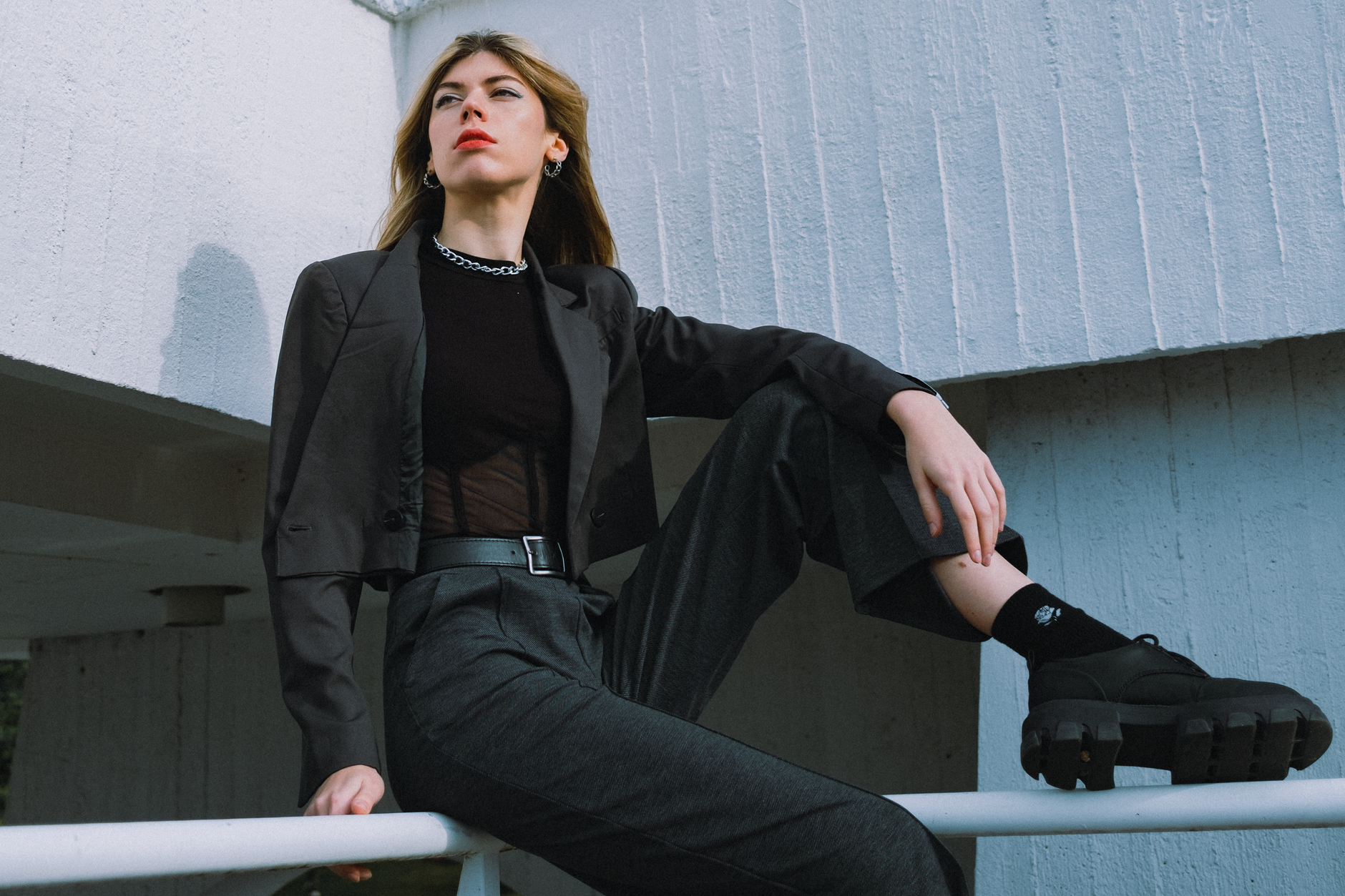
Understanding the concept of “models” in the fashion world can be multifaceted: it spans a range from runway and editorial fashion to historical influences and modern applications. This article delves into what models are, their role in the fashion industry, how they impact style, and guidance on using the principles behind modeling to enhance personal fashion choices.
We will explore the meaning of models in fashion, trace their history, discuss their uses, and provide a complete style guide, making it easier than ever to adopt the essence of modeling in your wardrobe and personal style.
What Are Models in Fashion?
In fashion, “models” refer to individuals—professionals or otherwise—who display clothing and accessories for various purposes, including advertising, runway shows, and photoshoots. They serve as visual representations of fashion brands and trends, influencing consumer choices and shaping industry standards. Models can vary widely in terms of body type, gender identity, and style, allowing for a broader representation of beauty and fashion aesthetics.
History of Models in Fashion
The concept of modeling has evolved significantly over the decades. Here are key points in its history:
- Early Years: Modeling can be traced back to ancient times when artists would use live figures to study anatomy and drapery. However, the formalization of modeling as a profession began in the late 19th century.
- The Rise of Fashion Photography: In the 20th century, particularly during the 1920s and 1930s, the advent of photography transformed fashion advertising, with models playing a crucial role on the covers of magazines like Vogue and Harper’s Bazaar.
- Runway Revolution: The mid-20th century saw the emergence of runway shows, with models strutting in high-end fashion shows, showcasing designers’ collections and setting trends.
- Diversity and Inclusivity: In recent years, the industry has made strides toward inclusivity, representing a wider variety of body types, ethnicities, and gender identities, thus reflecting diverse consumer bases.
Uses of Models in Fashion
Models serve various purposes in the fashion industry beyond just showcasing the clothes. Here are some key uses:
- Marketing and Advertising: Models are essential for advertising campaigns, helping convey the essence of a brand through visuals.
- Inspiration: They set trends and showcase how different pieces can be styled, providing inspiration for consumers looking to enhance their wardrobes.
- Product Representation: In ecommerce, models help customers visualize clothing and accessories, aiding in purchasing decisions.
- Artistic Expression: Modeling is also a form of art, where the model collaborates with photographers and designers to create compelling visual narratives.
Building Your Style with Model Principles
To harness the influence of models in your own fashion sense, consider these principles:
1. Understand Fit and Proportion
The foundation of any stylish outfit is understanding fit. Clothing should enhance your natural silhouette without being too tight or loose. Use the following guidelines:
- Identify your body shape and choose styles that flatter your proportions.
- Pay attention to how clothing fits your shoulders, waist, and bust.
- Tailoring can enhance fit dramatically; consider seeking a professional for alterations.
2. Play with Layers
Layering is key to creating visually interesting outfits and can help transition between seasons:
- Start with a base layer, such as a fitted top or bodysuit.
- Add a mid-layer, like a cardigan or blazer, to introduce structure.
- Finish with an outer layer, such as a coat or a scarf, to add warmth and texture.
- Experiment with different lengths and fabric weights to create depth.
3. Focus on Color Coordination
Matching colors effectively can elevate an outfit:
- Consult a color wheel to understand complementary colors and how to combine them.
- Neutral colors are versatile and can be paired with bolder hues for contrast.
- Consider seasonal palettes, selecting colors that reflect the season’s mood.
4. Curate a Capsule Wardrobe
A capsule wardrobe allows for versatility and simplifies choices:
- Select key pieces in a cohesive color palette—think classic styles like a tailored blazer, white shirt, well-fitted jeans, and versatile dresses.
- Include items that can be mixed and matched effortlessly for various occasions.
- Adapt your capsule wardrobe seasonally, swapping out heavier fabrics for lighter ones in spring and summer, and vice versa.
5. Invest in Wardrobe Essentials
Every wardrobe should contain some essential pieces that never go out of style:
- Classic White Shirt: Versatile for both work and casual settings.
- Tailored Blazer: Perfect for workwear or dressing up jeans.
- Well-Fitting Jeans: Choose a cut that flatters your body type.
- Little Black Dress: A staple for formal occasions or nights out.
- Good Quality Footwear: Invest in classic styles that offer comfort and style.
- Timeless Accessories: A statement necklace or a classic watch can elevate any outfit.
Examples of Stylish Outfit Combinations
Here are a few stylish outfit combinations that channel the model aesthetic:
Casual Outfit
For a laid-back yet chic look, consider:
- High-waisted dark wash jeans
- White fitted t-shirt
- Oversized denim jacket
- White sneakers
- Leather crossbody bag
This outfit is perfect for casual outings, providing comfort and style, and can easily transition from day to night with a swap to ankle boots.
Workwear Outfit
For a polished office look, try:
- Tailored black trousers
- Pale blue silk blouse
- Black blazer
- Pump heels
- Structured tote bag
This ensemble is professional yet fashionable, suitable for meetings or client presentations while ensuring you feel confident and comfortable.
Formal Outfit
For a formal occasion, assemble the following:
- Floor-length gown in a solid color
- Stunning statement earrings
- Elegant clutch
- Strappy heels
This outfit embodies elegance, making it ideal for weddings or gala events. Select fabrics like silk or chiffon for a luxurious feel.
Layered Outfit for Cooler Weather
For colder days while remaining stylish, consider:
- Skinny jeans
- Long-sleeve turtleneck
- Chunky knit cardigan
- Layered trench coat
- Faux fur scarf
- Ankle boots
This ensemble combines warmth and style, showcasing how layering can enhance an outfit while maintaining comfort.
Seasonal Dressing Tips
Dressing appropriately for the season is essential. Here are some tips for seasonal styling:
Spring/Summer
- Opt for breathable fabrics like cotton and linen to stay cool.
- Choose brighter colors and playful prints to embrace the joyful nature of the season.
- Incorporate lightweight scarves or hats for sun protection while adding flair.
Fall/Winter
- Layering is key; use tights or thermal undergarments under dresses and skirts.
- Incorporate cozy fabrics like wool and cashmere for warmth.
- Utilize rich, warm colors like burgundy, forest green, and mustard for a seasonal vibe.
Understanding Fabric Types
Choosing the right fabric is crucial for comfort and style:
- Cotton: Breathable and versatile; perfect for everyday wear.
- Silk: Luxurious and elegant, often used for formal clothing.
- Wool: Warm and insulating, great for colder weather.
- Linen: Lightweight and breathable, ideal for hot weather but prone to wrinkling.
- Denim: Durable and stylish; choose variations like stretch or classic for different looks.
Footwear Choices
Your choice of footwear can significantly impact an outfit. Consider these types:
- Sneakers: Comfortable and versatile; pair with casual outfits.
- Boots: Choose ankle or knee-high options for both style and protection during colder months.
- Heels: Elevate formal and workwear looks with pumps or strappy sandals.
- Flats: An excellent alternative for comfort without sacrificing style, suitable for work or casual outfits.
Accessorizing Like a Model
Accessories can enhance any outfit and show individuality:
- Belts: Use to cinch waistlines on loose dresses or oversized tops, adding shape.
- Jewelry: Choose statement pieces to elevate a simple outfit; layer delicate necklaces or stack bracelets.
- Scarves: Add texture and color; can be styled in various ways, from neck wraps to hair accessories.
- Hats: Great for sunny days and can finish off an outfit.
Garment Care for Longevity
Taking care of your clothes ensures they last and remain stylish:
- Always check care labels for washing and drying instructions.
- Store garments appropriately; hang dresses and blazers and fold heavier knits.
- Consider dry cleaning for delicate fabrics like silk and wool.
- Patching or mending small damages can extend the life of your favorite pieces.
Learning from models’ influence in fashion is about more than just wearing their clothing; it’s about embodying their style principles. By understanding fit, layering, color coordination, and how to create successful outfits, you can enhance your wardrobe and feel confident in your personal style.
Next time you think about what to wear, remember that modeling principles can guide you to curate outfits that speak to your identity and elevate everyday style. To explore more, check out how to get into modeling or learn how to become a successful model.