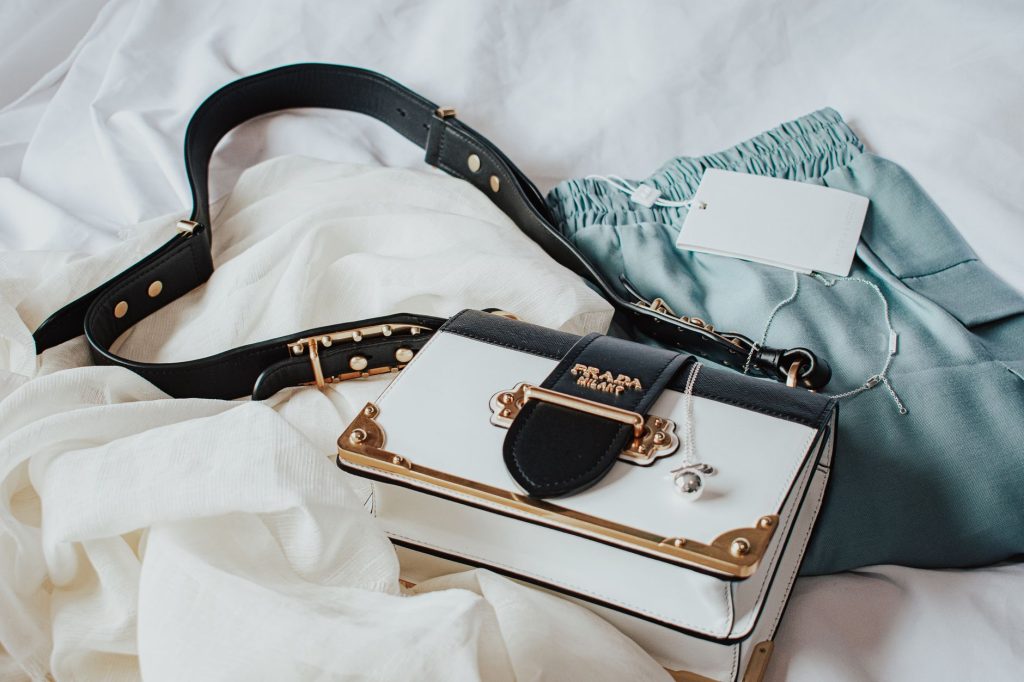
When investing in luxury fashion, it’s essential to ensure the authenticity of your purchases, especially with renowned brands like Louis Vuitton. The allure of Louis Vuitton’s distinctive style can lead to a thriving counterfeit market, making it crucial for consumers to recognize the signs of a genuine item. In this guide, we’ll explore the key indicators that can help you determine if your Louis Vuitton piece is real.
From examining the logo to understanding the craftsmanship, we will cover each detail that authenticates these iconic pieces. Whether you’re looking to verify a handbag, wallet, or accessory, being informed will enhance your confidence in your luxury fashion investments.
How To Tell If Louis Vuitton Is Real?
To effectively identify a real Louis Vuitton item, pay attention to several critical factors including material quality, stitching, logos, serial numbers, and packaging. Genuine Louis Vuitton products are crafted with precision and attention to detail, setting them apart from counterfeit items.
Material and Craftsmanship
One of the first aspects to consider is the material and craftsmanship used in Louis Vuitton products. Authentic pieces are made from high-quality materials that exhibit exquisite craftsmanship.
- Canvas Quality: Genuine Louis Vuitton bags are made from high-quality canvas that has a slightly textured feel. Counterfeit items often use low-quality fabrics that feel flimsy or plasticky.
- Leather: Real Louis Vuitton leather, particularly the natural cowhide, ages beautifully and develops a rich patina over time. If the leather appears overly shiny or cheap, it’s likely not genuine.
- Stitching: Precision in sewing is crucial. Authentic Louis Vuitton products feature uniform, well-spaced stitches, typically in a golden color. Counterfeit items may have uneven stitching or loose threads.
Logos and Branding
Logos and branding details are essential indicators of authenticity. It’s important to examine the logo closely to catch any discrepancies.
- Monogram Patterns: Louis Vuitton’s monogram features a consistent pattern. Ensure that the logos are symmetrical and properly aligned. Counterfeit pieces sometimes have misaligned logos or incorrect patterns.
- Font Style: Pay attention to the font used in the logo. The letters “L” and “V” should be clear, with a distinctive serif typeface, not blurry or poorly defined.
- Spelling: Always check for spelling errors. Counterfeit items often fail this basic test with misspelled words.
Serial Numbers and Date Codes
Most Louis Vuitton items come with a date code, which helps determine authenticity. Understanding how to read these codes can protect you from purchasing fakes.
- Date Code Format: Louis Vuitton date codes consist of two letters followed by four numbers. The letters indicate the country of manufacture, while the numbers represent the week and year of production.
- Location of Date Codes: Check the inside lining of the bag or wallet. Authentic items will have hidden date codes stitched into the lining, while counterfeit versions might place them in awkward locations.
- Verify the Code: Research to connect the date code with the correct country of origin for that specific item. Authentic Louis Vuitton items produced in specific countries will adhere to expected date code patterns.
Hardware and Accessories
The hardware on Louis Vuitton items offers clues to authenticity. Examine the zippers, clasps, and other metal details closely.
- Quality of Hardware: Genuine Louis Vuitton uses high-quality metals, often brass or gold-toned finishes, which should feel sturdy and substantial. Counterfeits frequently have cheap or lightweight materials.
- Engravings: Check for engravings on zippers or clasps. The engravings should be crisp and clear, reflecting the Louis Vuitton name. Blurry or poorly stamped engravings are a red flag.
- Functional Zippers: The zippers on authentic items operate smoothly. Jammed or awkwardly functioning zippers often indicate counterfeit origins.
Packaging and Documentation
The packaging that comes with Louis Vuitton products also plays a role in verifying authenticity. Pay attention to the details.
- Shopping Bags and Boxes: Authentic Louis Vuitton items come in high-quality boxes and shopping bags, often adorned with the brand’s iconic monogram. Counterfeit packaging may feel flimsy or lack the brand’s signature vibrancy.
- Dust Bags: Real Louis Vuitton dust bags are made of soft cotton and have a drawstring closure. Counterfeit dust bags often use inferior material or skip this detail altogether.
- Care Cards: Check for care cards that include product information. Authentic items typically provide care instructions on high-quality cards.
Compare Prices
While it’s tempting to snag a deal, be cautious of prices that seem too good to be true. Understanding market prices can help you identify authentic Louis Vuitton items.
- Research Standard Pricing: Familiarize yourself with the retail prices of Louis Vuitton products. Prices for authentic items seldom fall below a certain threshold.
- Evaluate Online Listings: For items sold online, cross-check the seller’s reputation, return policy, and customer reviews to ensure legitimacy.
- Beware of Clearance Sales: Extreme discounts or clearance sales on luxury items often signal counterfeit products.
Seller Reputation
When purchasing Louis Vuitton items, especially second-hand, consider the reputation of the seller. A trustworthy seller can provide peace of mind.
- Authorized Retailers: Purchase from authorized Louis Vuitton retailers or the brand’s official website to be sure of authenticity.
- Second-hand Marketplaces: If you are shopping on second-hand platforms, check seller ratings and customer feedback thoroughly.
- Rely on Recommendations: Ask friends or family for recommendations or consult fashion communities to identify reputable sellers.
Recognizing Counterfeit Signs
Be aware of common counterfeit indicators that can signal a fake Louis Vuitton item.
- Poor Stitching: Counterfeit bags often have visible threads, uneven stitching, or loose ends.
- Inconsistent Branding: Look for discrepancies in the brand’s logo, including incorrect colors or forms.
- Odd Smells: If an item has a strong, unpleasant chemical smell, it is likely made from low-quality materials.
Insights from Experts
While this guide covers various aspects to identify real Louis Vuitton items, consulting with authenticity experts can provide additional assurance.
- Authentication Services: Some services specialize in authenticating luxury items. Use them for a second opinion on high-value purchases.
- Luxury Authentication Apps: Consider using technology-driven solutions that help analyze photos of your item and provide a quick authenticity check.
- Community Forums: Engaging with fashion communities can provide insights and tips from seasoned enthusiasts and collectors.
Understanding Louis Vuitton’s Heritage and Craftsmanship
A deeper appreciation for Louis Vuitton comes from understanding its heritage. This luxury brand has become synonymous with quality and exclusivity.
- History: Founded in 1854, Louis Vuitton began as a trunk maker. Its commitment to quality has been a hallmark of the brand ever since.
- Artisan Work: The production of Louis Vuitton items involves skilled artisans, often requiring extensive training and experience.
- Investment in Quality: The use of high-quality materials, intricate designs, and artistic flair places Louis Vuitton in a league of its own in the luxury marketplace.
Conclusion
Recognizing a real Louis Vuitton item requires careful attention to detail, an understanding of materials, and awareness of branding nuances. By following the guidelines outlined in this article, you can confidently navigate the world of luxury fashion. When in doubt, always seek expert advice or consult reliable resources.
For more insights on luxury brands, check out our guide on how to tell if Louis Vuitton is real and discover where Louis Vuitton items are made by visiting this resource.