
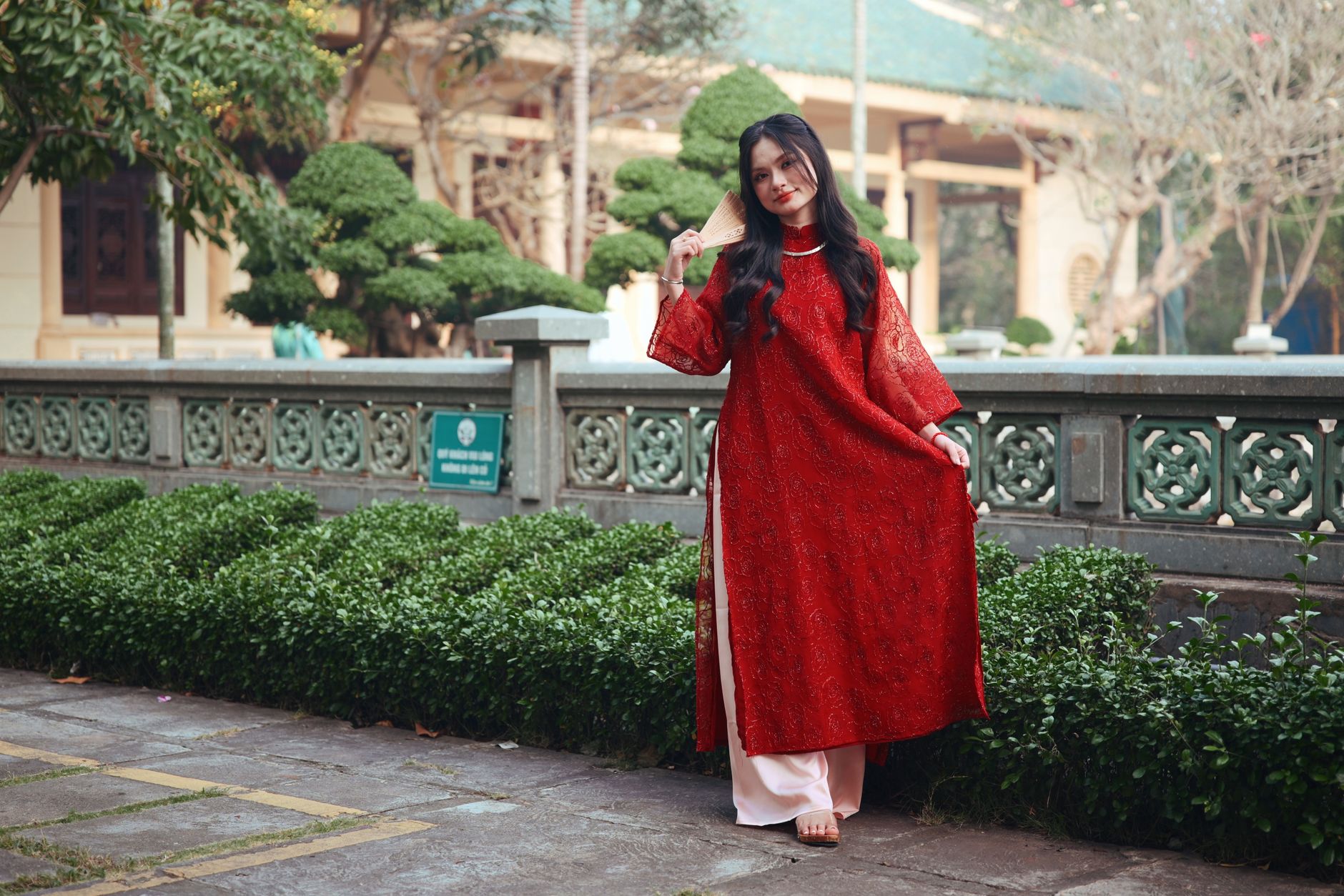
Styling traditional outfits can be a rewarding yet challenging experience, enabling individuals to express their culture, heritage, and personal style. Whether you are dressing for a formal event, a casual gathering, or simply embracing your roots, the right styling techniques can elevate these outfits from conventional to chic.
This guide will cover practical tips on how to style traditional outfits, including outfit combinations, accessory choices, and essential styling considerations for various occasions. Let’s dive into the colorful world of traditional wear!
How To Style Traditional Outfits?
Styling traditional outfits involves selecting the right pieces, coordinating colors, and accessorizing thoughtfully. Personal comfort, occasion appropriateness, and cultural respect play significant roles in creating an appealing and authentic look.
Understanding Traditional Outfits
Every culture has its distinct traditional attire, often woven with history and significance. Traditional outfits vary widely, from the vibrant saris of India to the elegant kimono of Japan or the flowing kaftans of North Africa. Understanding the fabric, cut, significance, and appropriate occasions for each outfit is crucial.
Fabrics and their Characteristics
- Silk: Luxurious and smooth, perfect for formal occasions. Requires careful handling.
- Cotton: Breathable and comfortable, great for casual wear and warm climates.
- Linen: Lightweight with a relaxed vibe; ideal for summer events.
- Wool: Warm and structured, suitable for colder climates and formal settings.
- Jute: Eco-friendly and rustic, often used in a variety of traditional attire.
When selecting traditional outfits, pay attention to fabric texture, drape, and breathability to ensure comfort. Also, know that some materials may require special care, especially silks and wools.
Key Elements of Styling Traditional Outfits
Creating a well-styled traditional outfit involves several elements, including silhouette, layering, color coordination, and accessorizing. Follow these structured tips to enhance your ensemble.
1. Choosing the Right Silhouette
The silhouette of a traditional outfit dramatically impacts its overall look. Here are some popular options:
- A-Line: Flattering for most body types, this cut drapes away from the waist, creating a balanced look.
- Fitted: Tailored pieces can offer a polished appearance suitable for formal occasions.
- Free-flowing: Perfect for casual settings, garments like kaftans or maxi dresses provide comfort and ease.
Balance your silhouette with your body shape. If you are curvier, avoid overly structured pieces that could restrict movement. Alternatively, fitted outfits can enhance a tall, slender frame.
2. Layering Techniques
Layering adds dimension and versatility to your outfit. Consider these layering methods:
- Long Cardi or Shrug: An open layer over a fitted traditional dress can create visual interest.
- Dupattas or Scarves: Use a colorful dupatta to tie the outfit together or add a contrasting color.
- Overcoats: For a modern twist, style a traditional outfit with a tailored coat in winter.
When layering, ensure that the pieces complement each other in terms of color, fabric, and style. Avoid overwhelming the look with excessive layers.
3. Color Coordination
Color plays a vital role in traditional outfits. Here are tips for effective color coordination:
- Monochrome: Choose a single color in varying shades for a sleek appearance.
- Print Mixing: Mix patterns, such as florals with stripes, but maintain a common color theme.
- Complementary Colors: Use opposite colors on the color wheel for a bold statement.
When in doubt, neutral bases with colorful accessories can also create a chic balance.
4. Accessorizing Thoughtfully
Accessories will complete your traditional look. Consider the following:
- Jewelry: Opt for statement pieces or cultural jewelry that aligns with your outfit. Avoid overcrowding; usually, one or two statement pieces suffices.
- Bags: Choose a clutch or a traditional potli bag that complements the outfit’s color and motif.
- Footwear: Traditional juttis for Indian outfits, elegant sandals for Middle Eastern attire, or classic block heels for formal outfits are perfect choices.
Mix traditional accessories with modern pieces for an updated style, but ensure the overall aesthetic remains cohesive.
5. Seasonal Considerations
Adapting your traditional outfits to the weather is essential. Here are key ideas:
- Summer: Lightweight cotton sarees, lehengas, or kurtas with breathable fabrics. Pair with sandals.
- Winter: Layer heavier fabrics like silk or wool, complemented with shawls and boots.
- Monsoon: Choose quick-drying fabrics like georgette or polyester and avoid heavy embellishments.
Additionally, remember to adjust your accessories according to the season. Opt for lightweight pieces in summer and more substantial or embellished options in winter.
Occasion Dressing with Traditional Outfits
Each traditional outfit has a place in various occasions. Understanding how to dress appropriately can impact your presentation significantly.
Formal Occasions
Events like weddings, formal parties, or ceremonies call for elegant traditional outfits. Here’s how to style:
- For Women: A richly embellished lehenga with a silk blouse, paired with an intricately designed dupatta can look stunning. Complete with statement jewelry and formal heels.
- For Men: A tailored sherwani with churidar, adorned with subtle embroidery or embellishment. Pair with traditional mojaris and a contrasting dupatta.
Casual Gatherings
For informal events or family functions, opt for relaxed traditional attire:
- For Women: A comfortable cotton kurta with palazzo pants or a simple maxi dress with ethnic prints.
- For Men: A basic kurta with jeans or casual trousers styled with flip-flops or loafers.
Festivals and Cultural Events
Festivals often invite vibrant and lively attire. Consider bright colors and bold patterns:
- For Women: A colorful lehenga choli or an embellished saree, adorned with traditional jewelry and your hair styled traditionally.
- For Men: A brightly colored kurta with a turban option, layered with a shawl for added flair.
Tips for Maintaining and Caring for Traditional Outfits
Proper care ensures your outfits remain pristine and last longer. Here are essential garment care tips:
Fabric-Specific Care
- Silks: Dry clean or hand wash in cold water. Avoid direct sunlight when drying to prevent fading.
- Cottons: Machine wash with similar colors. Iron on medium heat for smoothness.
- Linen: Hand wash or gentle cycle. Use a steam iron for wrinkles.
General Care Tips
- Store traditional outfits in a cool, dry place, wrapped in muslin or cotton bags to avoid dust accumulation.
- Avoid hanging heavy garments for long periods; instead, fold them gently.
- Always check care labels for specific instructions before cleaning.
Personal Style Considerations
Emphasizing personal style is vital in dressing. Use traditional outfits to express who you are while respecting traditional norms. Here are some pointers:
- Mix and Match: Combine traditional pieces with contemporary items for a hybrid look.
- Stay True to Your Aesthetic: Choose silhouettes, colors, and embellishments that resonate with your personal style.
- Innovate with Accessories: Experiment with modern accessories that can lift any traditional outfit.
Shopping for Traditional Outfits
Investing in traditional attire involves thoughtful purchasing. Here are aspects to consider while shopping:
- Quality vs. Quantity: Opt for quality pieces that will last. It’s better to have fewer, well-made garments than a closet full of lesser-quality clothing.
- Fit Matters: Ensure your outfit fits well. Tailoring can make a massive difference in how an outfit drapes on your body.
- Sourcing Ethically: Support artisans and brands that respect craft and culture. Understand the craftsmanship involved in traditional pieces.
Conclusion
Styling traditional outfits is all about balancing cultural heritage with personal expression. With thoughtful consideration of fabric, silhouette, and occasion, anyone can create a stunning traditional ensemble that resonates personally and culturally. To get started, try an outfit combination that incorporates layering and bold accessories for your next occasion.
Explore more about how to style a sari or delve into styling traditional Indian outfits for additional outfit ideas and techniques.