
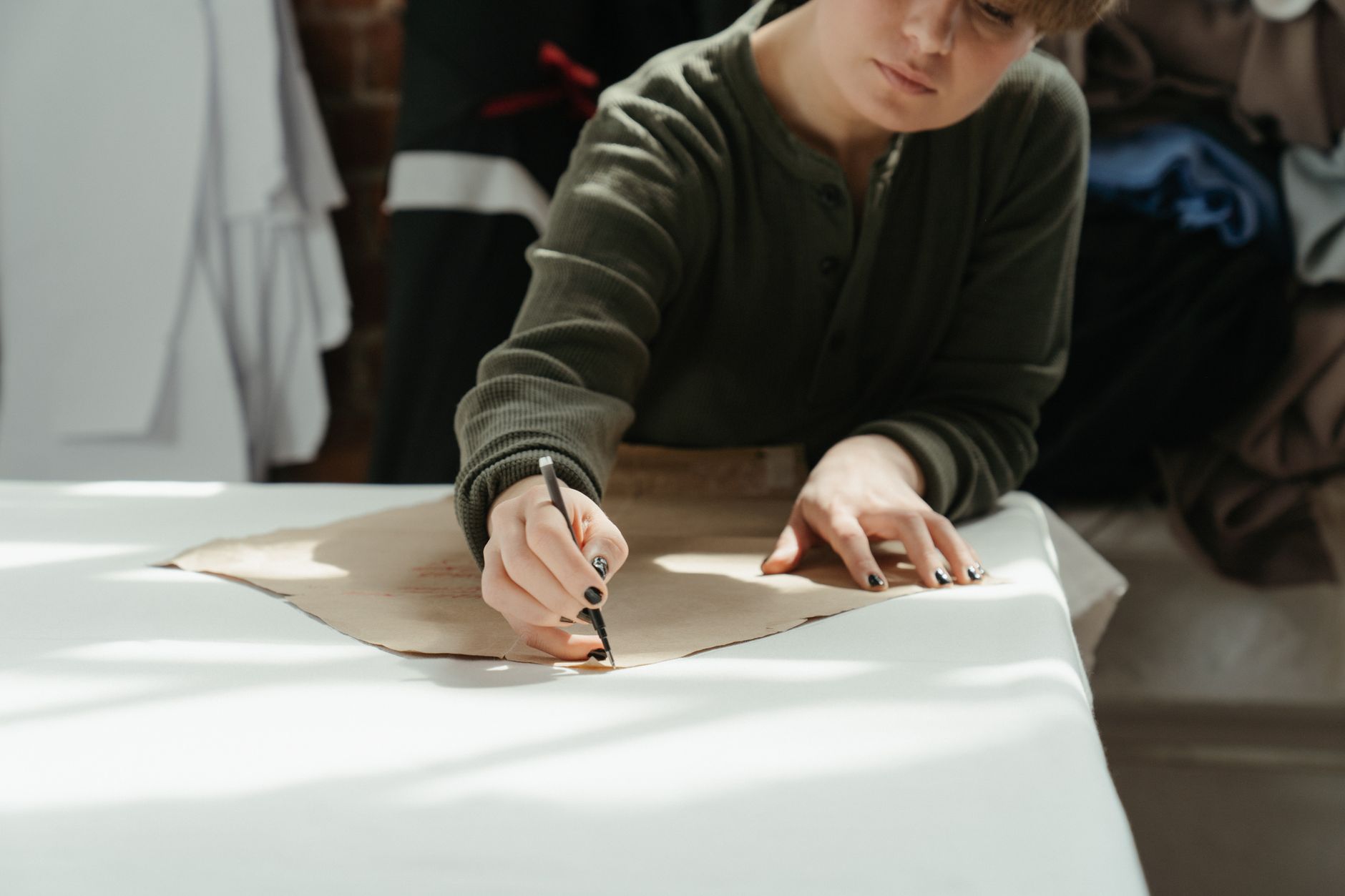
Creating your own clothing brand can be an exciting and fulfilling venture. Whether you’re passionate about fashion or looking to fill a gap in the market, starting a clothing line requires thoughtful planning and creativity. This guide is designed to outline the essential steps to help you navigate the process of establishing your own clothing brand efficiently.
From developing a unique concept to selecting the right fabrics and creating a solid marketing plan, we’ll cover everything you need to know to kickstart your fashion journey.
How To Make Your Own Clothing Brand?
To create your own clothing brand, begin by defining your niche and target audience, then create a business plan, design your collection, source materials, manufacture your products, and finally launch and market your brand to reach your customers.
1. Define Your Brand Concept
The first step in creating your clothing brand is defining your concept. Ask yourself questions to identify what you want your brand to represent. Think about:
- What makes your brand unique?
- What type of clothing will you offer? (e.g., casualwear, formalwear, activewear)
- Who is your target audience?
- What are your brand values (sustainability, inclusivity, price point)?
Your answers will shape your brand’s identity and influence all subsequent decisions.
2. Research Your Market
Understanding the market you plan to enter is crucial. Research your competitors and analyze successful clothing brands. Consider these aspects:
- Identify trends in your chosen niche.
- Assess your competitors’ strengths and weaknesses.
- Determine the price range of similar products.
This research will help you identify market gaps and opportunities your brand can fill.
3. Create a Business Plan
A business plan is essential for outlining your goals and strategies. It should include:
- Your brand’s mission and vision statements.
- A detailed description of your products.
- A marketing strategy, including online and offline tactics.
- Sales forecasts and financial projections.
- Operational plans, including production and distribution.
Having a well-structured business plan can guide you through the initial phases and help secure funding if needed.
4. Design Your Clothing Line
Now it’s time to bring your ideas to life. Start sketching your designs or using design software. Consider the following when designing your clothing line:
- Focus on cohesion: Ensure all pieces in your collection work together and share a common theme.
- Prioritize fit and comfort: Understand sizing and select styles that flatter various body types.
- Choose your fabrics wisely: Different fabrics have unique characteristics (drape, texture, breathability) that affect the garment’s overall appeal.
Creating mood boards and fabric swatches can help visualize your collection’s aesthetic and ensure a cohesive look.
4.1 Technical Design and Prototyping
Once your sketches are complete, create technical designs which include specifications like measurements, materials, and construction details. Collaborating with a technical designer can help you refine your designs for manufacturing. Next, develop prototypes of your garments. This step allows you to test fit, make alterations, and ensure quality before mass production.
5. Source Materials and Manufacturers
Sourcing high-quality materials is key to the success of your clothing line. Consider these tips for finding the right fabrics and manufacturers:
- Build relationships with fabric suppliers to access various textures and colors.
- Research garment manufacturers that align with your values (sustainability, ethical labor practices).
- Request samples to assess fabric quality and manufacturer capabilities before committing.
Negotiating costs is important; ensure your production fits within your budget while maintaining quality.
6. Establish Your Brand Identity
Brand identity encompasses your logo, packaging, and overall visual aesthetic. Create a memorable logo that reflects your brand values. When designing your packaging:
- Think about sustainability and strive for eco-friendly options.
- Ensure your branding is consistent across all materials.
Your brand identity will significantly influence customer perception and loyalty.
7. Set Up Your Online Presence
In today’s digital world, having a strong online presence is crucial for attracting customers. Steps to establish your presence include:
- Creating a professional website that showcases your collection and allows for online purchases.
- Engaging on social media platforms where your target audience is active (Instagram, Pinterest).
- Developing an email marketing strategy to keep potential customers updated.
Your online presence will not only serve as a retail platform but also a marketing channel.
8. Launch and Market Your Brand
When ready to launch, consider the following marketing strategies to generate buzz:
- Utilize social media marketing to share behind-the-scenes content and tease product releases.
- Engage with influencers who embody your brand’s values for product collaborations.
- Host a launch event, whether virtual or in-person, to introduce your brand to potential customers.
Building excitement around your launch will help to establish a customer base right from the start.
9. Monitor and Adapt
Once your clothing brand is launched, continuously monitor performance metrics to understand your sales and marketing effectiveness. Key performance indicators (KPIs) to track include:
- Sales data to identify best-selling products.
- Customer feedback to understand satisfaction and areas for improvement.
- Website analytics to track shopping behavior on your site.
Be ready to adapt your strategies based on feedback and market shifts, ensuring your brand remains relevant and competitive.
10. Consider Sustainable Practices
As eco-consciousness grows, integrating sustainable practices can set your brand apart. Consider:
- Using organic or recycled fabrics.
- Implementing transparent manufacturing processes.
- Creating a take-back program for customers to return used items.
These practices can resonate with your audience and enhance your brand reputation.
11. Engage with Your Community
Building a loyal customer base goes beyond selling products. Engage with your community through:
- Hosting pop-up shops to connect with customers in-person.
- Encouraging user-generated content by prompting customers to share photos in your clothing.
- Collaborating with other local businesses or artists for mutual promotion.
Connection with your audience fosters loyalty and advocates for your brand.
12. Stay Informed About Fashion Trends
The fashion landscape is ever-evolving. Stay updated on industry trends and consumer preferences through:
- Reading fashion publications and blogs.
- Attending fashion trade shows and exhibitions.
- Participating in webinars or networking events with other designers.
Being informed will help you to anticipate changes and innovate your collection accordingly.
Final Thoughts
Starting your own clothing brand involves various steps from conceptualization to marketing. By defining a clear vision, conducting thorough research, and ensuring quality in production, you can carve out a niche for yourself in the competitive fashion industry. Don’t forget to continuously adapt and engage with your community to thrive long-term.
As you embark on this exciting journey, begin by identifying your brand concept, because your unique vision is where it all starts. Remember, building a clothing brand is not just about selling clothes; it’s about creating a lifestyle and community.
Explore related outfit ideas and tips for your emerging clothing brand or check out our guides on how to design clothes and advice on becoming a fashion designer.