
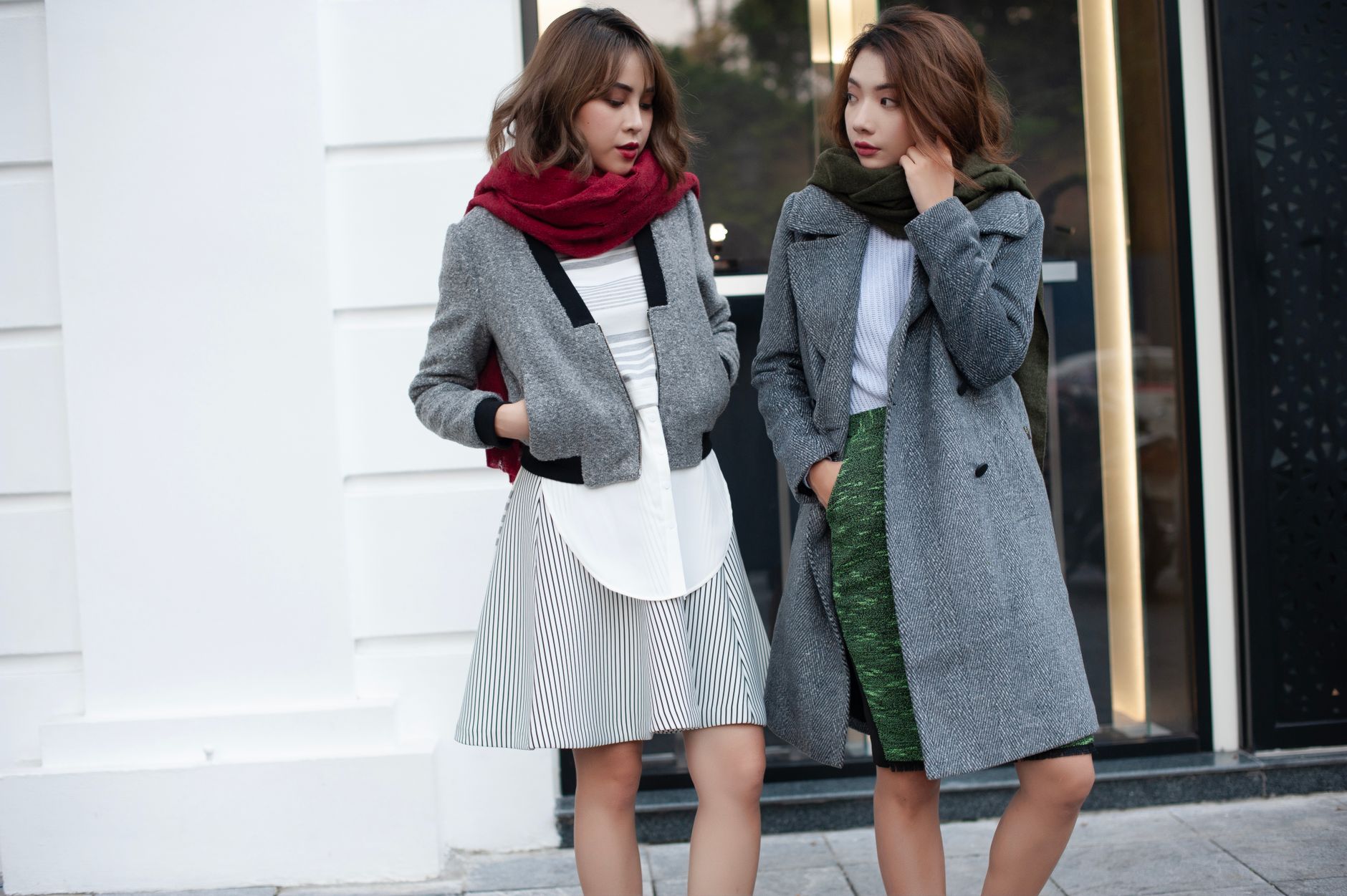
Looking good can often feel like a daunting task, but it doesn’t have to be. With the right techniques and a little creativity, anyone can develop a style that feels authentic and confident. This article will provide detailed guidance on how to look your best, covering everything from outfit combinations to wardrobe essentials.
Whether you’re dressing for a casual day out, a formal event, or just want to elevate your everyday attire, these styling tips and outfit ideas will help you make informed choices. Let’s explore how to look in a way that highlights your personal style while fitting various occasions.
How To Look: A Step-by-Step Guide
To look your best, you need to consider a few fundamental components: fit, color coordination, textures, and the overall style profile that resonates with you. Here, we will break down practical steps to help you cultivate your unique fashion sense while ensuring practical elements are accounted for.
1. Understand Your Body Type
Understanding your body type is essential in selecting clothing that accentuates your best features. Body shapes typically fall under the following categories: hourglass, pear, apple, rectangle, and inverted triangle. Each shape has clothing styles that can enhance your natural form. Here are some essential considerations:
- Hourglass: Emphasize your waist with fitted tops and A-line skirts.
- Pear: A-line silhouettes and layered tops can help balance your proportions.
- Apple: Look for empire waistlines and structured jackets to define your shape.
- Rectangle: Create curves with peplum styles and belted silhouettes.
- Inverted Triangle: Go for wider bottoms to balance broader shoulders.
2. Identify Your Personal Style
Your personal style reflects your individuality. To identify your style, think about your lifestyle needs, the message you want to convey, and what makes you feel comfortable and confident. Consider these style categories:
- Casual: Think relaxed but polished, like fitted jeans paired with T-shirts and sneakers.
- Chic: Incorporate tailored pieces, layering, and a mix of textures.
- Bohemian: Embrace flowy silhouettes, earthy tones, and natural fabrics.
- Classic: Opt for timeless pieces like blazers, trench coats, and tailored trousers.
3. Wardrobe Essentials
The foundation of any great wardrobe is versatile essentials. These are items that can be mixed and matched across various looks. Consider these key components:
- Basic Tops: T-shirts, blouses, and tank tops in neutral colors serve as excellent layering pieces.
- Pants: Invest in a pair of well-fitting jeans, tailored trousers, and utility pants for different occasions.
- Dresses: A classic little black dress and a casual day dress can suit multiple settings.
- Outerwear: A structured blazer, denim jacket, and a tailored coat complete most outfits.
- Footwear: Have a mix of comfortable flats, casual sneakers, and a pair of classic heels.
4. Color Coordination
Color plays a significant role in how you look. Understanding which colors complement your skin tone will enhance your appearance. Here’s a simple guide to color palettes:
- Warm Tones: Earthy colors like oranges, yellows, and warm reds work well on warm skin tones.
- Cool Tones: Jewel tones such as blues, emeralds, and cool reds suit cool skin tones.
- Neutrals: Black, white, gray, and beige can be paired with almost any color for balance.
5. Outfits for Different Occasions
Dressing appropriately for various occasions is essential for looking polished. Here are some outfit ideas for different settings:
Casual Outfits
For a relaxed outing or errand running, consider the following combinations:
- Look 1: A white crew-neck T-shirt, ripped blue jeans, and white sneakers.
- Look 2: A flowy maxi dress paired with flat sandals and a denim jacket.
- Look 3: Chino shorts, a striped tank top, and slip-on espadrilles.
Workwear Attire
Choosing outfits for the workplace often requires a balance between professionalism and style. Consider these options:
- Look 1: A tailored blazer over a silk blouse, paired with black trousers and pumps.
- Look 2: A knee-length sheath dress with a cardigan and low-heeled shoes.
- Look 3: A crisp button-down shirt tucked into high-waisted trousers with loafers.
Formal Events
Attending a formal event? Here are some outfit inspirations:
- Look 1: An elegant floor-length gown paired with statement earrings and clutch.
- Look 2: A tailored three-piece suit with a vest and polished dress shoes.
- Look 3: A cocktail dress with strappy heels and a clutch bag.
6. Layering Techniques
Mastering the art of layering is key to achieving depth in your style. This technique is useful for various climates and enhances outfit versatility. Here’s how to layer:
- Start with a Base Layer: Choose a fitted top or tank as your foundation.
- Add a Middle Layer: Incorporate a sweater, cardigan, or button-up for warmth and texture.
- Finish with an Outer Layer: Use a coat, blazer, or denim jacket to complete the look.
7. Accessorizing Wisely
Accessories are an excellent way to elevate your look and express your personality. Here’s how to choose and style accessories:
- Jewelry: Delicate necklaces, statement earrings, or classic watches can enhance your outfit.
- Scarves: A lightweight scarf can be a stylish addition, providing warmth and flair.
- Bags: Choose structured bags for formal occasions and slouchy totes for casual outings.
8. Fabric and Texture Awareness
The fabric and texture of your clothing can significantly influence your overall look. Here are common fabrics and their properties:
| Fabric | Properties |
|---|---|
| Cotton | Breathable, soft, and easy to maintain; perfect for everyday wear. |
| Silk | Luxurious and smooth; ideal for formal occasions but requires careful maintenance. |
| Wool | Warm and durable; excellent for colder climates but needs proper cleaning. |
| Denim | Versatile and sturdy; suitable for both casual and smart-casual occasions. |
9. Understanding Fit
Fit is arguably the most critical aspect of looking good. A well-fitted garment can enhance your overall appearance. Here’s how to ensure fit:
- Shoulders: The seams should align with the edge of your shoulders.
- Waist: Look for garments that nip in at the waist for added shape.
- Length: Consider proportion; pants should reach the top of your shoes, while sleeves should hit your wrist.
10. Seasonal Dressing
Adapting your wardrobe to different seasons ensures comfort while maintaining style. Here’s how:
Summer
- Opt for lightweight fabrics like cotton and linen.
- Choose breathable colors and patterns.
- Incorporate sandals and sun hats.
Fall
- Layer with cardigans and light jackets.
- Incorporate earthy tones like orange, burgundy, and olive.
- Transition to heavier footwear like ankle boots.
Winter
- Invest in warmer materials such as wool and cashmere.
- Layer strategically; pair thermals under your outfits.
- Accessorize with scarves, gloves, and warm coats.
Spring
- Opt for lighter textures and pastel colors.
- Layer with light jackets and cardigans for varying temperatures.
- Utilize ankle boots or loafers to transition from winter.
11. Garment Care
Maintaining the quality of your clothing ensures that you look good wear after wear. Here are some care tips:
- Read Care Labels: Always follow the manufacturer’s care instructions for washing and drying.
- Proper Storage: Store clothes in a cool, dry place, and use padded hangers for delicate items.
- Frequent Cleaning: Rotate your wardrobe and clean garments to maintain their shape.
12. Sustainable Practices in Fashion
Being mindful of sustainability when dressing is crucial. Here are ways to engage in more eco-friendly fashion:
- Quality over Quantity: Invest in well-made pieces that will last.
- Second-Hand Shopping: Explore thrift shops and vintage stores to find unique items.
- Capsule Wardrobes: Create a capsule wardrobe with interchangeable items to reduce consumption.
Conclusion
Using these detailed styling tips and outfit ideas, you can effortlessly enhance your personal style. Take the time to experiment with various fits, colors, and accessories to discover what works best for you. The key is to feel confident and comfortable in your choices.
Start by assessing your wardrobe, trying out new combinations, or planning for the upcoming season with a fresh outfit. With a few thoughtful choices, you’ll be ready to look your best for any occasion. Explore related outfit ideas, styling tips, or fashion guides to further refine your personal style. Check out how to style linen pants or learn how to style black jeans for more inspiration!