
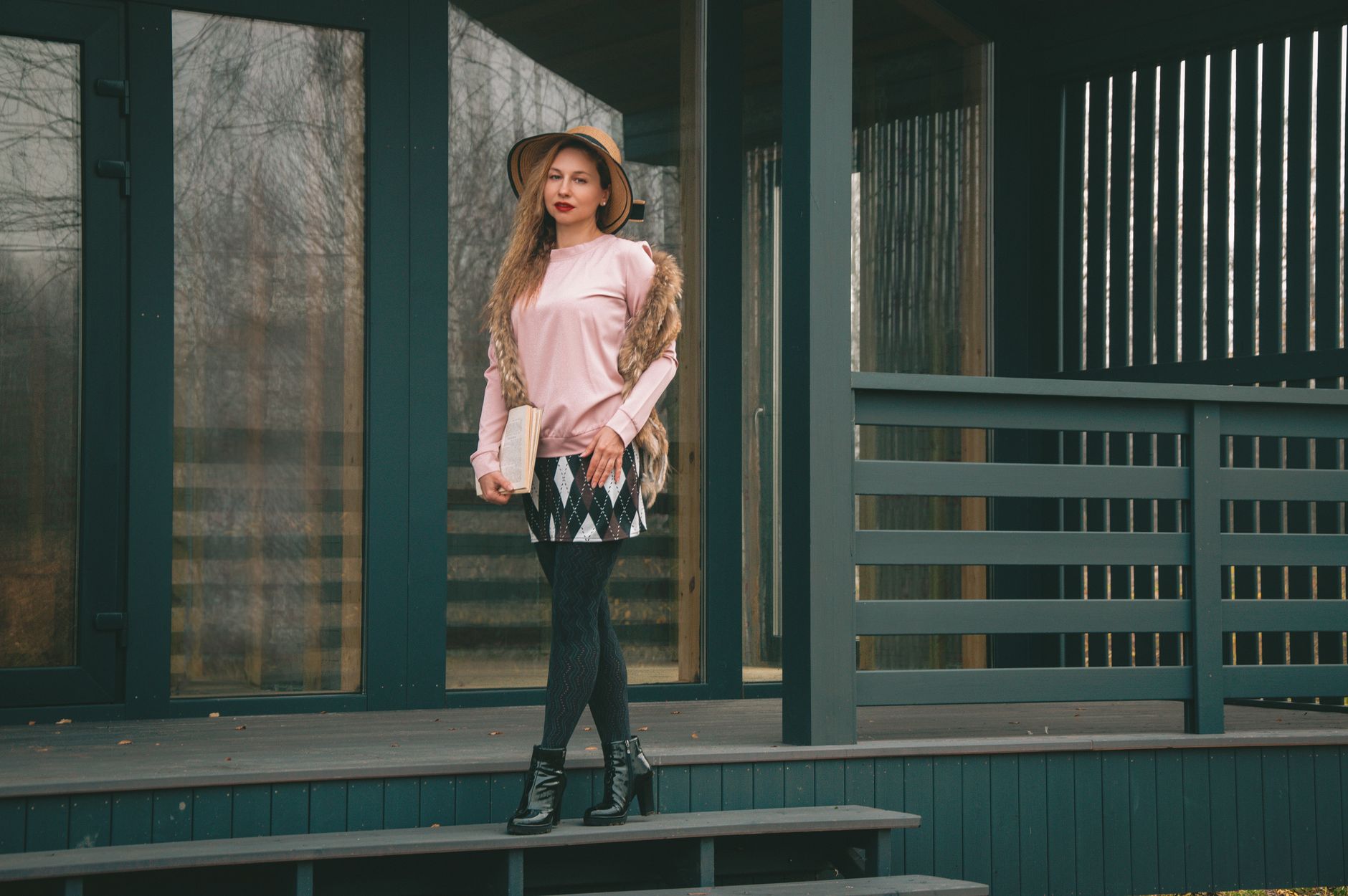
Finding your personal style is an exciting journey that allows you to express your individuality and enhance your confidence through fashion. This step-by-step guide is designed to help you discover and curate a wardrobe that reflects who you are while being practical and comfortable.
From identifying your wardrobe essentials to experimenting with stylistic choices, this guide will equip you with the tools you need to express your unique flair. Let’s dive into the process of finding your personal style and transforming your wardrobe.
How To Find Your Personal Style?
To find your personal style, start by gathering inspiration from various sources, such as social media, magazines, and street fashion. Analyze what resonates with you and reflect on your lifestyle needs. Next, declutter your wardrobe, define your style preferences, and invest in key pieces that represent your aesthetic. It’s essential to experiment and adjust along the way to cultivate your unique style.
Step 1: Gather Inspiration
The first step in discovering your personal style is to collect inspiration. This can come from various sources like fashion magazines, Instagram, Pinterest, and lookbooks. Observe what you’re drawn to, and take note of specific elements that appeal to you, be it colors, silhouettes, or particular aesthetics.
- **Create a Mood Board:** Collect images that inspire you and create a mood board, either physically or digitally. This visual representation will help you see common themes in your preferences.
- **Follow Influencers:** Identify fashion influencers who share a similar aesthetic to what you like. Take cues from their outfit combinations and adapt them to your style.
- **Explore Diverse Styles:** Don’t limit yourself to just one style. Explore various fashion genres like bohemian, classic, modern minimalist, or streetwear to find what resonates with you.
Step 2: Reflect on Your Lifestyle
Your personal style should align with your lifestyle and daily activities. Consider the following aspects:
- **Daily Routine:** Do you have a desk job, or are you often on the go? Your wardrobe needs to reflect practicality.
- **Climate and Season:** Your personal style will also be influenced by the weather. Clothes that are comfortable in summer might not work for winter.
- **Dress Code Requirements:** Consider the dress codes you may encounter at work or events when selecting styles to incorporate into your wardrobe.
Step 3: Declutter Your Wardrobe
Before building a personal style, it’s important to assess your wardrobe. A decluttered wardrobe not only makes getting dressed easier but also allows you to visualize which items reflect your evolving style.
- **Remove Unworn Items:** Start by removing items you haven’t worn in the past year. If they don’t serve a purpose, it’s time to let them go.
- **Evaluate Pieces:** Look at each piece’s fit, condition, and style. If something doesn’t fit well or you no longer love it, consider donating or selling it.
- **Organize by Category:** Organize what’s left by category, such as tops, bottoms, dresses, and outerwear. This will give you a clearer picture of your existing wardrobe.
Step 4: Define Your Style Preferences
Once you have decluttered your wardrobe, it’s time to define what you want your style to be. Here are some tips on how to do this:
- **Identify Key Elements:** Note colors, shapes, fabrics, and patterns that stand out to you. Do you favor neutrals over bold colors? Structured pieces over relaxed silhouettes?
- **Create a Style Statement:** Formulate a brief statement that encompasses your style goals. For instance, “I want a wardrobe that is chic, comfortable, and suitable for both work and casual outings.”
- **Explore Different Trends:** Don’t shy away from trying new trends. Some trends may resonate with your style more than others, enhancing your overall wardrobe.
Step 5: Invest in Wardrobe Essentials
Having a collection of wardrobe essentials makes it easier to create outfits that reflect your style. Wardrobe staples offer versatility and can serve as building blocks for various looks. Here are some essential items to consider:
- **Classic White Shirt:** A timeless piece that can be dressed up or down.
- **Tailored Blazer:** Instantly elevates any outfit; perfect for work or casual wear.
- **Well-Fitting Jeans:** A versatile piece that can be paired with numerous tops.
- **Little Black Dress:** Ideal for formal occasions or can be dressed down with casual accessories.
- **A Comfortable Pair of Sneakers:** Well-suited for casual outings and provides comfort.
- **Quality Outerwear:** A stylish coat or jacket for cooler conditions.
Step 6: Experiment with Outfits
Once you have your essentials, it’s time to have some fun by experimenting with various outfit combinations. Layering pieces or mixing textures can allow you to play with new looks:
- **Mix and Match:** Combine different pieces from your wardrobe to create fresh outfits. Don’t hesitate to try unexpected pairings.
- **Layer with Purpose:** Consider how layering can add dimension to your outfits, making them more interesting.
- **Play with Accessories:** Accessories like scarves, hats, and statement jewelry can transform a basic outfit into something special.
Outfit Ideas for Different Occasions
Understanding how to dress for various occasions is vital to developing your personal style. Here are some outfit ideas:
- **Workwear:** Pair tailored trousers with a crisp white shirt and a fitted blazer. Finish with loafers or ankle boots.
- **Casual Outing:** A relaxed tee combined with high-waisted jeans and a denim jacket, accessorized with trendy sneakers.
- **Formal Event:** A midi wrap dress or a tailored suit depending on your personal style. Add elegant heels and minimal jewelry.
- **Weekend Brunch:** A flowy maxi skirt with a fitted tank top and a lightweight cardigan makes for a relaxed yet put-together look.
Step 7: Consider Fit, Proportion, and Silhouette
The right fit is essential for dressing well. Focus on how clothing fits your body to enhance your personal style:
- **Know Your Measurements:** Take accurate measurements to understand your body shape. This will help you select clothing that fits well.
- **Focus on Tailoring:** When possible, opt for tailored pieces. Good tailoring can elevate even the simplest outfits.
- **Create Balance:** Mix structured pieces with relaxed items to create visual interest—a tailored blazer paired with relaxed trousers can be particularly effective.
Step 8: Explore Color Coordination
Colors play a significant role in defining your personal style. Choosing a cohesive color palette allows for easy combinations:
- **Find Your Palette:** Choose colors that complement your skin tone. This will make it easier to create a versatile wardrobe.
- **Create Outfits from Your Palette:** Use three to five core colors and stick to these when shopping for new items. This simplifies coordination.
- **Incorporate Patterns:** Don’t hesitate to mix patterns, but follow the rule of pairing one patterned item with solid colors.
Step 9: Layering Techniques
Layering is key to creating depth in your outfits, especially as seasons change. Here are some tips on how to layer effectively:
- **Start with a Base Layer:** Opt for lightweight tops that fit closely to your body.
- **Add a Middle Layer:** A cardigan, sweater, or blazer can provide warmth and texture.
- **Top with Outerwear:** Finish with a stylish coat or jacket that ties your whole look together.
Step 10: Care for Your Garments
Taking care of your clothing extends the life of each piece and helps maintain your wardrobe’s integrity. Follow these care practices:
- **Read Care Labels:** Always check labels for specific washing and drying instructions.
- **Store Properly:** Hang garments when necessary and fold those that could stretch out of shape.
- **Regular Maintenance:** Remove spots immediately and have items professionally cleaned when needed. Consider tailoring as well for adjustments.
Step 11: Reflect and Revise Regularly
Your personal style will evolve over time, so it’s essential to periodically reassess your wardrobe:
- **Review Your Essentials:** Every season, take stock of what you wear frequently and what may need to be replaced or updated.
- **Stay Open to Change:** Do not be afraid to pivot or try new things as your lifestyle, preferences, or personal situation changes.
- **Seek Feedback:** Sometimes an external opinion can help clarify what works and what doesn’t regarding your style.
Embracing Inclusivity in Personal Style
Personal style is for everyone, regardless of body type, gender, or age. Fashion should be a source of joy and confidence, so embrace diversity in your wardrobe. Experiment with garments designed for various body types and consider gender-inclusive styles that express who you are.
Conclusion
Finding your personal style is an exciting process that involves exploration, experimentation, and reflection. By following these steps—gathering inspiration, defining your lifestyle, decluttering your wardrobe, and regularly reassessing your choices—you can curate a wardrobe that genuinely reflects who you are. Remember, fashion is about self-expression and enjoyment, so take your time and have fun on this journey.
As a practical next step, consider setting aside time to explore your existing outfits, identifying which pieces you genuinely love, and perhaps trying a new combination for your next outing. Don’t forget to check out related outfit ideas and styling tips to inspire your choices. Explore how to find your style and learn how to dress for your body type for more guidance.