
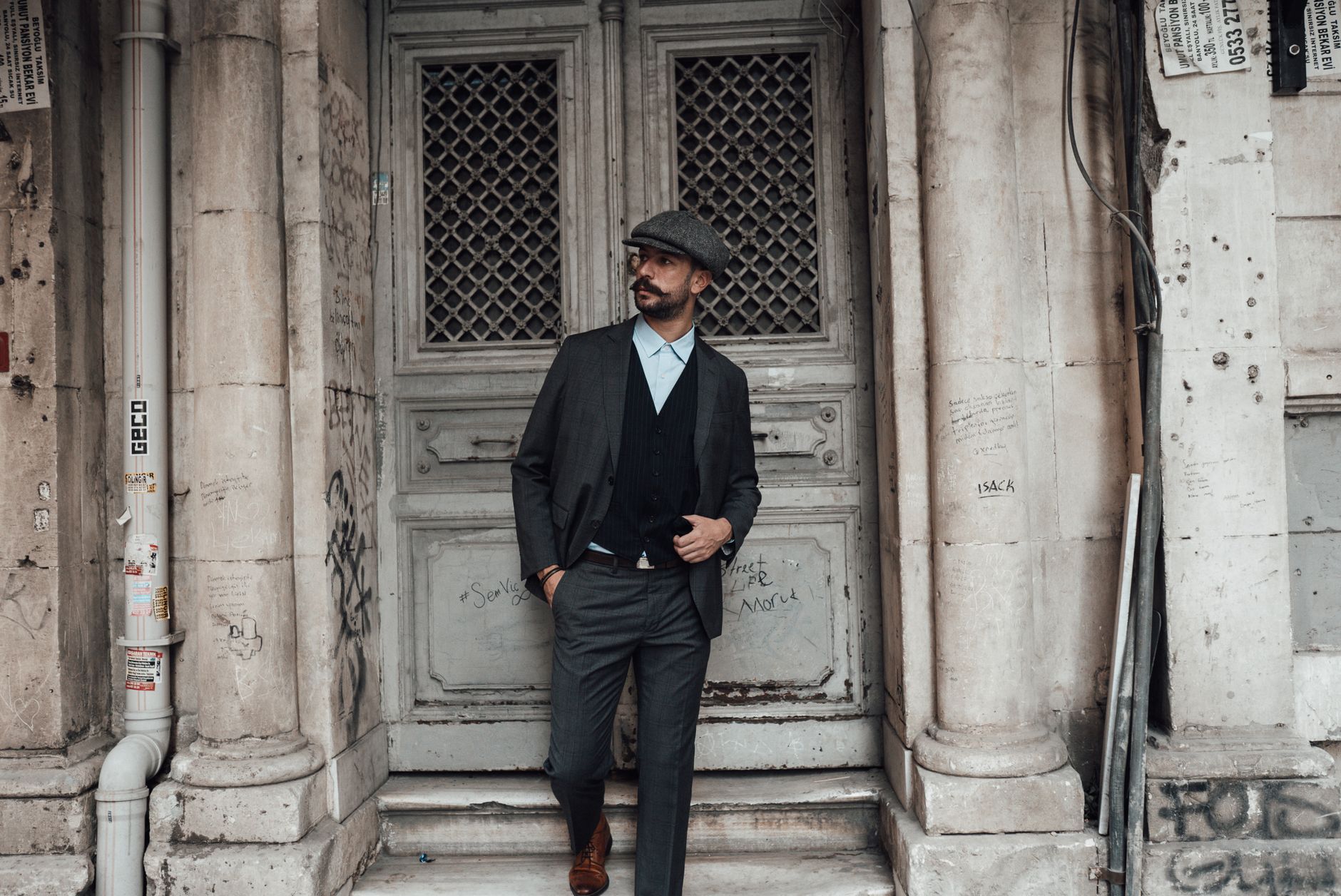
Dressing like old money is about more than just the right outfit; it’s a lifestyle choice that embodies sophistication, classic style, and understated elegance. This guide will offer practical tips and outfit inspirations to help you cultivate that refined look, focusing on timeless pieces rather than trends, and emphasizing quality over quantity.
Understanding the essence of old money style can help you create a wardrobe that exudes class without being ostentatious. By carefully selecting your garments and accessories, you can effortlessly communicate a sense of tradition and wealth that is both fashionable and practical.
How To Dress Like Old Money?
To dress like old money, focus on investing in high-quality, classic pieces that embody timeless elegance. Prioritize natural fabrics, subtle color palettes, and tailored fits. Build a wardrobe around versatile staples, and always accessorize thoughtfully to elevate your overall appearance without appearing flashy.
Key Characteristics of Old Money Style
Before diving into wardrobe essentials, it helps to understand the defining characteristics of old money style. Here are some key points to keep in mind:
- Timelessness: Old money style focuses on classic silhouettes that remain fashionable across decades.
- Quality over Quantity: Invest in fewer pieces made from high-quality fabrics. Look for craftsmanship, durability, and longevity.
- Subtle Colors: Choose a muted color palette that includes timeless shades like navy, grey, white, and soft earth tones.
- Tailoring: Ensure that everything fits perfectly. Well-fitted garments elevate your look significantly.
- Minimal Accessories: Accessories should enhance your outfit without overwhelming it. Think understated jewelry, watches, and scarves.
Essential Wardrobe Items for an Old Money Look
Building a capsule wardrobe with timeless pieces allows for endless outfit combinations. Below are some must-have items for both men and women:
For Women
- Classic Blazer: A structured blazer in a neutral color can be dressed up or down.
- Silk Blouse: Opt for simple designs that can be layered under blazers or worn alone.
- A-Line Skirt: A knee-length A-line skirt works for various occasions and pairs well with tailored tops.
- Tailored Trousers: High-waisted trousers offer an elegant silhouette that complements many tops.
- Little Black Dress: This versatile dress is essential for formal functions or casual outings.
- Cashmere Sweater: Soft and cozy, a cashmere sweater adds warmth and sophistication.
- Classic Trench Coat: An elegant trench coat is perfect for transitional weather.
- Classic Pumps: A pair of leather pumps in a neutral shade can elevate any outfit.
- Leather Tote: A structured leather tote is practical while still elegant for daily use.
For Men
- Suit Jacket: A single-breasted suit jacket in navy or grey is a cornerstone of men’s old money style.
- Dress Shirt: Stick to solid colors or subtle patterns in high-quality cotton or linen.
- Tailored Chinos: These provide a polished alternative to jeans and work well with dress shoes.
- Crew Neck Cashmere Sweater: Ideal for layering, especially during the cooler months.
- Classic Overcoat: Look for overcoats in neutral shades for a refined outer layer.
- Leather Oxford Shoes: A must-have for both casual and formal attire.
- Watch: A simple, quality timepiece completes your look without being overly flashy.
- Leather Belt: Choose a belt that matches the color of your shoes for a polished appearance.
Outfit Ideas for Different Occasions
Below are suggested outfit combinations that reflect the old money aesthetic for various occasions.
Casual Day Out
- Women: Pair a tailored blazer with a basic silk blouse, high-waisted trousers, and classic pumps. Add a leather tote for practicality.
- Men: Combine a crisp dress shirt with tailored chinos and leather loafers. A lightweight cashmere sweater can be layered for comfort.
Business Casual
- Women: Opt for an A-line skirt with a fitted blazer and silk blouse. Finish the look with low-heeled pumps and minimal jewelry.
- Men: Wear a suit jacket with dark trousers and a dress shirt. Consider wearing a tie that complements your jacket for a polished finish.
Formal Event
- Women: A little black dress with a silk scarf and classic pumps. Keep accessories simple and elegant.
- Men: A well-fitted suit with a quality dress shirt and leather Oxfords. A tasteful watch completes the ensemble.
Weekend Brunch
- Women: Choose a casual sundress paired with a lightweight cardigan and strappy sandals.
- Men: Combine tailored shorts with a short-sleeve shirt and loafers for a relaxed yet sophisticated look.
Layering Techniques
Layering is an essential aspect of dressing like old money, allowing you to adapt your outfits to changing temperatures while maintaining elegance. Here are a few tips on effective layering:
- Use Lightweight Fabrics: Start with a base layer of breathable fabric like cotton or silk, then add cashmere or wool for warmth.
- Mix Textures: Layer different textures to keep your look dynamic. Consider pairing a smooth blouse with a textured blazer.
- Proportions Matter: Balance fitted and relaxed pieces; for instance, pair a slim-fit trousers with a loose-fitting sweater.
- Monochromatic Layers: Different shades of the same color can create a sophisticated look while allowing for easy layering.
Color Coordination and Fabric Choices
Understanding color coordination will simplify outfit planning and help you look polished. Here are principles to guide your selections:
Color Palettes
- Neutral Basics: Build your wardrobe around neutral colors like black, white, navy, and beige.
- Accent Colors: Choose one or two soft accent colors (like dusty rose or sage green) to add interest to your outfits.
- Seasonal Colors: Adapt your wardrobe for the seasons; light hues for spring and summer, deeper shades for fall and winter.
Fabric Selection
- Cotton: Versatile, easy to care for, and breathable for all seasons.
- Silk: Luxurious and elegant, perfect for blouses and scarves.
- Wool/Cashmere: Ideal for colder months, providing warmth and sophistication.
- Linen: Great for summer; breathable and lightweight, but requires more care.
Caring for Your Garments
Quality garments require proper care to maintain their appearance and longevity. Here are essentials for garment care:
- Read Care Labels: Always check the label for washing and drying instructions specific to the fabric.
- Dry Cleaning: Invest in professional cleaning for delicate fabrics such as silk and cashmere.
- Hand Washing: Use cold water and gentle detergent for items that can be hand washed, like fine knits.
- Store Properly: Use padded hangers for blouses and suits, and fold knitwear to prevent stretching.
- Remove Stains Quickly: Tackle stains immediately with suitable methods to prevent setting.
Accessorizing Like Old Money
Accessories should complement rather than overpower. Here are some tips on choosing the right accessories:
- Fine Jewelry: Opt for classic pieces, such as pearl earrings or a simple gold necklace, to maintain a polished look.
- Quality Handbags: Invest in a structured leather handbag in a neutral color that can be used for various occasions.
- Scarves: A silk scarf can add a pop of sophistication to an outfit, whether tied around the neck or handbag.
- Belts: Choose a leather belt that matches your shoes for a coordinated look.
- Sunglasses: Select timeless styles like aviators or cat-eye frames for a chic finish.
Shopping Tips for Old Money Style
When shopping for old money style, keep these tips in mind:
- Invest Wisely: Focus on high-quality brands known for their craftsmanship, even if they come at a higher initial cost.
- Shop Vintage: Consider vintage or second-hand shops for unique, timeless pieces that tell a story.
- Prioritize Fit: If the fit isn’t perfect, consider tailoring to achieve the right silhouette.
- Seek Versatility: Look for pieces that can be styled for multiple occasions, from casual to formal.
Fashion History of Old Money Style
To appreciate old money style, it’s helpful to explore its fashion history. The old money aesthetic draws from a blend of classic European influences and the understated elegance of American fashion. Here’s how it evolved:
- Early 20th Century: The upper class exhibited fashion through styles that exuded power and wealth but avoided extravagance.
- Post-War Era: The 1940s and 1950s saw a return to conservative clothing; simplicity and quality were prized.
- Modern Adaptation: Contemporary old money style embraces classic silhouettes with modern touches. Think vintage styles reimagined for today.
Understanding these historical contexts allows you to curate an old money wardrobe that feels both timeless and fresh.
Conclusion
Incorporating old money style into your wardrobe revolves around cultivating a selection of quality, timeless pieces, understanding color coordination, and mastering the art of accessorizing. By focusing on these elements, you can develop an elegant style that reflects both sophistication and individuality. Try combining classic tailored trousers with a silk blouse for a refined look, or invest in a quality overcoat for transitional seasons to enhance your wardrobe.
To explore more about building an old money wardrobe, check out our guides on how to achieve an old money look at this link and delve into the details of old money style with our piece on what is old money style.