
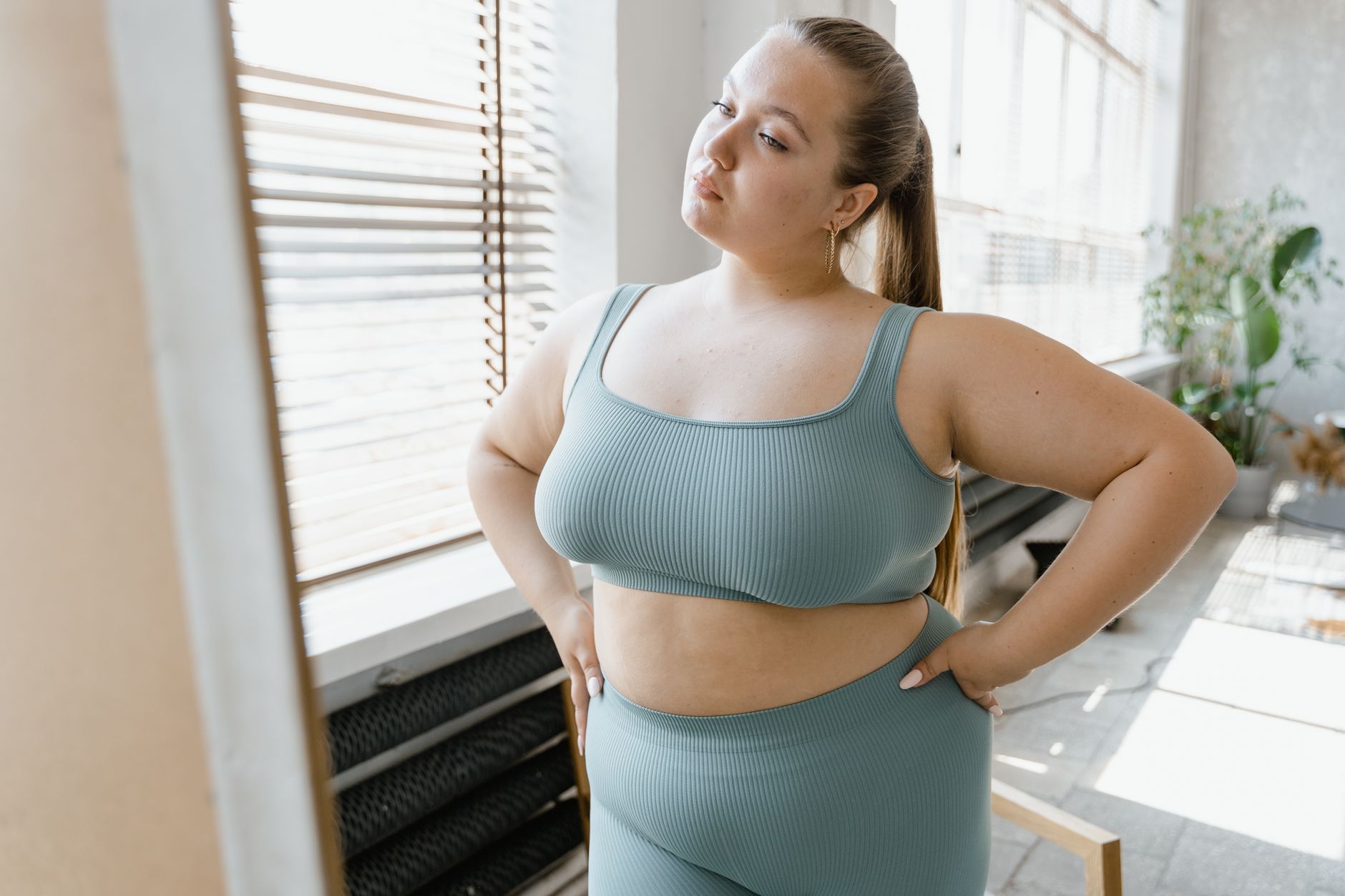
In a world filled with diverse body shapes and sizes, dressing for body positivity is essential for embracing and celebrating who you are. Fashion isn’t just about appearance; it’s a powerful tool for expressing individuality, confidence, and comfort. This guide will equip you with practical tips to help you dress in a way that makes you feel empowered, beautiful, and authentic in your skin.
Whether you’re curating a capsule wardrobe or exploring style options for different occasions, understanding how to enhance your unique silhouette can elevate your confidence daily. Let’s delve into the essentials of dressing for body positivity, including outfit ideas, fit considerations, and accessorizing tips.
How To Dress For Body Positivity?
Dressing for body positivity means choosing clothing that reflects your personal style while prioritizing comfort and fit. Focus on silhouettes, fabrics, and colors that flatter your body shape, embrace your individuality, and allow you to express yourself with confidence.
Understanding Your Body Shape
The foundation of dressing for body positivity begins with understanding your body shape. Identifying your body shape can help you select styles that highlight your best features and provide a comfortable fit.
Body Shape Categories
- Apple: Typically characterized by a fuller upper body, narrower hips, and a defined waist. Look for styles that emphasize your legs and create balance.
- Pear: Features wider hips and a smaller waist and shoulders. Aim for outfits that draw attention to your upper body and define your waist.
- Hourglass: Defined by balanced bust and hip measurements with a narrower waist. Choose clothing that highlights your curves.
- Rectangle: Marked by a straight silhouette without significant waist definition. Opt for styles that create curves and add shape.
- Inverted Triangle: Characterized by broader shoulders and a narrow waist and hips. Focus on balancing the volume between your shoulders and hips.
Choosing the Right Fit
Fit is crucial in achieving a body-positive look. Wearing clothes that fit well enhances your comfort and boosts your confidence.
Key Fit Considerations
- Tailoring: Don’t shy away from alterations. A tailored piece can dramatically improve your outfit. Consider investing in a good tailor.
- Comfort: Prioritize comfort over trend; if you feel uncomfortable, you’ll likely express that discomfort through your body language.
- Proportion: Understand how to break up your silhouette. For instance, pairing high-waisted bottoms with a tucked-in top can accentuate the waist.
- Layering: Layering adds dimension and allows for versatility in styling. Opt for lightweight fabrics for added comfort.
Color Coordination and Patterns
Color can dramatically impact your appearance and mood. Understanding how to coordinate colors and patterns allows for creative expression while enhancing body positivity.
Choosing Colors
- Skin Tones: Understand which colors complement your skin tone. Warm skin tones often shine in earthy colors, while cool skin tones may prefer jewel tones.
- Color Blocking: Use contrasting colors to create a cohesive look. A bold color for your top and a darker tone for your bottom can create a balanced silhouette.
- Monochrome Outfits: Dressing in one color can elongate the body and provide a seamless appearance.
Pattern Play
- Smaller Patterns: If you prefer patterns, choose smaller prints that won’t overwhelm your figure.
- Vertical Stripes: Vertical lines can elongate your silhouette, while horizontal stripes may have a widening effect. Choose based on your body goals.
- Mixing Patterns: Play with mixing patterns by keeping one piece subtle and letting the other stand out to create a fun, layered look.
Wardrobe Essentials for Body Positivity
Cultivating a wardrobe filled with versatile pieces allows for effortless dressing, ensuring you feel good no matter the occasion.
Essential Garments
- Basic Tees: Opt for high-quality, breathable cotton or linen tees. Choose colors that suit your skin tone.
- Tailored Blazers: A fitted blazer adds polish to any outfit while creating structure.
- Wrap Dresses: Ideal for highlighting the waist and providing flexibility in sizing.
- High-Waisted Bottoms: These help to define your waistline and provide comfort.
- Classic Jeans: A well-fitting pair of jeans is a staple. Look for varying cuts like straight-leg, bootcut, or skinny to find your favorite.
- Midi Skirts: These can be both flattering and versatile for different occasions.
- Statement Coats: A bold outer layer can elevate a simple outfit and provide warmth during colder months.
- Footwear Basics: Invest in comfortable shoes like loafers or ankle boots that work well across various outfits.
Creating a Capsule Wardrobe
A capsule wardrobe simplifies dressing and promotes conscious consumption through versatile pieces that mix and match easily.
Building Your Capsule Wardrobe
- Identify your personal style and the colors that work for you.
- Choose 5-7 essential tops, 3-5 bottoms, and 2-3 outerwear pieces.
- Add a couple of dresses or jumpsuits for versatility.
- Incorporate 2-3 pairs of shoes that complement all outfits.
- Focus on accessories like scarves, belts, or jewelry that can add flair.
Layering Techniques
Layering is a stylish way to add depth to your outfit while providing versatility for changing temperatures.
Layering Essentials
- Lightweight Tanks: A perfect base layer that can be worn under blazers or cardigans.
- Cardigans and Kimonos: These provide warmth and interest without adding bulk.
- Denim Jackets: A classic option that complements most outfits and styles.
- Scarves: These can add texture and color while also serving a practical purpose during colder months.
Adapting Outfits for Seasonality
Different seasons bring varying needs in terms of fabrics and layering.
Spring/Summer Styles
- Light Fabrics: Opt for breathable fabrics such as cotton, linen, and blends that offer comfort in warmer temperatures.
- Light Layers: Choose light cardigans or denim jackets for chilly evenings.
- Sun Hats: Use wide-brimmed hats as both a fashion statement and protection from the sun.
Fall/Winter Styles
- Thermal Layers: Base layers can be added under tops and dresses for warmth without bulk.
- Structured Coats: Invest in a tailored wool or trench coat to elevate any winter look.
- Textured Fabrics: Look for heavier fabrics like wool, cashmere, or thicker knits to provide warmth.
Workwear That Empowers
Dressing for work often involves finding a balance between professionalism and personal style.
Workwear Essentials
- Tailored Pants: Choose structured trousers that fit well around the waist and hips, providing a polished look.
- Blouses: Opt for blouses that can be tucked in or left out, depending on your comfort level.
- Pencil Skirts: A classic choice that can be easily dressed up or down.
- Smart Footwear: Invest in comfortable yet professional shoes, such as loafers or low-heeled pumps.
- Accessorizing: Keep accessories understated for a professional look, focusing on minimalistic pieces.
Casual and Formal Outfits
Understanding how to adapt your style for casual and formal occasions allows for creative expression without sacrificing comfort.
Casual Outfit Ideas
- Relaxed Denim: Pair relaxed-fit jeans with a fitted tee or a loose tank for an effortless look.
- Graphic Tees: Match with high-waisted shorts or skirts for a fun, easygoing vibe.
- Maxi Dresses: These provide comfort and style, perfect for casual summer outings.
Formal Occasion Dressing
- Classic Little Black Dress: A timeless piece that can be dressed up with accessories.
- Tailored Jumpsuits: Offer a modern alternative to dresses while being comfortable and flattering.
- Elegantly Structured Dresses: Fit-and-flare styles or A-line silhouettes can enhance your shape beautifully.
Accessories That Enhance
Accessories are the finishing touches that can elevate your outfit and showcase your personality.
Key Accessory Choices
- Belts: Define your waist by adding a belt to dresses, blouses, or oversized tops.
- Jewelry: Use minimalist or statement jewelry to add interest without overwhelming your look.
- Bags: Select a versatile bag that complements your outfits and fits your lifestyle.
- Footwear: Ensure footwear complements your look while providing comfort for your day.
Understanding Fabric Choices
The right fabric can make a significant difference in comfort, fit, and appearance. Here are some fabric types and their properties.
Common Fabric Choices
- Cotton: Breathable and versatile, ideal for casual wear and layering.
- Linen: Perfect for warm weather; it’s lightweight and breathable but tends to wrinkle easily.
- Wool: A warm choice for colder months, available in various weights for different styles.
- Stretch Fabrics: Offer comfort and ease of movement; great for fitted options.
- Synthetic Blends: Often more durable and wrinkle-resistant, providing a polished appearance.
Garment Care Essentials
Taking care of your clothing ensures longevity and maintains the intended fit and look.
Care Tips
- Always follow the care label. Different fibers have specific washing and drying requirements.
- Use cold water for most washes to protect fabrics and colors.
- Avoid the dryer for delicate items; air dry when possible to prevent shrinkage.
- Store garments properly, hanging where needed to avoid creases.
- Consider local dry cleaners for delicate or structured garments that require professional care.
Shopping Mindfully
Mindful shopping is about selecting pieces that enhance your wardrobe without contributing to excess.
Smart Shopping Tips
- Set a Budget: Determine a reasonable budget before shopping to avoid impulse buys.
- Quality Over Quantity: Invest in well-made pieces that will last versus fast fashion.
- Try Before You Buy: Ensure a good fit by trying items on and assessing how they make you feel.
- Check Return Policies: Opt for stores with good return options, allowing you to reconsider your purchases.
Embracing Personal Style
Ultimately, dressing for body positivity is about expressing who you are while feeling confident and comfortable in your choices. Each person’s style is unique, and embracing it is the first step towards body positivity.
Finding Your Style
- Experiment: Be open to trying new styles, colors, and silhouettes. Fashion is about fun!
- Inspiration: Use social media or magazines to find inspiration that resonates with you.
- Signature Pieces: Identify pieces you love and build around those to create a signature look.
Conclusion
By understanding your body shape, choosing the right fit, and cultivating a wardrobe that reflects your personality, you can dress for body positivity daily. Confidence comes from feeling good in what you wear and celebrating your unique beauty. Start by trying an outfit combination that highlights your favorite features or revisit your wardrobe to assess how you can incorporate these styling tips.
For further styling advice, consider checking out our guides for dressing for body types or building body confidence through fashion.