
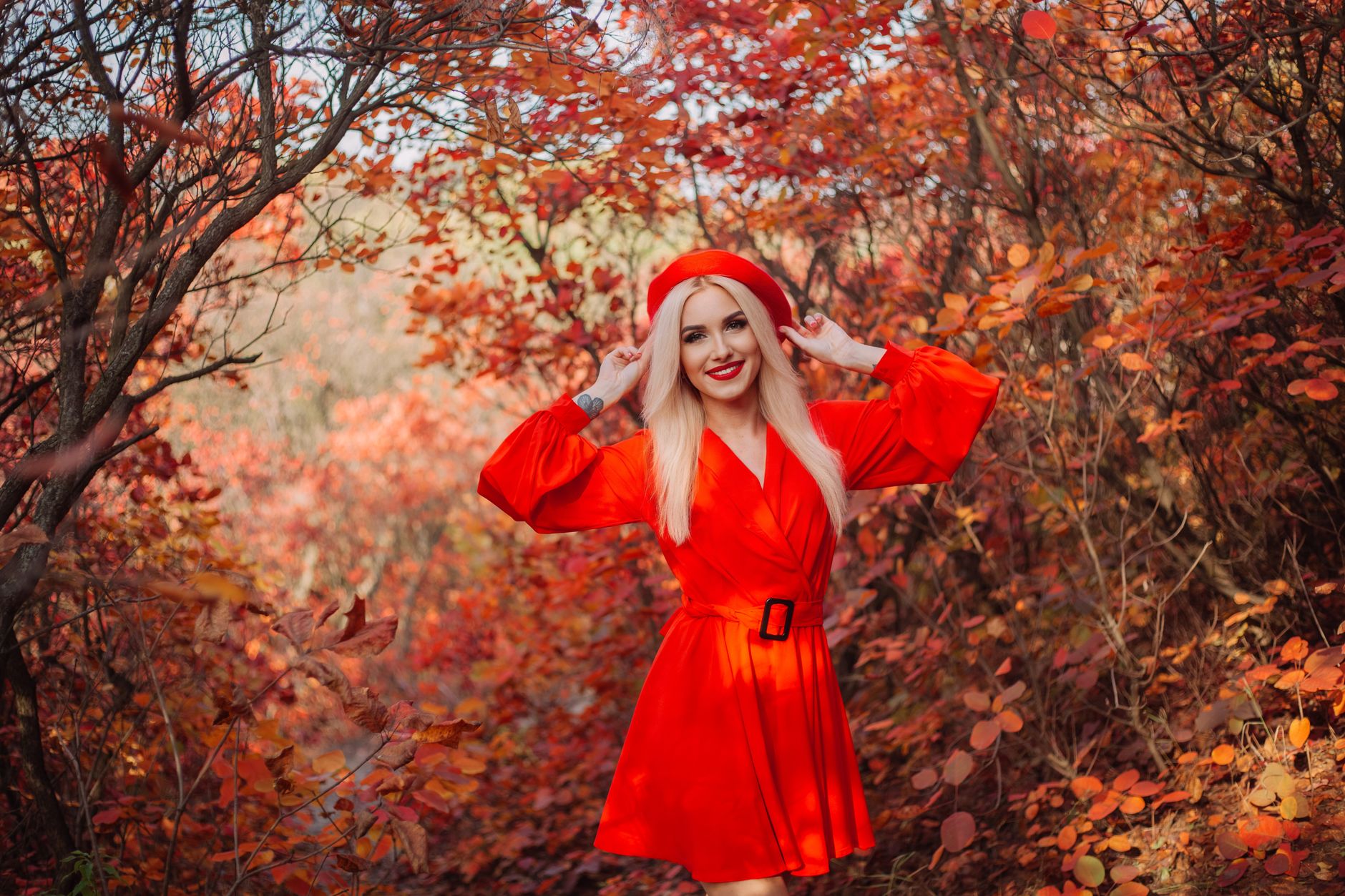
Improving your wardrobe is not just about buying the latest trends; it’s about understanding how to dress intentionally and express your unique style. Whether you are looking for ways to enhance your everyday outfits or wanting to make a statement with special occasion wear, the right styling tips can elevate your entire look.
This guide provides insightful advice on how to dress better, covering essential clothing pieces, outfit combinations, and practical styling techniques that are accessible for everyone. With these tools, you’ll be on your way to mastering the art of dressing well.
How To Dress Better?
To dress better, focus on enhancing your personal style through thoughtful outfit combinations, effective layering, and the use of wardrobe essentials. It’s crucial to understand fit, color coordination, and fabric choices, empowering you to express yourself confidently through fashion.
Understanding Your Personal Style
Before diving into specific outfit ideas, it’s essential to recognize your personal style. This involves evaluating what makes you feel comfortable and express your personality. Here are a few steps to identify your personal style:
- Research Inspiration: Browse through fashion blogs, Pinterest boards, or magazines. Take note of looks you’re drawn to.
- Assess Your Lifestyle: Consider the environments you frequent. Do you need comfortable workwear, casual outfits, or formal attire?
- Create a Vision Board: Compile images or outfits that capture your style. This visual guide can help in building your wardrobe.
Wardrobe Essentials
A well-curated wardrobe begins with a selection of versatile essentials. These pieces can mix and match, allowing for a variety of outfits. Here’s a list of wardrobe staples to consider:
- Classic White Shirt: A timeless piece suitable for both casual and formal looks.
- Tailored Blazer: Great for layering over dresses or pairing with denim for a smart-casual vibe.
- Dark Jeans: A versatile option that works well with different tops.
- Neutral Trousers: Perfect for building polished, office-ready outfits.
- Little Black Dress: An essential for formal occasions that can be dressed up or down.
- Basic T-shirts: These provide a comfortable base for any outfit.
- Comfortable Footwear: Invest in classic styles like loafers, ballet flats, and ankle boots.
Color Coordination
Understanding color theory can significantly enhance your outfit choices. Here are some tips to make color coordination easier:
- Understand Color Palettes: Familiarize yourself with complementary colors and consider a cohesive palette of 2-3 primary colors when building outfits.
- Use Neutrals Wisely: Neutrals like black, navy, white, and beige can provide a foundation for your outfits, allowing you to mix in bolder colors or patterns easily.
- Experiment with Patterns: Start with simple combinations, such as stripes paired with florals, ensuring that one pattern is subtler than the other.
Fit and Proportion
Fit is crucial when dressing well. Ill-fitting garments often detract from even the most stylish combinations. Follow these guidelines to ensure a good fit:
- Know Your Measurements: Understand your body proportions and refer to size charts from brands to find the right fit.
- Tailoring: Consider tailoring pieces that don’t fit perfectly; a tailored look can elevate any outfit.
- Balance Proportions: Pair structured items with softer pieces. For example, combine a fitted top with relaxed-fitting trousers for balanced proportions.
Layering Techniques
Layering adds depth and interest to an outfit while also allowing for adaptability to changing temperatures. Here are some layering techniques:
- Add a Light Base Layer: Start with a fitted turtleneck or long-sleeve shirt to provide warmth without bulk.
- Incorporate Textured Fabrics: Mix different textures, such as denim, cotton, and knits for visual appeal.
- Outerwear Options: A versatile jacket like a trench coat or a leather jacket works well for various occasions.
Occasion Dressing
Different occasions call for unique outfits. Here’s how to dress for various settings:
Casual Wear
Casual outfits should be comfortable yet stylish. Consider:
- Weekend Looks: Loose-fitting jeans and a graphic tee layered with a denim jacket and sneakers.
- Brunch Attire: A midi skirt with a tucked-in blouse and ankle boots for a chic look.
Work Attire
Professional settings require polished and put-together outfits. Consider these ideas:
- Business Casual: A tailored blazer over a blouse and tailored trousers paired with loafers.
- Formal Business: A sheath dress with a blazer and classic pumps can create a strong, professional impression.
Formal Events
Choosing the right outfit for formal occasions can be daunting. Here are options for both genders:
- Dresses: For women, a floor-length gown or an elegant cocktail dress is ideal. Pay attention to fabric and embellishments.
- Suit Options: Men can opt for a well-fitted suit in darker colors and complement it with a crisp dress shirt.
Casualwear vs. Formalwear
Both casual and formal wear have their place, but mixing elements can create fresh looks. For instance, wearing a tailored blazer over jeans can elevate a casual outfit, while a smart casual approach may involve pairing dressy shoes with trousers.
Modest Fashion
Modest fashion is all about dressing stylishly while maintaining personal comfort levels. Considerations include:
- Loose Silhouettes: Opt for flowing maxi dresses or wide-leg trousers.
- Layering Pieces: Use kimonos or long cardigans to add dimension without compromising modesty.
Menswear Inspiration
Men can also benefit from thoughtful styling practices. Here are key tips:
- Investment in Basics: Prioritize essential pieces like well-fitted chinos, a tailored blazer, and versatile footwear.
- Accessorize: Use watches and belts to enhance a look while keeping it simple.
- Mix and Match: Pair patterns thoughtfully. For instance, a pinstriped shirt with plaid trousers can make an outfit pop, provided one pattern is subdued.
Womenswear Essentials
Women’s wardrobes can often be more diverse, allowing for creativity in outfit combinations. Here are must-haves:
- Versatile Skirts: Having a pencil skirt and a flowy midi skirt offers flexibility for various occasions.
- Footwear Variety: Integrate boots, heels, and comfortable flats into your collection.
Gender-Inclusive Style
Fashion should be accessible for everyone, regardless of gender. Here are inclusion-minded tips to enhance style:
- Over-Sized Pieces: Consider gender-neutral oversized shirts or trousers as an alternative to traditional clothing.
- Choose Color and Fabric Based on Preference: Prioritize personal comfort over societal expectations.
Footwear Fundamentals
The right shoes can make or break an outfit. When selecting footwear, consider:
- Versatility: Invest in neutral hues that can complement multiple outfits.
- Comfort Level: Ensure that footwear feels good for long wear—having a pair of comfortable flats can save you from fashion-induced suffering.
Accessorizing Wisely
Accessories can elevate any outfit. Here’s how to choose them effectively:
- Statement Pieces: Use bold jewelry for simple outfits to create a focal point.
- Scarves and Hats: Introduce these elements not just for warmth but also to add texture and color to your ensemble.
Fabric Knowledge
Understanding fabric types can aid in choosing pieces that fit your style goals. Here are a few common fabric types:
- Cotton: Breathable and versatile, suitable for everyday wear.
- Wool: Provides warmth and structure, ideal for formal and casual wear alike.
- Synthetic Fabrics: Often used for activewear, they can be moisture-wicking and durable.
Garment Care Tips
Taking care of your clothes will ensure they look great for years to come. Here are basic care instructions:
- Read Labels: Always check care instructions for washing and drying.
- Regular Maintenance: Learn simple repairs such as sewing buttons or fixing hems to extend garments’ longevity.
- Proper Storage: Use hangers for blazers and dresses, and fold knits to avoid stretching.
Shopping Smart
When shopping, it’s important to do so intentionally. Here are some guidelines:
- Set a Budget: Determine how much you’re willing to spend and stick to it.
- Quality Over Quantity: Focus on buying fewer, higher-quality pieces that will last longer.
- Try Before You Buy: If possible, always fit garments before purchasing to get an idea of the look and feel.
Common Styling Challenges and Solutions
Many people face common styling hurdles. Here are solutions for frequent issues:
- Mixing Patterns: Start with one pattern as the dominant feature and choose a more neutral print as an accent.
- Choosing Shoes: If an outfit doesn’t seem to work, consider swapping out shoes for a different style to see if it improves the look.
- Wardrobe Clutter: Regularly assess your clothing and remove pieces that you haven’t worn in a year.
Building a Capsule Wardrobe
A capsule wardrobe consists of a limited number of versatile clothing items that can be mixed to create a wide range of outfits. To build one, follow these steps:
- Select a Color Palette: Choose a cohesive set of colors to ensure that everything pairs well.
- Choose Key Pieces: Limit your selection to well-fitting basics, layering items, and stand-out pieces.
- Seasonal Adaptations: Update some pieces per season to refresh your wardrobe without starting from scratch.
Enhancing your wardrobe and style is an engaging journey that requires patience and practice. By incorporating smart styling tips, understanding fit, and building an intentional wardrobe, you can refine your look and feel more confident in your outfits. Take these ideas, experiment with combinations, and enjoy the process of elevating your personal style.
To dive deeper into fashion, check out our guides on how to style wide leg pants and how to dress for body types for more inspiration and ideas.