
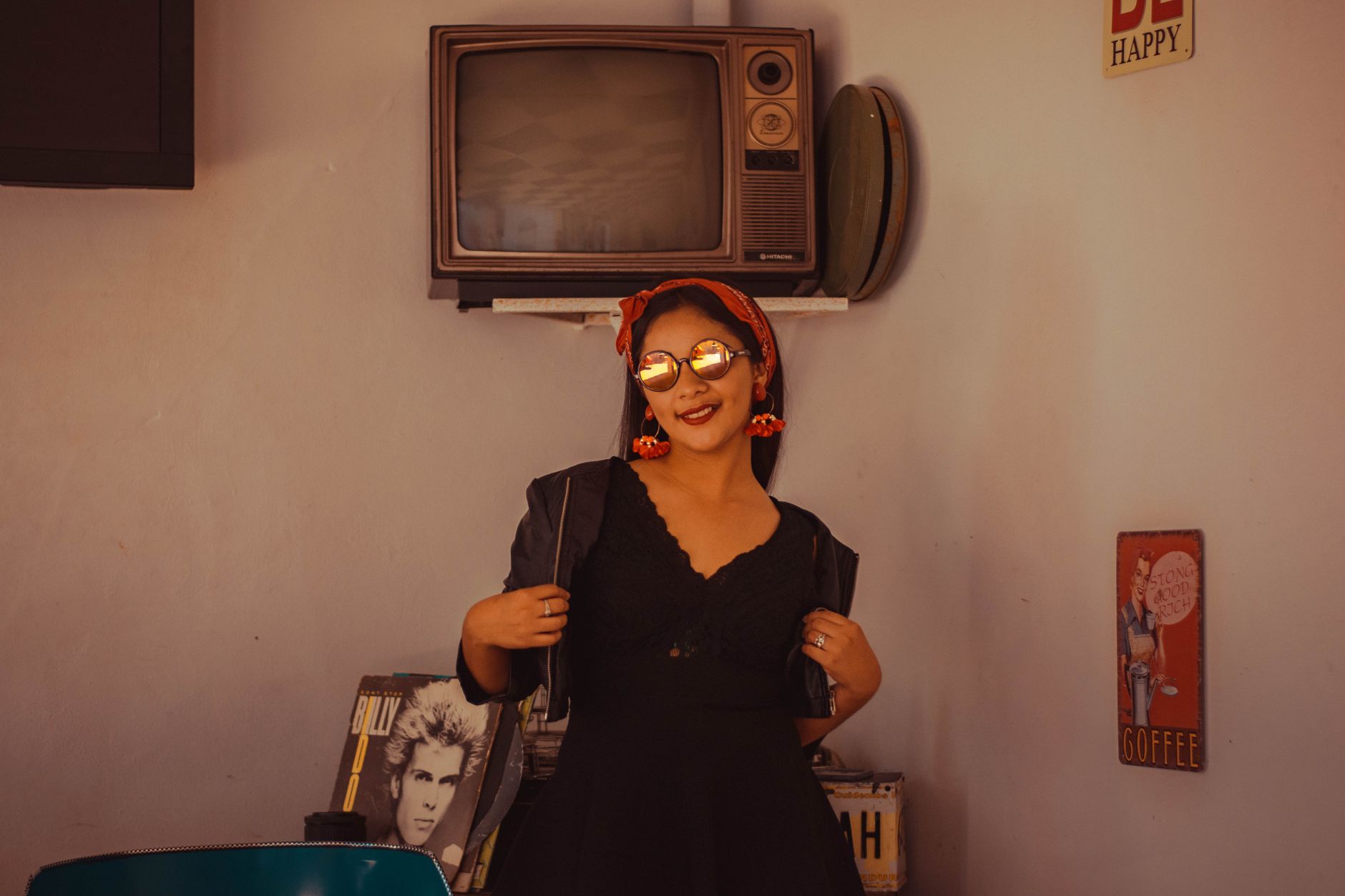
Identifying the decade of an old photograph can provide a fascinating glimpse into fashion history. Understanding the styles of different eras can not only deepen your appreciation for vintage fashion but also inspire contemporary outfit choices. This guide will help you decode the fashion clues in those old images.
From silhouettes and fabrics to accessories and footwear, each decade has its signature elements. By learning to recognize these features, you can effectively date old photographs and infuse your wardrobe with timeless style inspirations.
What Are The Key Features To Date Old Photographs By Fashion Clues?
To date old photographs using fashion clues, look for specific characteristics such as silhouette, fabric, color schemes, and accessories. Each decade has its unique traits that can help you place the image in a specific time period.
1910s: The Edwardian Era
The 1910s were characterized by the decline of the Edwardian corset. Clothing began to loosen, with women’s fashion embracing a S-shaped silhouette. Key features include:
- Long skirts with a slight flare.
- Empire waistlines in dresses, often accompanied by flowing fabrics.
- Men’s suits featured broad shoulders, slim waists, and high buttoning.
- Popular fabrics included lightweight cotton and linen.
Accessory trends included cloche hats and lace gloves for women, while men often wore bowler hats and carried pocket watches.
1920s: The Roaring Twenties
The 1920s marked a significant shift in women’s clothing with the advent of flapper style.
- Drop-waist dresses became the norm, often adorned with beads and fringe.
- Men’s fashion embraced the three-piece suit, featuring wide lapels and trousers that were high-waisted.
- Fabrics like silk and velvet became popular, with bold colors and geometric patterns.
- Accessories included feathered headbands and cloche hats for women, while men favored fedoras and ties.
1930s: The Great Depression Style
Fashion in the 1930s was influenced by economic challenges but maintained an elegance.
- Women’s dresses featured defined waistlines and were often longer in length.
- Men’s suits emphasized a more relaxed fit, with trousers gaining fullness.
- Popular fabrics included rayon and wool blends, often with floral or polka dot prints.
- Accessories included statement jewelry, particularly pearls, and wide-brimmed hats.
1940s: Wartime Fashion
Fashion during the 1940s was shaped heavily by World War II. Practicality reigned supreme.
- Women’s clothing was functional; the “New Look” emerged towards the end of the decade featuring a cinched waist and fuller skirts.
- Men’s styles favored military-inspired suits, often in muted colors.
- Materials like wool and cotton were favored due to fabric rationing.
- Accessories leaned towards functionality, with utilitarian handbags and sturdy shoes.
1950s: The Age of Glamour
The 1950s ushered in a wave of glamour and femininity, inspired heavily by Hollywood stars.
- Women’s dresses became full-skirted with cinched waists, often featuring bold patterns.
- Men adopted the preppy style, with button-down shirts and tailored trousers.
- Fabrics like cotton, taffeta, and silk dominated both men’s and women’s fashion.
- Accessories included cat-eye sunglasses, pearls, and gloves for women; men often wore loafers and caps.
1960s: Breaking Boundaries
The 1960s were known for their counterculture movements and bold fashion statements.
- Mini skirts and shift dresses defined women’s fashion, characterized by bright colors and mod patterns.
- Men’s fashion saw the rise of colorful suits, often worn with skinny ties.
- Materials like polyester became prevalent, with bold prints such as florals and geometric shapes.
- Accessories included statement earrings, oversized sunglasses, and platform shoes.
1970s: The Era of Individuality
The 1970s embraced diverse influences from music and art, promoting personal style.
- Flared jeans and high-waisted trousers became mainstream, often paired with tucked-in blouses or tees.
- Women’s fashion featured maxi dresses and bohemian styles with flowing fabrics.
- Fabrics included denim, corduroy, and bright synthetic blends.
- Accessories included chunky jewelry, wide-brim hats, and platform shoes.
1980s: Power and Excess
The 1980s are often remembered for bold choices and extravagant styles.
- Women’s power suits with shoulder pads became iconic, complementing high-waisted trousers or pencil skirts.
- Men often wore colorful, oversized blazers and relaxed-fit denim.
- Fabrics such as spandex and synthetic blends were popular, featuring loud colors and bold patterns.
- Accessories included big earrings, thick belts, and leg warmers for women; men often sported flashy watches and accents.
1990s: Minimalism Meets Alternative
The 1990s blended minimalism with alternative and grunge aesthetics.
- Women gravitated towards slip dresses and oversized flannel shirts layered over jeans.
- Men’s fashion saw the rise of relaxed-fit jeans paired with graphic tees.
- Popular fabrics included cotton, denim, and flannel.
- Accessories like chokers, Doc Martens boots, and bucket hats were staples.
2000s: Eclectic Styles
The early 2000s marked a diverse infusion of styles influenced by pop culture.
- Women favored low-rise jeans and crop tops, often layered with tank tops or hoodies.
- Men’s casualwear included cargo pants and graphic tees mixed with sneakers.
- Fabrics were varied, with denim remaining popular and softer materials like jersey adding comfort.
- Accessories ranged from trucker hats to brightly colored sunglasses.
Identifying Fashion Through Photography: Practical Steps
When you come across an old photograph, here’s how to effectively use fashion clues to date it:
- Analyze the clothing styles: Look for silhouettes, lengths, and fits typical of specific decades.
- Examine the fabrics: Determine the material based on texture and pattern, as specific fabrics were more popular during certain times.
- Observe the colors: Color palettes often reflect the trends of the time, from the vibrant hues of the 1980s to the minimalist colors of the 1990s.
- Check accessories: Hats, shoes, and jewelry can offer significant clues as to when the photograph was taken.
- Consider hair and makeup trends: Hairstyles and makeup styles can be unmistakable markers of a decade.
Combining Vintage Elements in Wardrobe
Once you’ve dated your photograph, consider integrating some of those vintage fashion elements into your wardrobe. Here’s how:
- Pick a decade that resonates with you and start with a key piece, such as a flapper dress from the 1920s or flared jeans from the 1970s.
- Pair vintage pieces with modern items for a balanced look. For instance, wear a vintage blazer over a modern graphic tee.
- Use accessories to tie the look together; a vintage statement necklace can enhance a simple modern outfit.
- Layer carefully: Mix structured and relaxed pieces to achieve a well-rounded aesthetic.
- Experiment with color palettes and textures that appeared in your chosen decade.
Seasonal Dressing with Vintage Touches
Integrating vintage elements allows for creativity while dressing for the seasons. Here are some suggestions:
- In warmer weather, opt for light fabrics like cotton or linen. A 1950s-inspired dress can be breezy yet stylish.
- For colder months, layer vintage wool coats over modern outfits. A 1960s coat can add flair to a contemporary look.
- Accessorize based on the season: Add vintage hats and scarves in winter and lightweight jewelry in summer.
- Don’t shy away from seasonal colors: Incorporate vintage hues that align with current seasonal trends.
Taking Care of Vintage Pieces
When incorporating vintage items into your wardrobe, their maintenance is crucial for longevity.
- Always check the care label and follow specific washing instructions.
- Store vintage clothing in a cool, dry place away from direct sunlight.
- Use gentle laundry techniques; hand wash delicate fabrics and avoid harsh detergents.
- If needed, consult a professional cleaner for stubborn stains or delicate fabrics.
Exploring Fashion History for Inspiration
Diving deeper into fashion history can further enhance your understanding and appreciation of vintage fashion. Here’s how to explore:
- Visit museums that have dedicated exhibitions on fashion history.
- Read fashion history books that chronicle significant styles and their social impacts.
- Watch documentaries focused on fashion trends and influential designers across the decades.
- Engage with vintage fashion communities online or through social media platforms where you can learn and share ideas.
Dating old photographs by fashion clues is not only a rewarding quest but can also enrich your personal style journey. By recognizing the features of past decades, you can learn, appreciate, and creatively adapt these styles into your modern wardrobe.
For practical next steps, consider trying a vintage piece in your outfit this week! See how it can inspire your everyday looks. If you’re interested in carrying those styles into the present, check out our tips on styling 80s menswear or learn how to dress in 70s fashion with current pieces.