
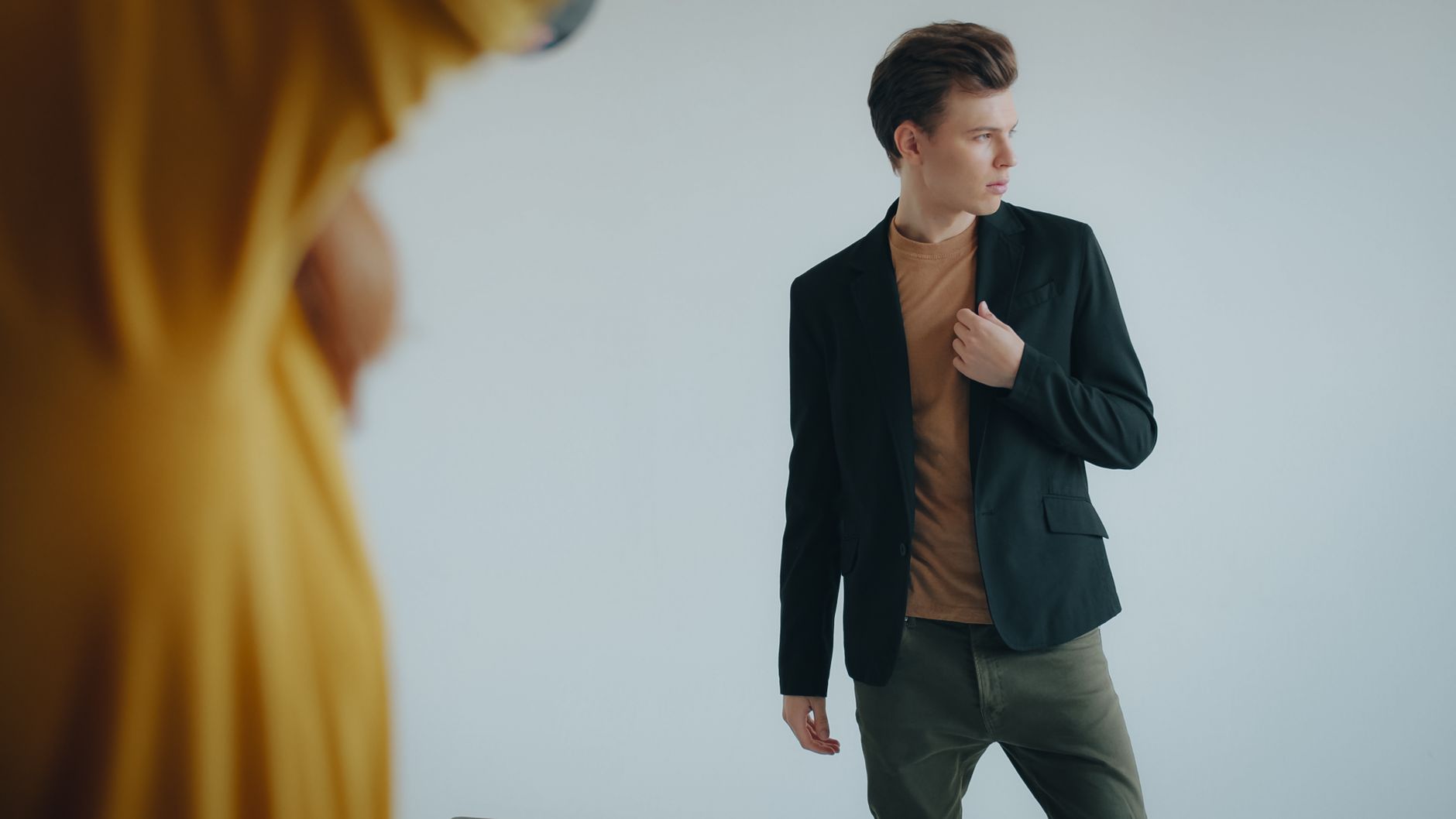
Becoming a male model encompasses more than just good looks; it requires confidence, style, and a solid understanding of the fashion industry. Whether you aspire to walk the runway, star in campaigns, or pose for magazine spreads, this guide provides practical advice on how to navigate this competitive field and establish yourself as a successful male model.
From understanding the requirements to mastering the art of posing and maintaining your appearance, the journey involves strategic planning and dedication. This article will break down the essential steps, outfit ideas, and styling tips to help you thrive as a male model.
How To Become A Male Model?
To become a male model, you need to understand the industry, develop your portfolio, and network effectively. This involves proper grooming, choosing the right outfits, and finding a reputable agency that aligns with your goals.
Understanding the Basics of Male Modeling
Modeling isn’t just about taking pictures; it’s about conveying emotion, styling, and understanding the nuances of fashion. Before you embark on your journey, familiarize yourself with the different types of modeling:
- Fashion Modeling: Typically associated with runway shows and editorial shoots.
- Commercial Modeling: Involves modeling for advertisements and promotional material.
- Fitness Modeling: Focuses on athletic physique and lifestyle brands.
- Plus-Size Modeling: Highlights larger male figures in fashion, designed to promote inclusivity.
Each modeling genre has distinct requirements. Take time to explore which area resonates with your interests and physical attributes.
Building Your Portfolio
A modeling portfolio showcases your versatility and experience. Here are some key steps to consider:
- Start with Professional Photos: Invest in professional photography to get high-quality images that represent your style and look. Consider including a range of shots: headshots, full-body shots, and lifestyle images.
- Showcase Your Range: Your portfolio should reflect various styles and moods. Include images that highlight your ability to embody different characters or looks.
- Feature Your Best Work: Quality over quantity is important. Choose about 10-15 strong images that best represent you, rather than including every shoot you’ve done.
Update your portfolio regularly as you gain more experience and shoot new projects. A strong portfolio is vital for attracting agent attention and job opportunities.
Networking and Finding Representation
The modeling industry is often built on connections. Here are effective ways to network:
- Attend Modeling Events: Go to fashion shows, modeling expos, and workshops. These are great opportunities to meet industry professionals and gain insight into the biz.
- Use Social Media: Platforms like Instagram can showcase your look and style. Engage with fashion brands, photographers, and fellow models to grow your network.
- Seek Representation: Research modeling agencies that suit your style. Submit your portfolio and follow their submission guidelines carefully.
Working with a reputable agency can offer you valuable industry insight and access to better job opportunities.
Grooming and Self-Care
Your appearance is crucial in modeling. Here’s how to maintain a polished look:
- Skincare Routine: Invest in a skincare regimen that suits your skin type. Cleanse, moisturize, and protect your skin daily.
- Hair Care: Keep your hair well-groomed. Regular haircuts and maintaining your style are essential for modeling.
- Nutrition and Fitness: A balanced diet and regular exercise will help you maintain your physique. Focus on a healthy lifestyle to ensure you look your best.
Taking care of your body is just as important as the clothes you wear.
Outfit Ideas for Male Models
Being a model means knowing how to style outfits suitable for various shoots. Here are essential outfit combinations:
Casual Looks
- Jeans and a T-Shirt: A classic and versatile outfit that works for many casual settings. Opt for a fitted t-shirt and tailored jeans.
- Layering with Jackets: Denim jackets or casual blazers can elevate a basic look. Choose neutral shades for versatility.
- Stylish Sneakers: Footwear can change the tone of your outfit. Clean, fashionable sneakers work well in many casual contexts.
Smart Casual & Business Attire
- Chinos with a Button-Down Shirt: This look is comfortable yet sophisticated. Add a blazer for a polished appearance.
- Tailored Suits: Understanding your fit is key. Invest in a well-tailored suit that enhances your frame and projects confidence.
- Leather Shoes: Pair suits with high-quality leather shoes in black or brown for formal occasions.
Seasonal Fashion
Adjust your wardrobe to suit seasonal changes:
- Spring/Summer: Light fabrics like cotton and linen are perfect for warmer weather. Choose light colors and breathable styles.
- Fall/Winter: Layering is essential. Invest in quality outerwear such as coats and jackets. Cashmere or wool fabrics provide warmth without sacrificing style.
Capsule Wardrobe Essentials
Building a capsule wardrobe can streamline your choices. Key pieces include:
- White and black t-shirts
- Dark denim jeans
- Tailored blazer
- Classic sneakers
- Versatile loafers or oxfords
- Hemmed chinos
- Sweaters in neutral colors
This combination allows for versatile styling, with countless options for mixing and matching pieces.
Understanding Dress Codes
Being aware of various dress codes will prepare you for different modeling scenarios:
- Business Formal: Suits, ties, and polished shoes. Opt for tailored pieces in dark colors.
- Smart Casual: A combination of casual and formal. Pair tailored trousers with a neat shirt and stylish shoes.
- Casual: Comfortable yet put-together outfits. Clean jeans and fitted tees fit the bill.
Each setting may have specific guidelines, so always check for any details before an event or shoot.
Staying Updated on Fashion Trends
Understanding current fashion trends is crucial in modeling. Here are ways to stay informed:
- Follow Fashion Influencers: Instagram and TikTok are rich platforms for fashion inspiration. Explore different creators and their styling choices.
- Read Fashion Magazines and Blogs: Regularly consuming content from publications like Vogue or GQ helps you stay aware of trends.
- Watch Fashion Shows: Platforms like YouTube allow you to watch more runway shows than you could attend in person.
Being trend-savvy can help you adapt your style to the current industry demands.
Accessorizing Like a Pro
Accessories add personality to your outfits. Here are key pieces to consider:
- Watches: A classic watch can provide an elegant touch. Choose styles that align with your outfit’s formality.
- Belts: A nice leather belt can complete your look, especially with tailored trousers.
- Hats: Fedoras or beanies can add a unique flair. Choose according to the season and style.
Remember, less can be more. Select a few standout pieces that enhance your outfit rather than overwhelming it.
Understanding Fit and Proportions
Fit is crucial when aiming to showcase your modeling portfolio. Key principles include:
- Ensure clothing fits well; avoid anything too tight or overly baggy.
- Be mindful of body proportions. For instance, pairing fitted tops with loose bottoms may create a balanced look.
- Select styles that suit your body type. Different silhouettes flatter different body shapes.
Understanding fit helps you appear polished and confident, both in photographs and real life.
Shopping Smart: Where to Buy
When shopping for your wardrobe, consider the following criteria:
- Quality Over Quantity: Invest in fewer but higher-quality pieces that last longer.
- Brand Research: Familiarize yourself with brands that align with your style and budget. Read customer reviews for insights.
- Seasonal Sales: Take advantage of end-of-season sales to save on quality items.
Prioritizing smart shopping strategies makes building your wardrobe both efficient and cost-effective.
Fabric and Garment Care
Understanding the care required for different fabrics will extend the life of your clothing:
- Cotton: Typically machine washable. Follow care instructions to avoid shrinking.
- Wool: Often needs dry cleaning. Check the label for specific guidelines.
- Silk: Usually requires gentle hand washing or dry cleaning. Avoid hanging to prevent stretching.
By respecting fabric care instructions, you ensure your clothes remain in pristine condition.
Developing Your Style Identity
Your personal style will help set you apart in the modeling world. Consider these tips:
- Experiment: Try different looks and styles to discover what suits your personal aesthetic.
- Incorporate Trends Cautiously: While staying updated on trends is important, adapt them to fit your style rather than following blindly.
- Confidence is Key: Wear what makes you feel confident. Your comfort level will reflect in your appearance.
Establishing a recognizable style can lead to greater opportunities in the industry.
Building a career as a male model involves strategy, creativity, and dedication. From creating a standout portfolio to understanding fashion trends, your efforts will pay off as you grow in this vibrant industry. Focus on continuous improvement and networking, and remember, every great model started somewhere.
For more in-depth resources, feel free to explore guides on how to become a fitness model or how to get into modeling.