
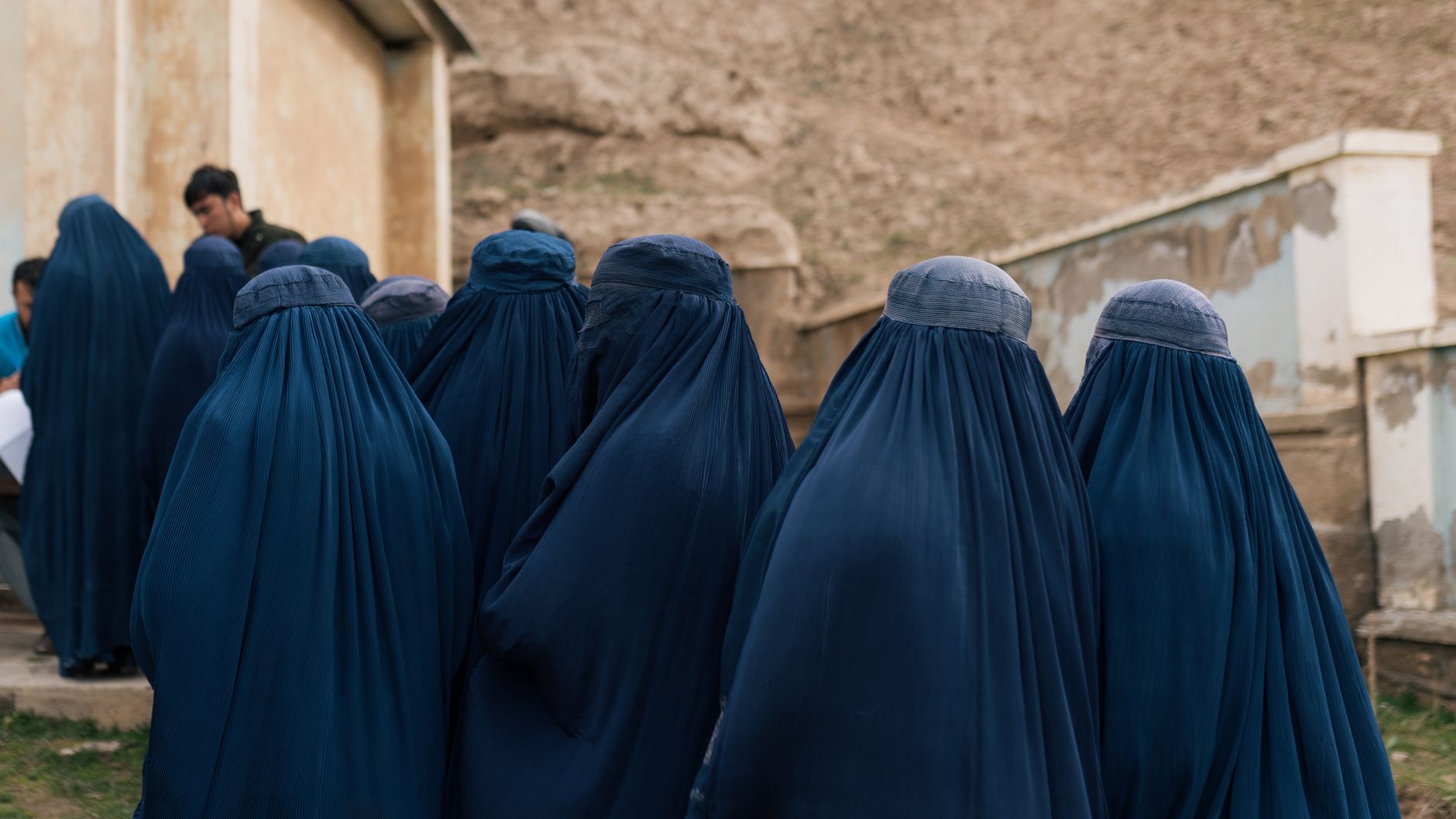
Fashion in Afghanistan is a vibrant tapestry woven from the country’s rich history, culture, and traditions. It encompasses a variety of styles, fabrics, and techniques that reflect the diverse ethnic groups inhabiting the region. This article aims to explore the meaning, uses, and style guidance related to Afghan fashion, providing ideas that can inspire personal style while respecting cultural nuances.
From workwear to casual outfits, formal attire to occasion dressing, understanding Afghan fashion can help anyone appreciate its unique beauty and adaptability. Let’s dive into the various aspects of fashion in Afghanistan, including outfit combinations, fabrics, styling tips, and more.
How Fashion Afghanistan? (Meaning, Uses & Style Guide)
The term “fashion Afghanistan” refers to the traditional and contemporary styles of clothing that are prevalent in Afghanistan. Afghan fashion represents not just clothing but also a reflection of identity, historical significance, and cultural heritage. By examining how these elements come together, one can appreciate the versatility and intricacies of Afghan garments.
Understanding Afghan Fashion History
Afghanistan’s history plays a significant role in shaping its fashion landscape. The country has been a crossroads of trade between the East and West for centuries, resulting in a convergence of styles. Traditional clothing often incorporates vibrant colors, elaborate embroidery, and intricate weaves, showcasing the skills of local artisans.
Several key garment styles include:
- Shalwar Kameez: A widely worn outfit consisting of a tunic (kameez) and loose trousers (shalwar). It is often adorned with rich embroidery and can be styled differently for various occasions.
- Chador: A full-body cloak typically worn by women to maintain modesty and cultural values.
- Pakol: A traditional hat worn primarily by men, often made from wool and featuring a thick rolled brim.
Wardrobe Essentials Inspired by Afghan Fashion
Building an Afghan-inspired wardrobe means selecting versatile pieces that can be worn for different occasions while maintaining comfort and style. Here’s a list of essentials that embody the spirit of Afghan fashion:
- Shalwar Kameez – Opt for a variety of colors and patterns to mix and match.
- This enhances diversity in attire while ensuring comfort, as the shalwar kameez allows for good movement.
- Pashmina shawls – These can be draped elegantly, perfect for layering during colder months.
- Embroidered jackets – Available in various fabrics, embroidered jackets can elevate casual outfits.
- Long skirts and dresses – Flowing fabrics with intricate designs can be paired with simple tops.
- Footwear – Traditional Afghan sandals or modern styles work well.
- Accessories – Handmade jewelry like silver bangles or beaded necklaces can complete a look.
Styling Tips for Afghan Fashion
To effectively style Afghan fashion pieces, consider these practical tips:
- Fit: Ensure that garments fit well. The beauty of the shalwar kameez, for example, is its ease of fit. The top should be loose enough, while the trousers should be slightly tapered at the ankles for a polished look.
- Layering: Layering is essential in Afghan fashion. Use pashmina shawls or long cardigans to adapt your outfit from day to night or for seasonal changes.
- Color Coordination: Afghan outfits are often colorful. Choose one or two main colors, then select additional pieces that complement or contrast without overwhelming the look.
Capsule Wardrobe Ideas with Afghan Influence
A capsule wardrobe focuses on versatile pieces you can mix and match. Here is a suggestion for creating an Afghan-inspired capsule wardrobe:
- Three interchangeable shalwar kameez sets in diverse colors.
- Two embroidered jackets – one long and one cropped.
- A couple of long skirts that can layer under the kameez.
- Two pairs of versatile sandals – one flat and one with a small heel, suited for different styles.
- A selection of accessories that can switch outfits effortlessly – a statement necklace, small hoops, and a few layered bracelets.
- Two pashmina shawls in neutral colors and a vibrant one for added flair.
Occasion Dressing in Afghan Fashion
Occasion dressing is vital in Afghan culture. Whether attending weddings, religious ceremonies, or social gatherings, outfits often reflect the significance of the occasion. Here are some outfit ideas for different events:
For Weddings
Weddings are often grand occasions in Afghanistan. Consider a richly embroidered shalwar kameez, paired with a vibrant dupatta. Coordinate with statement gold jewelry and an elegant updo to complete the look. Footwear should be stylish but comfortable, as weddings can go on for hours.
For Workwear
In a professional setting, you can choose a tailored shalwar kameez with a blazer. Opt for dark, muted colors for a more conservative look, while still embracing the vibrant embroidery details. Closed-toe shoes are best for formal environments, while a structured handbag adds sophistication.
For Formal Events
Formal events require elegance. Choose a long dress with exquisite detailing combined with a light shawl. Choose tapered leggings or fitted trousers underneath for modesty. Pair with elevated heels and eye-catching jewelry to polish the look.
Casual Looks for Everyday Wear
Afghan fashion doesn’t need to be reserved for special occasions. Here are some ideas for casual wear:
Casual Outfits
Pair a simple cotton tunic with loose trousers for an effortlessly chic look. Alternatively, a long skirt with a fitted t-shirt creates a laid-back yet stylish ensemble.
- Footwear: Modern flats or chic sneakers are ideal for casual outings.
- Accessories: Opt for subtle beads or a simple scarf that ties into your top.
Layering for Comfort
Layering is crucial for transitioning between seasons. A shalwar kameez topped with a light jacket or cardigan ensures comfort in various temperatures. Experiment with different textiles, and opt for breathable materials to enhance comfort.
Gender-Inclusive Style in Afghan Fashion
Afghan fashion is becoming more gender-inclusive over time, catering to those who wish to express themselves beyond traditional norms. Here are ideas on unisex styling:
- Loose tees with embroidery are suitable for anyone looking for comfort.
- Shalwar kameez tailored with neutral fabrics can appeal to diverse aesthetics.
- Layering with oversized outerwear promotes a relaxed, inclusive look that fits various styles.
Respecting Modesty in Afghan Fashion
Modesty plays a vital role in Afghan fashion, especially for women. Here’s how to embrace modest fashion while still expressing personal style:
- Long, flowy dresses allow for freedom of movement while adhering to modest standards.
- Layering with long cardigans or embroidered shawls can add vibrancy while providing coverage.
- Incorporating traditional patterns can create a modern twist on modest attire.
Choosing the Right Fabrics
The choice of fabric significantly affects garment wearability. Here’s a breakdown:
- Cotton: Lightweight and breathable, cotton is perfect for warmer climates and comfortable wear.
- Silk: Luxurious and often used in formal wear, silk drapes beautifully and adds a touch of elegance.
- Wool: Ideal for colder weather, wool provides warmth and can be used in intricate designs.
Garment Care for Longevity
To ensure your Afghan-inspired pieces last, follow these garment care steps:
- Always check the care label before washing; different fabrics require distinct care methods.
- For handwashing, use cold water and mild detergent; this prevents fading and damage.
- Avoid wringing out delicate fabrics; instead, lay them flat to dry to maintain shape.
- Store garments in a cool, dry place away from direct sunlight to prevent discoloration.
Shopping Tips for Afghan Fashion
When shopping for Afghan fashion, consider the following:
- Local Markets: Often, the best pieces come from local artisans who create unique designs.
- Online Outlets: Research brands that support fair-trade practices, promoting sustainability and tradition.
- Quality Over Quantity: Invest in pieces that show craftsmanship and can be worn on multiple occasions.
Conclusion
Understanding Afghan fashion opens a world of possibilities for embracing color, texture, and culture. By selecting versatile pieces, respecting cultural values, and caring for your garments, you can create a wardrobe that is thoughtful, vibrant, and expressive. Start planning an outfit inspired by Afghan fashion and explore how its elements can enhance your unique style.
For more outfit ideas and styling tips, check out our guides on pashmina styling and fashion trends influenced by Indian films.