
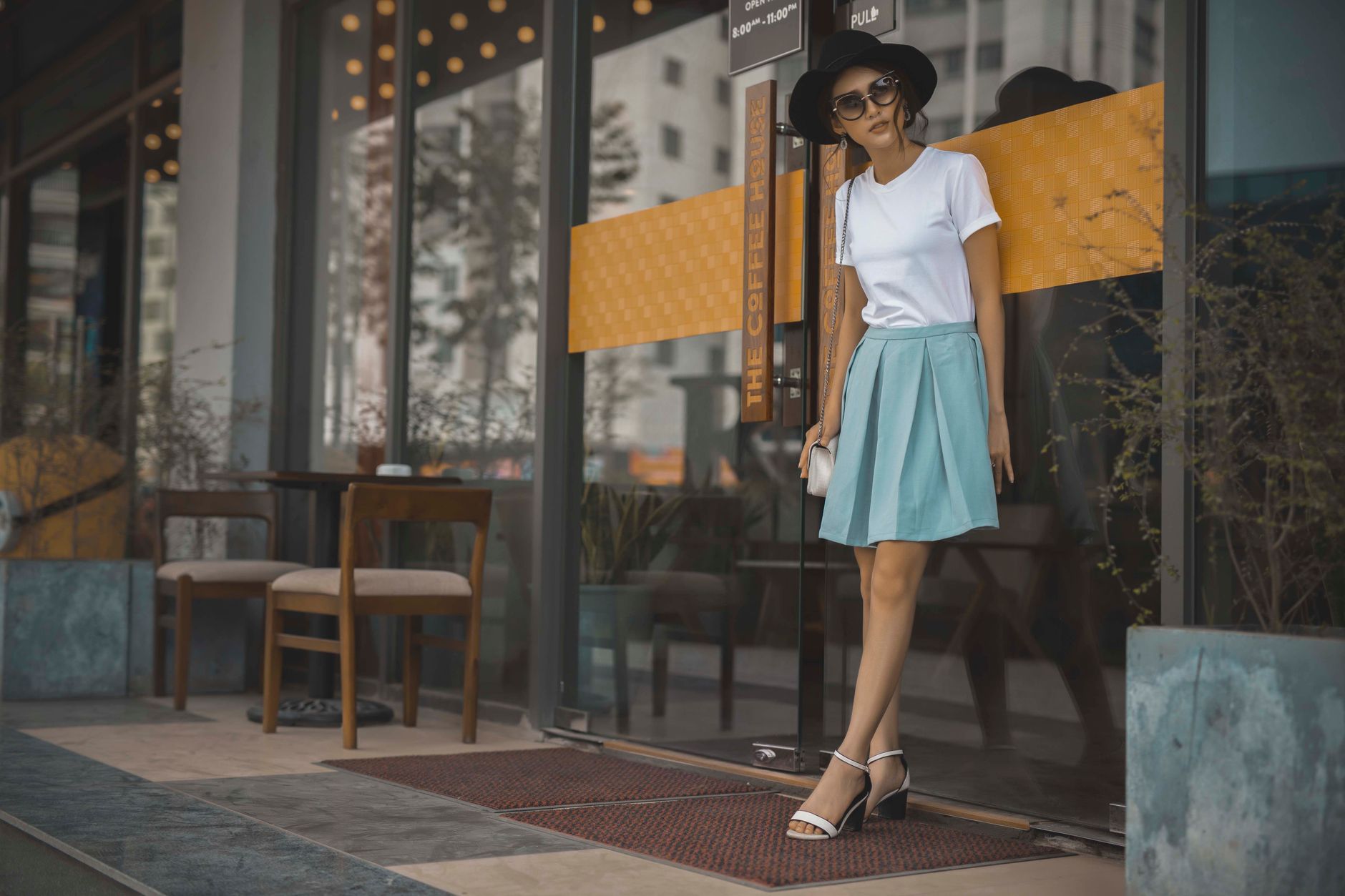
Choosing the right outfit and determining how you look can greatly impact your confidence and how others perceive you. Whether you’re dressing for work, a casual outing, a formal event, or even a stay-at-home day, understanding your style helps you express yourself effectively. In this guide, we will provide step-by-step instructions, practical tips, and outfit examples to help you feel fabulous every day.
Getting dressed should be an enjoyable experience, not a daunting task. By mastering outfit composition, color coordination, and fit, you can create looks that make you feel great. Let’s explore various styling strategies, wardrobe essentials, and practical insights to help you navigate your clothing choices with confidence.
How Do I Look?
To look your best, start with understanding what works for you. Consider your body shape, personal style, and the occasion. Pay attention to fit, color, and accessories. Creating a cohesive look with these elements will enhance your overall appearance.
Understanding Your Body Shape
Your body shape is crucial when it comes to determining what styles look best on you. Here are a few common body shapes and tips on how to dress for each:
- Apple: Focus on drawing attention to your legs and neckline. Opt for A-line dresses and empire waist tops.
- Pear: Highlight your waist and upper body with fitted tops and embellishments while choosing darker, simpler pieces for the bottom.
- Hourglass: Emphasize your curves with fitted clothing, belts to cinch the waist, and structured pieces.
- Rectangle: Create the illusion of curves with peplum tops, ruffled blouses, and layered clothing.
Defining Your Personal Style
Your personal style is an expression of your individuality. To find your style, consider these steps:
- Identify your inspiration by browsing fashion magazines, websites, or social media.
- Create a mood board or save images of outfits you love.
- Analyze the common themes in your selected styles, such as color palette, silhouettes, or patterns.
- Experiment by trying out different combinations and see what feels the most ‘you.’
Wardrobe Essentials
A well-rounded wardrobe begins with a set of versatile essentials that can be mixed and matched. Here’s a list of foundational pieces to consider:
- Classic White Shirt: A timeless staple that can be dressed up or down.
- Tailored Blazer: Adds polish to any outfit and can work for both casual and formal settings.
- Pencil Skirt: Great for professional attire or can be dressed down with a casual top.
- Dark Denim Jeans: Versatile enough for different occasions when paired correctly.
- Little Black Dress (LBD): A go-to for formal occasions, easily accessorized.
- Comfortable Flats and Heels: A mix is important for versatility.
Capsule Wardrobe Essentials
Building a capsule wardrobe is a great way to maximize your outfits while minimizing clutter. Here’s how to create one:
- Select a color palette that complements your personal style.
- Choose 10 to 15 versatile pieces including tops, bottoms, and layers.
- Incorporate accessories that can add flair without taking up much space.
- Plan outfits based on versatile combinations to bring life to your capsule.
Color Coordination
The colors you wear can greatly impact how you look and feel. Here are some tips for choosing color combinations:
- Use the color wheel to find complementary or analogous color schemes.
- Consider your skin tone; warm undertones pair well with earthy colors, while cool undertones look great in jewel tones.
- Balance bold colors with neutrals for a grounded look.
Layering and Seasonal Dressing
Layering not only adds dimension to your outfit but also makes it adaptable to changing temperatures. Here are key layering tips:
- Start with a fitted base layer; this helps maintain a clean silhouette.
- Add a mid-layer such as a light sweater or cardigan for warmth.
- Finish with an outer layer such as a coat or jacket.
For seasonal dressing, consider the following:
- Spring: Light jackets and layers with breathable fabrics.
- Summer: Strive for lightweight materials and loose-fitting pieces.
- Fall: Incorporate rich colors and textures; transitional pieces are key.
- Winter: Invest in warm, structured coats and accessories like scarves and hats.
Dressing for Occasions
Understanding dress codes is essential for dressing appropriately for various occasions. Here’s a breakdown:
- Casual: Think comfortable and relaxed; jeans, simple tees, or casual dresses work well.
- Business Casual: Combine professionalism and comfort; tailored trousers, blouses, and blazers are ideal.
- Formal: Wear evening dresses or tuxedos; focus on polished looks and appropriate footwear.
- Occasion Dressing: For weddings or events, consider the couple’s theme or the event’s formality and dress accordingly—not too flashy unless requested.
Modest Fashion Tips
Finding ways to express your individuality while adhering to modesty can be a balance. Consider these styling tips:
- Opt for maxi dresses or long skirts that offer coverage yet remain stylish.
- Choose long-sleeve tops and layering options like cardigans.
- Play with colors and patterns to create visually interesting outfits.
Expressing Gender-Inclusive Style
Fashion is a form of self-expression, and gender-inclusive style allows everyone the freedom to experiment. Keep these considerations in mind:
- Choose silhouettes that resonate with you regardless of gender norms.
- Accessorize to top off outfits, like layered jewelry or statement bags.
- Mix traditionally masculine and feminine pieces for a balanced look.
Footwear Fundamentals
The right footwear can transform an ensemble. Consider the function and fashion of your shoes:
- Casual Shoes: Sneakers or loafers pair well with everyday outfits.
- Formal Footwear: Opt for polished shoes that align with your business attire.
- Seasonal Options: Boots in fall/winter and sandals in spring/summer complete outfits nicely.
Accessorizing Effectively
Accessories can elevate your look and add personal flair. Here’s how to choose and incorporate them:
- Start with one statement piece, like oversized earrings or a bold scarf.
- Keep bracelets and necklaces layered but balanced—don’t overdo it.
- Consider functional accessories such as bags that enhance usability and style.
Understanding Fabrics
The fabric of your clothing influences not only the look but also the comfort of your outfit. Here are some common fabrics and their properties:
| Fabric | Properties |
|---|---|
| Cotton | Breathable, versatile, easy to care for |
| Wool | Warm, insulating, ideal for winter wear |
| Polyester | Durable, wrinkle-resistant, commonly blended with other fabrics |
| Silk | Luxurious, soft, drapes beautifully but can be delicate |
Garment Care Essentials
Proper care extends the life of your wardrobe. Here’s how to maintain your garments:
- Always check care labels for optimal washing methods.
- Fold heavy sweaters to avoid stretching; hang lighter fabrics.
- For delicate fabrics, consider professional cleaning when in doubt.
- Store seasonal items properly with care to protect against wear.
Shopping Wisely
Smart shopping can enhance your wardrobe without overspending. Here are some tips:
- Make a list based on your wardrobe essentials to prevent impulse buys.
- Look for sales but prioritize quality over trendy pieces.
- Consider thrifting as a way to find unique items affordably.
Common Styling Difficulties
Many face challenges when styling outfits. Here are solutions to common problems:
- If an item feels restrictive, aim for looser fits or size up cautiously.
- Overwhelmed by options? Start with two to three colors in your outfit and build around that.
- Unsure about layering? Choose different textures for added dimension; for instance, pair a knitted sweater with a silk blouse.
Examples of Stylish Outfit Combinations
Here are some outfit examples for various occasions:
Casual Look
- White t-shirt
- High-waisted light denim jeans
- Canvas sneakers
- Crossbody bag
Business Casual Look
- Pale blue button-up shirt
- Tailored black trousers
- Block-heeled ankle boots
- Structured tote bag
Evening Out
- Little black dress
- Strappy heels
- Statement earrings
- Clutch bag
Weekend Getaway
- Patterned sundress
- Flat sandals
- Wide-brim hat
- Light cardigan for cooler evenings
With the right understanding of your body shape, personal style, and the essentials in your wardrobe, you can create stylish looks for any occasion. Focus on fit, color, and fabric to enhance your overall effect. Remember that confidence is key to how you look—wear what inspires you and reflects your personality.
If you’re looking for outfit ideas, explore how to style oversized shirts or wide-leg pants to expand your wardrobe versatility. Follow the links to these practical style guides for more inspiration.