
Fashion is a vast landscape where everyone seeks inspiration, information, and styling advice to express their individuality. When it comes to finding authoritative sources on current trends, outfit ideas, and fabric tips, many people wonder about specific websites. A common query might be, “Does Only.Com Have A Blog?” Armed with the right information, you can navigate the world of fashion more confidently.
This article will explore whether Only.Com features a blog, delve into its possible uses, and provide a comprehensive style guide to assist you in refining your fashion sense. From outfit combinations and wardrobe essentials to care tips for your favorite fabrics, this guide is tailored to help you embrace your unique style.
Does Only.Com Have A Blog?
Only.Com does not currently have a dedicated blog. However, there are various other resources like brand websites, fashion magazines, and social media platforms where you can find valuable fashion insights and tips. To enhance your wardrobe and personal style, you can turn to these alternative outlets for inspiration.
The Importance of a Fashion Blog
Fashion blogs serve as both inspiration and education in the ever-evolving world of style. They can provide:
- Outfit ideas for different occasions
- Styling tips for various body types
- Advice on fabric choices and care
- Updates on fashion trends
- Insights into seasonal transitions
Even without a blog on Only.Com, you can transform your wardrobe and nurture your personal style with the right resources at hand.
Exploring Outfit Ideas
If you’re seeking fresh outfit inspiration, consider the following elements:
1. Occasional Dressing
Understanding the appropriate attire can simplify your outfit selection process. Here are some common occasions and how you can dress for them:
- Casual Outings: Pair a plain white tee with high-waisted denim and ankle boots for a laid-back look. Add a denim jacket for cooler evenings.
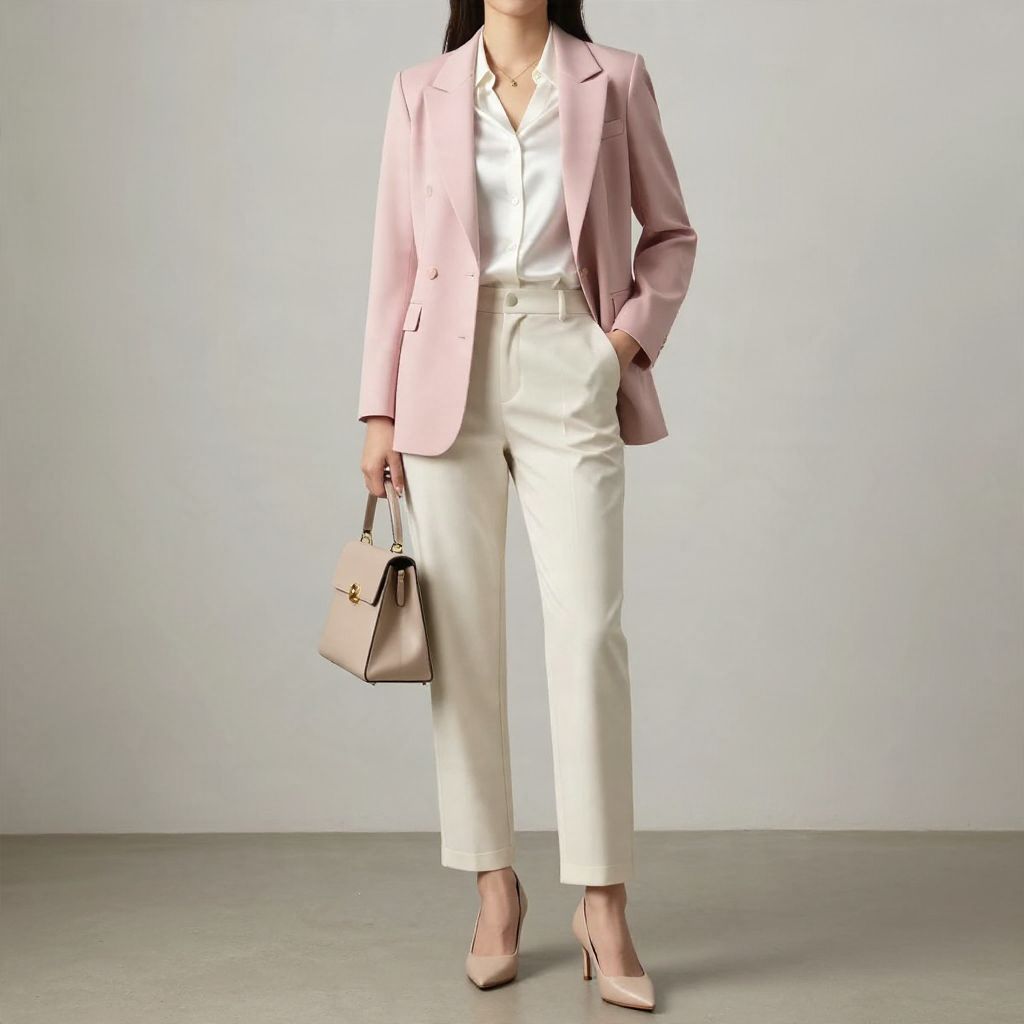
- Workwear: Opt for tailored trousers, a blouse, and a blazer. Block-heeled pumps can elevate the look while keeping it professional.
- Formal Events: Choose a classic midi dress in a solid color. Accessorize with statement jewelry and simple heels for a polished appearance.
- Weekend Brunch: A flowy maxi dress and flat sandals create a breezy yet chic outfit. Layer with a lightweight cardigan if needed.
2. Seasonal Dressing
Adjusting your wardrobe according to the seasons is essential for comfort and style. Here are some ideas:
- Spring: Embrace pastel colors and floral prints. Light fabric layers like denim jackets or cardigans can be perfect for unpredictable weather.
- Summer: Opt for breathable fabrics such as cotton and linen. Think sundresses or shorts paired with tank tops. Sandals or espadrilles work well for footwear.
- Autumn: Layering is key. Try turtlenecks under dresses or over a t-shirt with a denim jacket. Knee-high boots add a trendy touch.
- Winter: Cozy knitwear, puffer jackets, and warm scarves are essential. Go for classic jeans or tailored trousers paired with ankle boots.
3. Gender-Inclusive Style
Fashion knows no boundaries, and choosing an outfit that resonates with your style preference is crucial. Here are some suggestions:
- Androgynous Style: Try a fitted blazer and trousers paired with a turtleneck. Sneakers can add a laid-back element.
- Feminine Touch: A structured dress can be combined with combat boots for an unexpected twist. Layer with oversized outerwear for balance.
- Masculine Edge: A tailored shirt with relaxed-fit jeans topped with a trench coat can create a chic look. Complete with loafers for sophistication.
Wardrobe Essentials
Curating a collection of wardrobe essentials is key to effortless dressing. Here are some foundational pieces every closet should have:
- Classic White Shirt: Versatile for both casual and formal events.
- Tailored Blazer: Instantly elevates any outfit.
- Dark Denim Jeans: A reliable go-to for almost any occasion.
- Little Black Dress: Perfect for cocktail parties or formal events.
- Knit Sweater: Ideal for layering in colder months.
- Neutral Ankle Boots: Works well with both jeans and dresses.
Building a Capsule Wardrobe
A capsule wardrobe is a curated collection of clothing that combines versatility and personal style. Here’s how to build your own:
- Choose a cohesive color palette. Stick to three to five core colors that complement each other.
- Include versatile and timeless pieces. Think classic jeans, tailored trousers, basic tees, and layering items.
- Limit the number of items. Aim for around 30 to 40 garments that you can mix and match effortlessly.
- Add seasonal items as needed but keep the foundation strong.
- Evaluate and refresh your capsule seasonally to stay in tune with your evolving style.
Mastering Color Coordination
Color plays a vital role in fashion, impacting your overall look and feel. Understanding how to coordinate colors can significantly enhance your outfits.
1. The Color Wheel
Familiarize yourself with the color wheel to identify complementary and analogous colors. This knowledge can help you create visually appealing combinations.
2. Monochromatic Looks
Wearing different shades of the same color can create a sophisticated, streamlined look. For example, a light blue shirt paired with navy trousers offers a polished vibe.
3. Contrasting Colors
Pairing opposite colors can make a statement. Think deep red with teal or yellow with purple for an eye-catching outfit.
Layering Techniques
Mastering the art of layering is essential for versatile dressing, especially in transitional weather. Here are some practical tips:
- Start with a fitted base layer (like a t-shirt or tank top) to avoid bulk.
- Add a mid-layer (such as a sweater or cardigan) for warmth and style.
- Top it off with an outer layer (e.g., a coat or jacket) for protection and flair.
- Incorporate scarves or vests for added interest and texture.
Accessorizing Like a Pro
Accessories are the finishing touches that can elevate any outfit. Here’s how to choose wisely:
1. Footwear
Your choice of shoes can make or break an outfit. Ensure they suit the occasion:
- Casual: Sneakers or flats for comfort.
- Work: Closed-toe heels or polished loafers.
- Formal: Strappy heels or classic pumps.
2. Jewelry
Select pieces that complement your outfit without overwhelming it. Aim for balance; if your outfit is busy, choose simpler accessories and vice versa.
3. Bags
Investing in quality bags in different styles—handbags for daily use, clutches for events, and tote bags for work—can improve your overall look.
Caring for Your Garments
Taking care of your clothes prolongs their life and maintains their appearance. Here are some essential garment care tips:
- Read Care Labels: Follow the manufacturer’s instructions on washing, drying, and ironing to avoid damage.
- Store Properly: Use padded hangers for delicate items and fold heavy knitwear to maintain their shape.
- Spot Clean: Address stains quickly to avoid long-term marks on your fabrics.
- Rotate Your Wardrobe: Regularly switch out the clothes in your closet to prevent excessive wear on your favorite pieces.
- Consider Professional Care: For delicate fabrics or significant stains, seeking professional cleaning may be beneficial.
Understanding Fabrics
The fabric of your clothing influences comfort, fit, and care requirements. Here’s a primer on common fabric types:
| Fabric | Characteristics | Best Use |
|---|---|---|
| Cotton | Soft, breathable, versatile | Casual wear, t-shirts |
| Wool | Warm, durable, insulating | Outerwear, winter garments |
| Silk | Luxurious, delicate, drapes well | Formal dresses, blouses |
| Denim | Sturdy, durable, often casual | Jeans, jackets |
| Polyester | Resistant to wrinkling, blends well | Sportswear, easy-care garments |
The Evolution of Fashion
Understanding the history of fashion can enhance your appreciation for current styles. Major influences include:
- Historical Context: Fashion has often mirrored societal changes, with styles reflecting cultural, political, and economic shifts.
- Iconic Designers: From Coco Chanel to Alexander McQueen, designers have shaped trends that resonate through generations.
- Street Style: The rise of streetwear has bridged the gap between high fashion and everyday wear, making style more accessible.
Shopping Mindfully
Being a conscious shopper can make a significant difference in your wardrobe. Consider the following when making purchases:
- Assess Your Needs: Before shopping, evaluate what you truly need versus what you want.
- Quality Over Quantity: Invest in fewer, high-quality pieces instead of numerous low-quality items.
- Try Before You Buy: Whenever possible, try on garments to ensure the right fit and comfort.
- Research Brands: Familiarize yourself with different brands to find those that align with your values regarding sustainability and ethical production.
While Only.Com may not have a blog, there’s no shortage of resources available to enhance your fashion knowledge and style. By understanding the essentials of outfit inspiration, seasonal dressing, fabric care, and purchase mindfulness, you can cultivate a wardrobe that truly reflects your personality.
Start by experimenting with outfit combinations, checking the fit of existing pieces, or planning a wardrobe edit to make the most of your selections. For more tips, explore our detailed guides on how to style linen pants and how to style a polo shirt for versatile looks.