
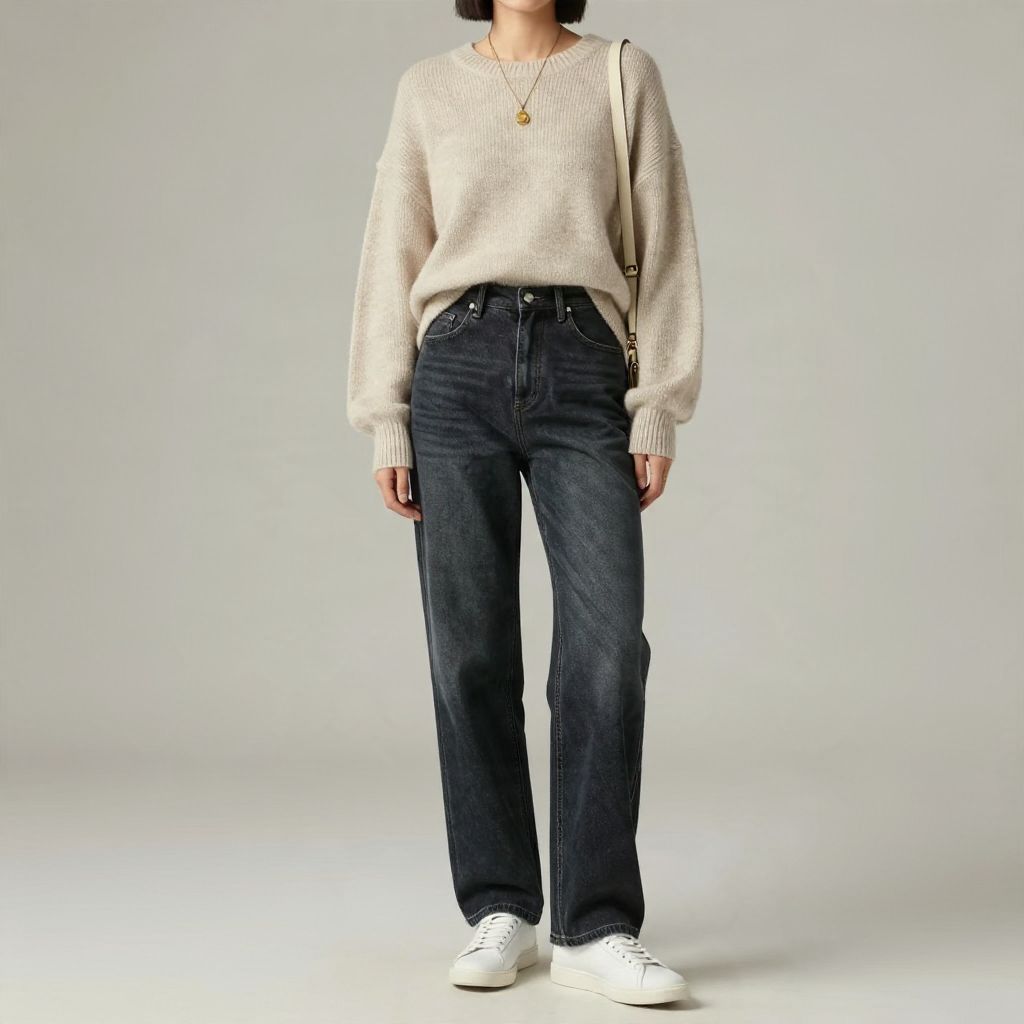
When it comes to exploring fashion, it’s essential to know where to find reliable sources of information. One question that many fashion enthusiasts may ponder is whether Only.com has a blog. Understanding the resources available helps you stay informed about trends, style tips, and outfit inspirations.
This article addresses the subject while offering a practical style guide that can help you navigate your wardrobe or refine your personal style. We’ll delve into the meaning, uses, and offer some essential advice to enhance your fashion knowledge.
Does Only.Com Have A Blog?
No, Only.com does not have a blog. However, it provides various resources to assist customers in selecting clothing and understanding current fashion trends. While you may not find an official blog on their site, you can explore helpful guides, styling tips, and outfit recommendations related to their collections.
Understanding the Role of Blogs in Fashion
Fashion blogs have become pivotal for sharing style tips, showcasing new trends, and inspiring readers with creative outfit ideas. Many brands maintain blogs to connect with customers and provide practical advice on how to wear their products.
Even in the absence of an official blog, leveraging external fashion blogs or brand guides can give you various perspectives on how to dress and enhance your wardrobe.
Effective Styling Tips for Fashion Enthusiasts
Even without a specific blog to refer to from Only.com, you can apply timeless fashion principles using various resources available online. These principles can improve your understanding of proportions, colors, and styles that suit different occasions.
Outfit Combinations for Various Occasions
When planning your wardrobe, consider creating outfits that cater to a variety of occasions. Here are some ideas:
- Casual Day Out: Pair high-waisted jeans with an oversized graphic tee and white sneakers for a relaxed look. Add a denim jacket for cooler temperatures.
- Office-Ready: Choose tailored trousers, a fitted blouse, and loafers. A structured blazer can add a polished finish.
- Evening Event: A little black dress is always a go-to option. Pair it with ankle boots and statement jewelry for a touch of glam.
- Weekend Brunch: Combine a flowy midi skirt with a tucked-in knit sweater and ankle boots for an effortlessly chic outfit.
Understanding Fit, Proportions, and Silhouettes
Fit is crucial for creating an appealing outfit. Selecting clothing that complements your body type enhances confidence and style. Here are some insights on fit and proportion:
- For pear-shaped bodies, opt for A-line skirts that skim over the hips and blouses that accentuate slim shoulders.
- Apple body shapes benefit from structured dresses that cinch at the waist, highlighting curves without clinging to the midsection.
- If you’re petite, avoid overwhelming silhouettes. Instead, try high-waisted trousers and fitted tops for a streamlined look.
- Plus-size individuals can create balance with tailored pieces that highlight curves without adding bulk.
Color Coordination and Capsule Wardrobes
A cohesive color palette makes coordinating outfits simpler. When you have a selection of versatile pieces, it allows easier mixing and matching. Here are some guidelines:
Choosing a Color Palette
Select a base color, such as navy, black, or beige, then incorporate accent colors that complement your wardrobe. Consider adding three to five colors that can mix well together, allowing flexibility while ensuring outfits remain stylish and dynamic.
Building a Capsule Wardrobe
A capsule wardrobe is a curated collection of essential pieces that you can easily combine. Aim for a set of about 20-30 items. Here are some key components:
- Basic Tops: Include t-shirts, blouses, and tank tops in neutral colors.
- Bottoms: Tailored trousers, jeans, and a classic pencil skirt for versatility.
- Dresses: Select one or two dresses that can be dressed up or down based on accessories.
- Outerwear: A tailored blazer and a denim jacket should suffice for layering.
- Shoes: Aim for a pair of sneakers, ankle boots, and a dressy pair.
Seasonal Dressing and Layering Techniques
Adapting your outfits for different seasons not only keeps you comfortable but can also enhance your style. Here’s how to dress for various climates:
Warm Weather Dressing
In warmer months, prioritize breathable fabrics such as cotton, linen, or lightweight blends. Loose fits allow air circulation, preventing discomfort. Here are some look ideas:
- Floaty maxi dresses for effortless style
- Chino shorts paired with lightweight button-down shirts
- Playful jumpsuits that can easily transition from day to night
Layering for Cool Weather
Layering adds depth to your outfits and is essential for transitional weather. Here’s how to achieve effective layering:
- Start with a fitted base layer, such as a turtleneck or fitted tee.
- Add texture with a chunky-knit sweater or cardigan.
- Finish with a structured coat and accessorize with scarves or hats to add warmth and style.
Footwear and Accessories: The Finishing Touches
Footwear and accessories are crucial in completing any outfit. Thoughtfully chosen pieces can elevate your look and express your personal style.
Choosing Footwear Wisely
Selecting the right shoes is vital for comfort and style. Consider these options:
- Sneakers: Great for casual looks and provide comfort.
- Boots: Ankle and knee-high boots can transition from casual to formal.
- Flats and Loafers: Provide a chic option that’s comfortable for office wear.
- Heels: Opt for block heels for steady wear during social events.
Accessorizing with Purpose
Accessories can transform an outfit. Evaluate these components:
- Jewelry: Statement earrings or layered necklaces can add a personal touch.
- Bags: Choose versatile bags that complement multiple outfits, such as crossbody bags or tote bags.
- Hats: Perfect for adding flair while providing sun protection.
Caring for Your Garments
To maintain your wardrobe in prime condition, understanding fabric care is essential. Here are general care tips for various types of fabrics:
Cotton and Linens
- Machine wash in cold water to prevent shrinking.
- Air dry flat or tumble dry on low heat to maintain softness.
- Iron on a medium setting for a crisp finish.
Wool and Cashmere
- Hand wash or dry clean; avoid machine washing as it can cause felting.
- Lay flat to dry to maintain shape and softness.
- Store wool items folded to prevent stretching.
Silk and Synthetics
- Machine wash on a gentle cycle or hand wash in cold water.
- Do not wring; instead, roll in a towel to remove excess water.
- Dry away from direct sunlight to prevent fading.
Conclusion: Curating Your Unique Style
Exploring fashion may seem overwhelming, but by understanding the principles of fit, color, and layering, you can express your unique style effectively. Utilize the tips and principles outlined here to create fabulous outfits suited to any occasion, no matter the season. Consider embarking on a wardrobe edit and streamline your closet for more cohesive fashion choices.
To further enhance your styling knowledge, explore guides on how to style linen pants or discover how to incorporate sage green into your outfits.