
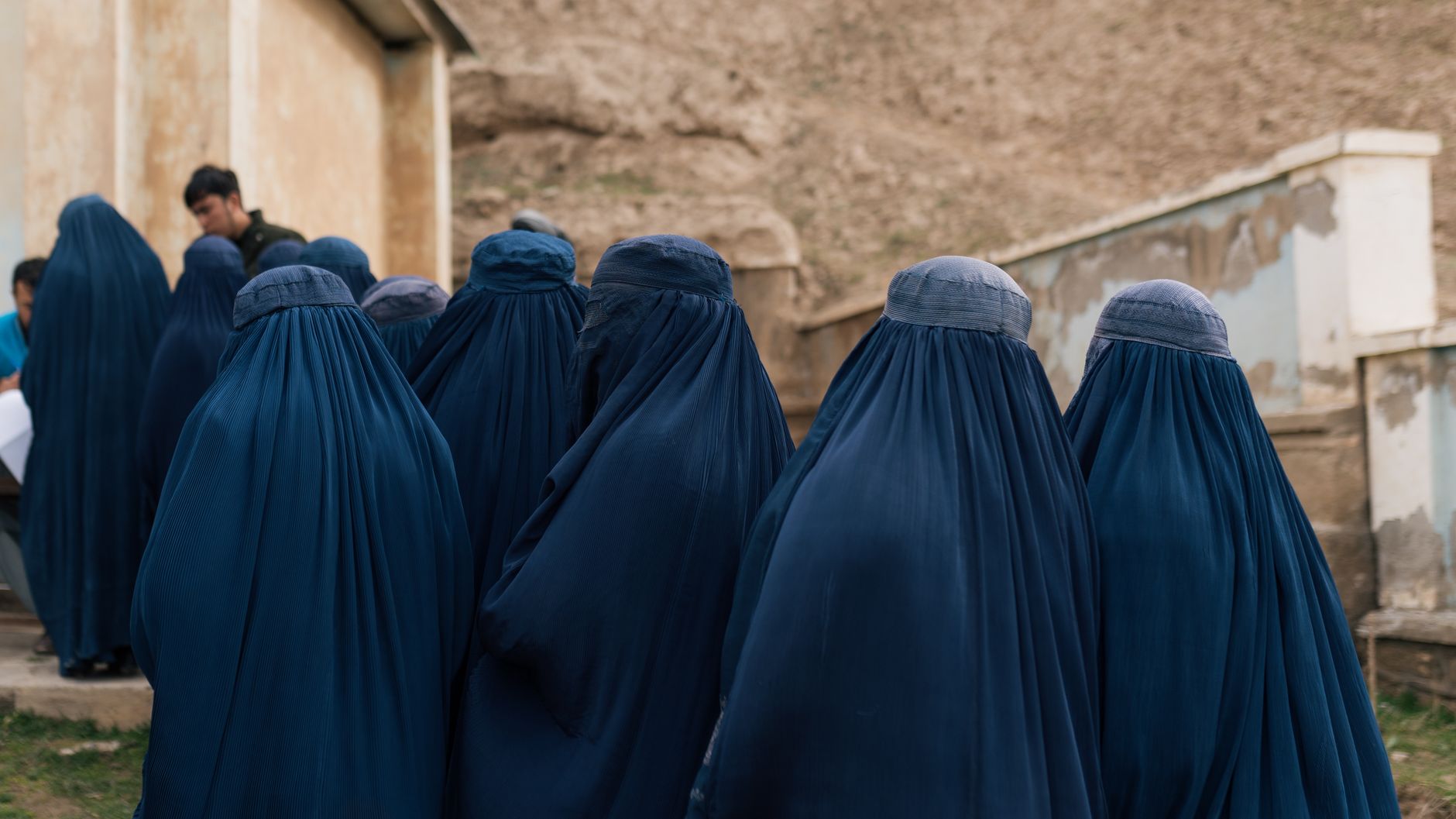
Fashion in Afghanistan is as diverse as its rich cultural tapestry, blending traditional garments with modern sensibilities. Understanding Afghan fashion not only allows individuals to appreciate its beauty but also to find inspiration for their own style. This guide will explore the meaning, uses, and unique features of Afghan fashion while providing valuable tips for incorporating these ideas into your wardrobe.
From colorful embroidery to versatile silhouettes, Afghan fashion encapsulates a narrative of heritage and contemporary identity. Whether you are looking to adopt bits of this style into your personal closet or simply want to learn more about its elements, this article is your comprehensive resource.
Which Fashion Afghanistan?
Afghan fashion comprises traditional clothing and modern interpretations that reflect the country’s cultural heritage. Key elements include vibrant colors, intricate embroidery, and traditional cuts, which narrate stories of ethnicity, regional distinctions, and craftsmanship. Afghan fashion serves various purposes, from formal occasions to everyday wear, resonating deeply with those who embrace its unique style elements.
The Elements of Afghan Fashion
Understanding the components of Afghan fashion can help you appreciate its nuances. Below are some essential elements that define this style:
- Color: Afghan fashion is noted for its vibrant color palette, often featuring earthy tones combined with bright shades of blue, red, green, and yellow. These colors are not just aesthetically pleasing; they are often reflective of cultural significance and symbolism.
- Embroidery: Intricate embroidery is a hallmark of Afghan clothing, with each piece often showcasing elaborate floral patterns or geometric designs. This craft is a sign of identity and pride, often passed down through generations.
- Silhouettes: Afghan garments often feature loose, comfortable silhouettes that allow for ease of movement. Common styles include the long tunic, known as a kameez, often paired with loose trousers called shalwar.
- Fabrics: Silk, cotton, and wool are typically used in Afghan clothing. The choices in fabrics often depend on the climate and occasion, with heavier materials being more prevalent in colder regions.
- Accessories: Accessories play a crucial role in completing Afghan outfits. Colorful shawls, intricate jewelry, and handwoven bags often complement traditional attire.
Traditional Garments
Afghanistan boasts a variety of traditional garments that offer a glimpse into its culture and identity. Here are a few key pieces to consider:
1. Kameez and Shalwar
The kameez is a long tunic typically worn with shalwar, a type of loose-fitting trousers. This combination is comfortable and versatile, suitable for both formal occasions and casual wear. Choose a kameez with beautiful embroidery for special events, or opt for simpler designs for everyday outfits.
2. Chador
The chador is a traditional shawl-like garment worn by women, usually draped over the shoulders. It comes in various fabrics, from lightweight cotton to heavier ones for colder weather. It can be styled in multiple ways to add a layer of elegance and modesty to the outfit.
3. Perahan Tunban
The perahan tunban is the traditional dress worn by Afghan men, consisting of a long shirt paired with trousers. The outfit is often embellished with embroidery and can be paired with a waistcoat for a polished look for special occasions like weddings.
Incorporating Afghan Fashion into Your Wardrobe
Embracing Afghan fashion doesn’t mean overhauling your entire wardrobe. Here are practical ways to incorporate these styles into your everyday outfits:
Outfit Combinations
Mixing traditional Afghan elements with modern pieces can create a unique and stylish look. Here are specific outfit ideas to inspire you:
- Casual Day Look: Pair a simple white kameez with denim jeans and colorful loafers. Add a shawl with traditional embroidery for added flair.
- Workwear Ensemble: Opt for a tailored blazer over a long-kameez paired with tapered trousers. Complete the look with elegant flats and minimalistic jewelry.
- Formal Event Outfit: Choose a long embroidered kameez with matching shalwar and finish with embroidered heels and bold statement earrings.
- Weekend Outing Look: Combine a loose-fitting cotton perahan with relaxed-fit trousers, accessorized with a beaded necklace and slip-on sandals.
Layering Techniques
Layering can transform an outfit while adding style and warmth. Here are some layering tips:
- Layer a long cardigan over a dress to create an elegant silhouette, especially in cooler months.
- Pair a fitted turtleneck under a loose kameez to add warmth without compromising style.
- Combine a tailored blazer with a flowing tunic and palazzo pants for a chic, put-together look.
Color Coordination
Color plays a critical role in Afghan fashion, and knowing how to coordinate these hues can elevate your look. Here are some tips:
- Choose a base color such as navy or beige, then layer brighter colors through accessories or additional garments.
- Opt for contrasting colors to make an eye-catching outfit. If you’re wearing a vividly colored kameez, consider neutral pants or skirts.
- For a cohesive look, select pieces in the same color family, varying the shades for depth and interest.
Seasonal Dressing with Afghan Fashion
Your wardrobe can adapt to seasonal changes while reflecting Afghan style elements. Here’s how:
Spring/Summer
- Lightweight cotton and silk pieces are ideal. Opt for short-sleeved kameez paired with shalwar.
- Bright, floral prints and vivid colors resonate well with the season. Consider flowy fabrics that allow breathability.
Fall/Winter
- Layering is key. Choose heavier fabrics like wool for your kameez and pair with warm leggings or fitted trousers.
- Incorporate rich jewel tones such as emerald green or deep burgundy to align with the seasonal palette.
- Accessories like knitted shawls or pashminas can add warmth while maintaining a stylish look.
Workwear Inspirations
For those looking to adopt Afghan fashion in a professional setting, try these combinations:
- Pair a tailored black blazer with a long embroidered kameez and fitted trousers for formal business meetings.
- Incorporate light fabric shirts into your office attire. A long kameez under a structured vest can give a professional yet comfortable look.
Casual Wear
Casual fashion should be both comfortable and stylish. Consider these outfits:
- Summer shorts paired with a colorful embroidered tunic and sandals create a relaxed yet classy ensemble.
- For cool evenings, opt for denim jeans with a long-sleeved tunic and ankle boots.
Footwear and Accessories
Footwear and accessories complete any outfit. Here’s what to consider:
Footwear
- Traditional lahaf (sandals) are comfortable and provide a cultural flair. They work well with most casual outfits.
- For formal occasions, opt for embellished pumps or flats to add elegance to your attire.
Accessories
- Elaborate jewelry with intricate designs, such as earrings and necklaces, enhances the overall aesthetic of any Afghan outfit.
- Traditional handbags or embroidered clutches bring a unique touch, making perfect companions for both casual and formal looks.
Fabric Care
Understanding fabric care is crucial in maintaining your garments. Follow these general tips:
- Check the care label: Always refer to the instructions provided on the garment’s care label first.
- Washing: For most cotton pieces, machine wash in cold water; silk may require hand washing to maintain the fabric’s integrity.
- Drying: Avoid high heat when drying; instead, air drying helps prevent damage.
- Ironing: Use the appropriate heat setting based on the fabric. For silk, opt for low heat and consider using a cloth over the fabric.
Shopping Tips for Afghan Fashion
Finding authentic Afghan fashion can be an exciting endeavor. Here are some tips to guide your shopping experience:
- Look for local artisans or stores dedicated to traditional Afghan garments to find unique pieces.
- Check online platforms that specialize in ethnic wear, ensuring they have a good reputation for quality.
- Consider the craftsmanship and fabric quality; investing in well-made items ensures longevity in your wardrobe.
The Historical Context of Afghan Fashion
Afghan fashion is rooted in its history, influenced by various ethnic groups such as Pashtuns, Tajiks, and Hazaras. Each group brings its own styles, patterns, and garment types, creating a diverse array of clothing options. Historical events and trade routes have also shaped the textiles and techniques, infusing Afghan fashion with a mix of cultural influences that are both fascinating and beautiful.
Gender-Inclusive Styles
Fashion in Afghanistan is evolving into more gender-inclusive expressions. Here are ways to embrace this in your wardrobe:
- Choose neutral silhouettes that can be worn across genders, such as tunics and palazzo pants.
- Incorporate unisex footwear styles like sneakers or sandals to complete a versatile look.
- Experiment with accessories that break traditional norms, like mixing textiles and styles.
Modest Fashion Trends
Modest fashion embraces various styles while aligning with principles of modesty. Consider these tips to achieve a modest yet fashionable look:
- Opt for longer hemlines and looser fits that provide comfort without sacrificing style.
- Layer with light jackets or cardigans over a fitted top and trousers for a chic layering effect.
- Play with textures and patterns to add visual interest while maintaining a modest silhouette.
Incorporating elements of Afghan fashion into your wardrobe not only enhances your personal style but also pays homage to a rich cultural heritage of diversity and craftsmanship. Whether you are dressing for casual outings, work, or formal occasions, Afghan fashion offers endless opportunities for creative expression.
Explore related outfit ideas, styling tips, or fashion guides to refine your sense of style. Learn more about traditional Indian design or consider what “camp” means in fashion to deepen your fashion understanding.